

amino enantiomers [19, 20]. In another case, the graphene-β-cyclodextrin-nanocomposite-modified carbon paste electrode (GNS-β-CD-CPE) was developed to detect
moxifloxacin hydrochloride (MOX) enantiomers by adsorptive stripping differential
pulse voltammetric (AdSDPV) technique [23]. In very recent works, self-assemblies
of Cu
2+
-modified β-cyclodextrin on poly-L-arginine/multi-walled carbon nanotubes
(Cu-β-CD/PLA/MWCNTs) [21] and three-dimensional graphene with
hydroxypropyl- β-cyclodextrin (3D-G/HP-β-CD) [12] have been constructed as the
effective sensors for chiral recognition of tryptophan (Trp) enantiomers (Fig. 3). Both
two developed sensors demonstrate excellent selectivity and applicability for the
quantification of Trp in real blood samples.
Luminescence spectrometry is another valid method to explore the molecular
recognition by CD-conjugated GNMs. Graphene has a higher quenching efficiency
compared to other quenching agents, due to its enhanced electrical conductivity and
two-dimensional planar structure, and therefore is a great energy transfer acceptor for
FRET-based luminescent sensors [24, 25]. In one example, graphene oxide was used
as a sensing platform for the detection of amantadine as demonstrated by Li et al. [24].
This probe was based on the host-guest interaction of mono-[6-(2-aminoethylamino)6-deoxy]-β-cyclodextrin (EDA-CD)-functionalized graphene oxide with amantadine
and rhodamine. In the absence of analyte, the emission of Rhodamine 6G was
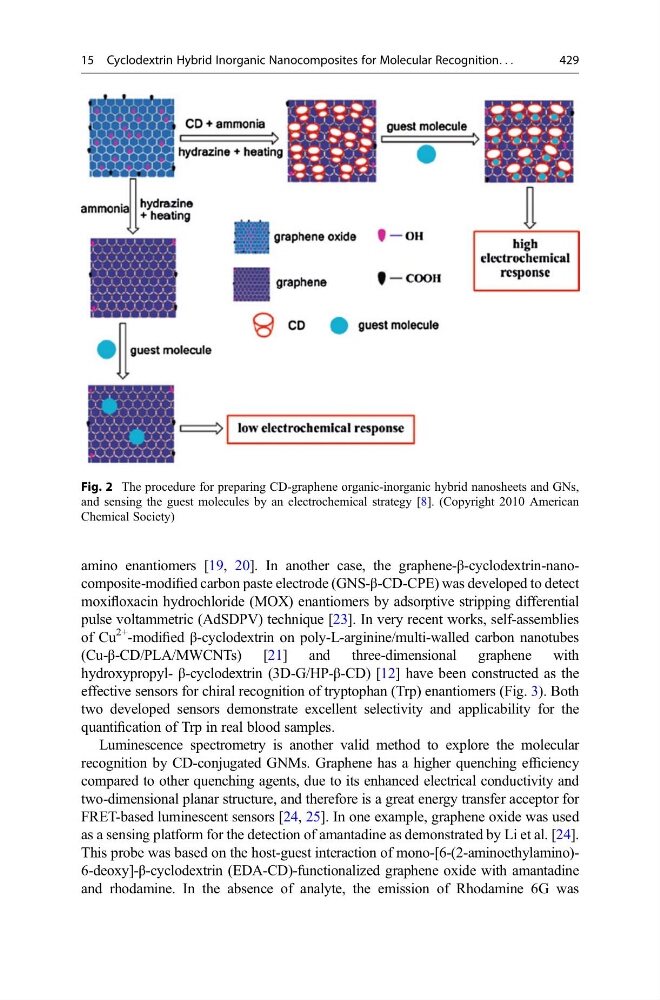
Fig. 2 The procedure for preparing CD-graphene organic-inorganic hybrid nanosheets and GNs,
and sensing the guest molecules by an electrochemical strategy [8]. (Copyright 2010 American
Chemical Society)
15 Cyclodextrin Hybrid Inorganic Nanocomposites for Molecular Recognition. . .
429
moxifloxacin hydrochloride (MOX) enantiomers by adsorptive stripping differential
pulse voltammetric (AdSDPV) technique [23]. In very recent works, self-assemblies
of Cu
2+
-modified β-cyclodextrin on poly-L-arginine/multi-walled carbon nanotubes
(Cu-β-CD/PLA/MWCNTs) [21] and three-dimensional graphene with
hydroxypropyl- β-cyclodextrin (3D-G/HP-β-CD) [12] have been constructed as the
effective sensors for chiral recognition of tryptophan (Trp) enantiomers (Fig. 3). Both
two developed sensors demonstrate excellent selectivity and applicability for the
quantification of Trp in real blood samples.
Luminescence spectrometry is another valid method to explore the molecular
recognition by CD-conjugated GNMs. Graphene has a higher quenching efficiency
compared to other quenching agents, due to its enhanced electrical conductivity and
two-dimensional planar structure, and therefore is a great energy transfer acceptor for
FRET-based luminescent sensors [24, 25]. In one example, graphene oxide was used
as a sensing platform for the detection of amantadine as demonstrated by Li et al. [24].
This probe was based on the host-guest interaction of mono-[6-(2-aminoethylamino)6-deoxy]-β-cyclodextrin (EDA-CD)-functionalized graphene oxide with amantadine
and rhodamine. In the absence of analyte, the emission of Rhodamine 6G was
Fig. 2 The procedure for preparing CD-graphene organic-inorganic hybrid nanosheets and GNs,
and sensing the guest molecules by an electrochemical strategy [8]. (Copyright 2010 American
Chemical Society)
15 Cyclodextrin Hybrid Inorganic Nanocomposites for Molecular Recognition. . .
429