

complexation based on these macrocycles could be efficiently controlled by
multi-stimuli including acid-base, redox, anion, or light stimulus in the presence
of photoacid. However, the researches on these triptycene-derived macrocyclic
hosts, especially helicarenes, are still in the infancy. Expanding new members of
helicarene family and development of their potential applications are an urgent
work in supramolecular chemistry. But we believe that the triptycene-derived
macrocyclic arenes, especially helicarenes with special structural features and
varied complexation behaviors, could become a new kind of synthetic hosts and
thus attract more and more attention in macrocyclic and also supramolecular
chemistry in the near future.
References
1. Steed JW, Atwood JL (2009) Supramolecular chemistry. Wiley, Chichester, West Sussex,
United Kingdom
2. Schrader T, Hamilton AD (2005) Functional synthetic receptors. Wiley-VCH, Weinheim
3. Gloe K (2005) Macrocyclic chemistry: current trends and future perspectives. Springer,
Dordrecht
4. Neri P, Sessler JL, Wang M-X (2016) Calixarenes and beyond. Springer, Cham
5. Chen C-F (2011) Novel triptycene-derived hosts: synthesis and their applications in supramolecular chemistry. Chem Commun 47:1674–1688
6. Chen C-F, Ma Y-X (2013) Iptycene chemistry: from synthesis to applications. Springer-Verlag,
Berlin/Heidelberg
7. Han Y, Meng Z, Ma Y-X, Chen C-F (2014) Iptycene-derived crown ether hosts for molecular
recognition and self-assembly. Acc Chem Res 47:2026–2040
8. Han Y, Lu H-Y, Zong Q-S, Guo J-B, Chen C-F (2012) Synthesis of triptycene-derived
macrotricyclic host containing two Dibenzo-[18]-crown-6 moieties and its complexation with
paraquat derivatives: Li+-ion-controlled binding and release of the guests in the complexes.
J Org Chem 77:2422–2430
9. Zhu X-Z, Chen C-F (2005) A highly efficient approach to [4]pseudocatenanes by threefold
metathesis reactions of a triptycene-based tris[2]seudorotaxane. J Am Chem Soc 127:13158–13159
OR
OR
RO
RO
OR
OR
H
+
OH
−
R = CH 2 CO 2
−
R = CH 2 CO 2 H
quaternary
phosphonium
salt
+
OR
OR
RO
RO
OR
OR
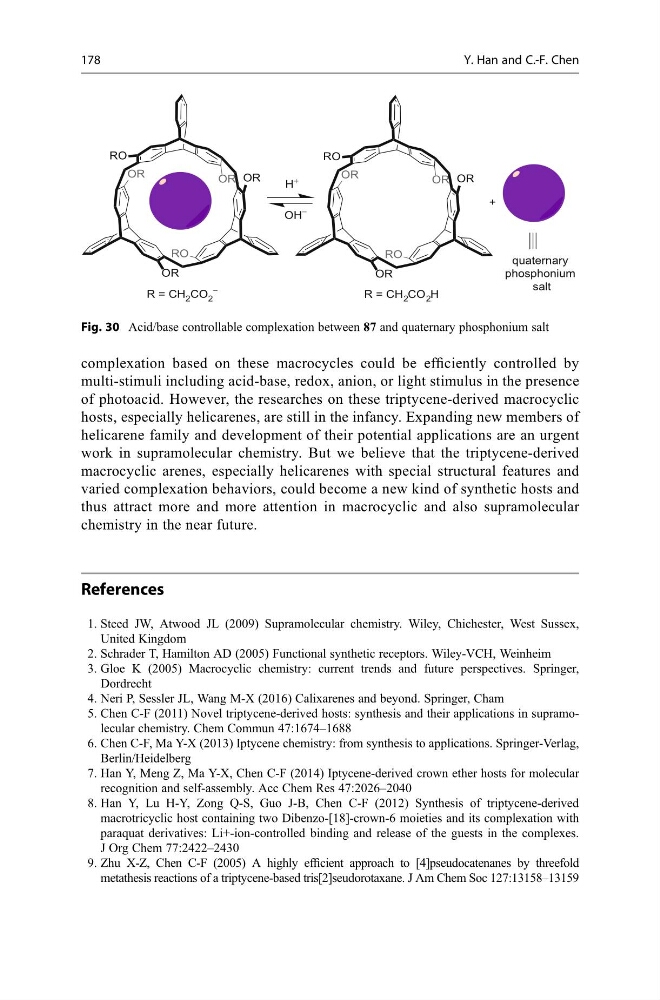
Fig. 30 Acid/base controllable complexation between 87 and quaternary phosphonium salt
178
Y. Han and C.-F. Chen
multi-stimuli including acid-base, redox, anion, or light stimulus in the presence
of photoacid. However, the researches on these triptycene-derived macrocyclic
hosts, especially helicarenes, are still in the infancy. Expanding new members of
helicarene family and development of their potential applications are an urgent
work in supramolecular chemistry. But we believe that the triptycene-derived
macrocyclic arenes, especially helicarenes with special structural features and
varied complexation behaviors, could become a new kind of synthetic hosts and
thus attract more and more attention in macrocyclic and also supramolecular
chemistry in the near future.
References
1. Steed JW, Atwood JL (2009) Supramolecular chemistry. Wiley, Chichester, West Sussex,
United Kingdom
2. Schrader T, Hamilton AD (2005) Functional synthetic receptors. Wiley-VCH, Weinheim
3. Gloe K (2005) Macrocyclic chemistry: current trends and future perspectives. Springer,
Dordrecht
4. Neri P, Sessler JL, Wang M-X (2016) Calixarenes and beyond. Springer, Cham
5. Chen C-F (2011) Novel triptycene-derived hosts: synthesis and their applications in supramolecular chemistry. Chem Commun 47:1674–1688
6. Chen C-F, Ma Y-X (2013) Iptycene chemistry: from synthesis to applications. Springer-Verlag,
Berlin/Heidelberg
7. Han Y, Meng Z, Ma Y-X, Chen C-F (2014) Iptycene-derived crown ether hosts for molecular
recognition and self-assembly. Acc Chem Res 47:2026–2040
8. Han Y, Lu H-Y, Zong Q-S, Guo J-B, Chen C-F (2012) Synthesis of triptycene-derived
macrotricyclic host containing two Dibenzo-[18]-crown-6 moieties and its complexation with
paraquat derivatives: Li+-ion-controlled binding and release of the guests in the complexes.
J Org Chem 77:2422–2430
9. Zhu X-Z, Chen C-F (2005) A highly efficient approach to [4]pseudocatenanes by threefold
metathesis reactions of a triptycene-based tris[2]seudorotaxane. J Am Chem Soc 127:13158–13159
OR
OR
RO
RO
OR
OR
H
+
OH
−
R = CH 2 CO 2
−
R = CH 2 CO 2 H
quaternary
phosphonium
salt
+
OR
OR
RO
RO
OR
OR
Fig. 30 Acid/base controllable complexation between 87 and quaternary phosphonium salt
178
Y. Han and C.-F. Chen