

319
bers were able to voice their concerns. Further, the participants were able to discuss
their ideas on how the conflict started, which varied among the different focus
groups. This was done to ensure that the final interface meeting between service
users and providers did not include unresolved issues from within the community.
Despite the district being matrilineal dominated (Phiri 1983), the involvement of
women in the actual fishing is not common, but women own fishing equipment. In
addition, women largely command postharvest activities, which include processing
of fish. Limuwa and Synnevåg (2018) noted that the increased involvement of
Nkhotakota women in fisheries did not result in power to control fisheries-related
incomes; however, in this study, we observed that through the scorecard process, the
female participants were central in terms of arguing and defending scores given.
3.1 The Scorecard
The successes and challenges of the project were similar across all the groups, with
a few differences especially from the service provider group discussion. The issues
that were identified in all the community focus groups were:
• The location and management of the facilities
• Conflicts between the fisheries department and the community, as well as
between the community and the BVC
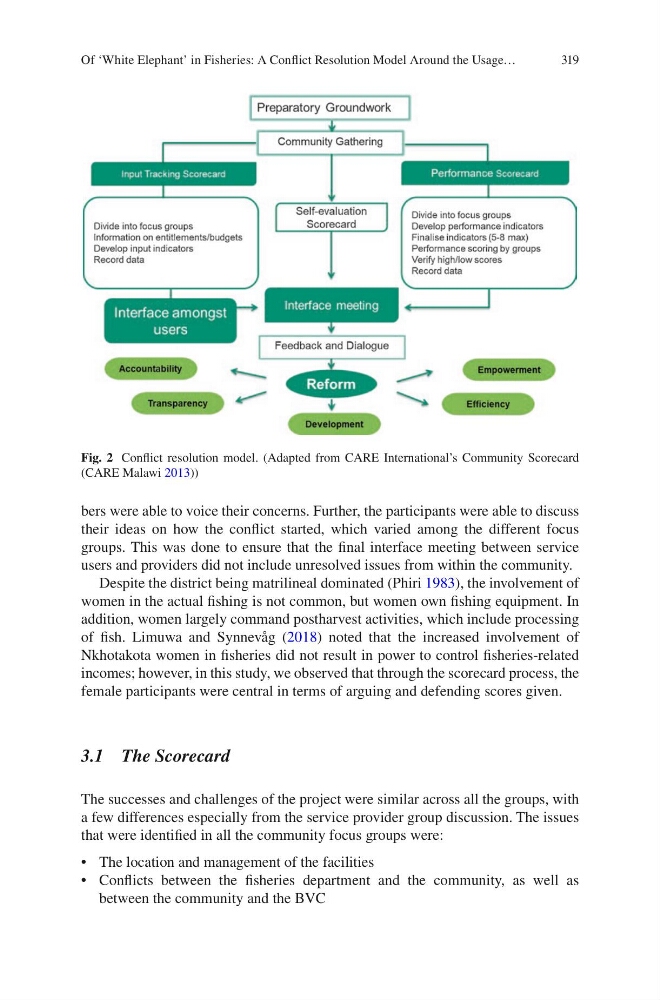
Fig. 2 Conflict resolution model. (Adapted from CARE International’s Community Scorecard
(CARE Malawi 2013))
Of ‘White Elephant’ in Fisheries: A Conflict Resolution Model Around the Usage…
bers were able to voice their concerns. Further, the participants were able to discuss
their ideas on how the conflict started, which varied among the different focus
groups. This was done to ensure that the final interface meeting between service
users and providers did not include unresolved issues from within the community.
Despite the district being matrilineal dominated (Phiri 1983), the involvement of
women in the actual fishing is not common, but women own fishing equipment. In
addition, women largely command postharvest activities, which include processing
of fish. Limuwa and Synnevåg (2018) noted that the increased involvement of
Nkhotakota women in fisheries did not result in power to control fisheries-related
incomes; however, in this study, we observed that through the scorecard process, the
female participants were central in terms of arguing and defending scores given.
3.1 The Scorecard
The successes and challenges of the project were similar across all the groups, with
a few differences especially from the service provider group discussion. The issues
that were identified in all the community focus groups were:
• The location and management of the facilities
• Conflicts between the fisheries department and the community, as well as
between the community and the BVC
Fig. 2 Conflict resolution model. (Adapted from CARE International’s Community Scorecard
(CARE Malawi 2013))
Of ‘White Elephant’ in Fisheries: A Conflict Resolution Model Around the Usage…