

88
exposure to climate variability effects to explore the current gender-differentiated
effects in relation to rice growing in eastern Uganda. As already indicated in the
literature, it is well established that while climate change is viewed to be global in
nature, its impacts are not globally homogeneous but rather differentiated across
regions, generations, social and cultural groups, age classes, income groups,
and gender.
The results generated from this study are not representative of eastern Uganda as
a whole, given that communities or social group are unique and differ culturally,
socially, and economically and hence have different norms and values that influence
gender-differentiated effects of climate change. The results of the study are an
important step in unveiling the dynamics and realities of gender-differentiated
effects of climate. It is evident that climate change and its effects are known by the
respondents; however, they lack the capacity to adapt and build resilience to climate
change. Both men and women are affected grossly by EVC effects, becoming more
poverty stricken with very limited economic, human, and social resources to build
resilience to climate change. It is also evident from the observations that both men
and women rely more on coping mechanisms to respond to the ECV effects, which
are more short-term survival strategies as opposed to long-term adaptation strategies, given the nature of resources at their disposal. To maintain their crop and
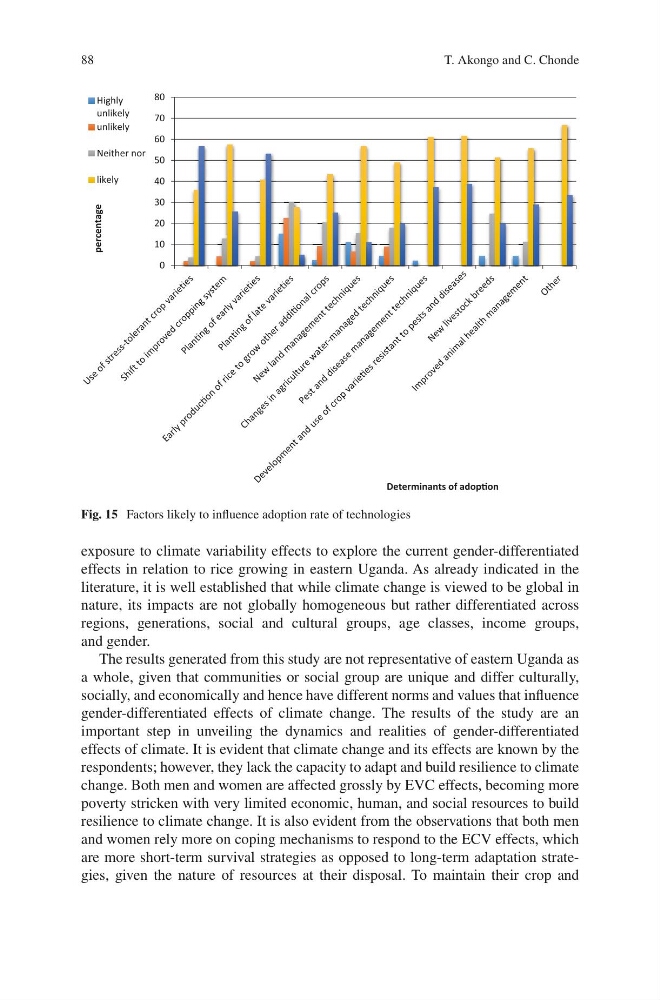
Fig. 15 Factors likely to influence adoption rate of technologies
T. Akongo and C. Chonde
exposure to climate variability effects to explore the current gender-differentiated
effects in relation to rice growing in eastern Uganda. As already indicated in the
literature, it is well established that while climate change is viewed to be global in
nature, its impacts are not globally homogeneous but rather differentiated across
regions, generations, social and cultural groups, age classes, income groups,
and gender.
The results generated from this study are not representative of eastern Uganda as
a whole, given that communities or social group are unique and differ culturally,
socially, and economically and hence have different norms and values that influence
gender-differentiated effects of climate change. The results of the study are an
important step in unveiling the dynamics and realities of gender-differentiated
effects of climate. It is evident that climate change and its effects are known by the
respondents; however, they lack the capacity to adapt and build resilience to climate
change. Both men and women are affected grossly by EVC effects, becoming more
poverty stricken with very limited economic, human, and social resources to build
resilience to climate change. It is also evident from the observations that both men
and women rely more on coping mechanisms to respond to the ECV effects, which
are more short-term survival strategies as opposed to long-term adaptation strategies, given the nature of resources at their disposal. To maintain their crop and
Fig. 15 Factors likely to influence adoption rate of technologies
T. Akongo and C. Chonde