

Composting and Anaerobic Digestion as Biotechnological …
795
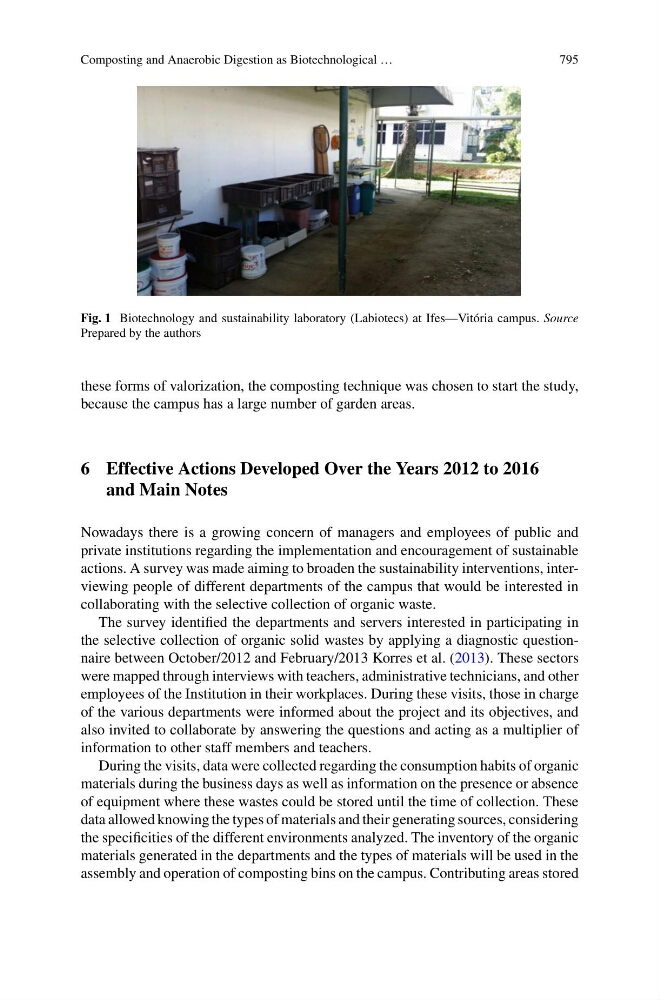
Fig. 1 Biotechnology and sustainability laboratory (Labiotecs) at Ifes—Vitória campus. Source
Prepared by the authors
these forms of valorization, the composting technique was chosen to start the study,
because the campus has a large number of garden areas.
6 Effective Actions Developed Over the Years 2012 to 2016
and Main Notes
Nowadays there is a growing concern of managers and employees of public and
private institutions regarding the implementation and encouragement of sustainable
actions. A survey was made aiming to broaden the sustainability interventions, interviewing people of different departments of the campus that would be interested in
collaborating with the selective collection of organic waste.
The survey identified the departments and servers interested in participating in
the selective collection of organic solid wastes by applying a diagnostic questionnaire between October/2012 and February/2013 Korres et al. (2013). These sectors
were mapped through interviews with teachers, administrative technicians, and other
employees of the Institution in their workplaces. During these visits, those in charge
of the various departments were informed about the project and its objectives, and
also invited to collaborate by answering the questions and acting as a multiplier of
information to other staff members and teachers.
During the visits, data were collected regarding the consumption habits of organic
materials during the business days as well as information on the presence or absence
of equipment where these wastes could be stored until the time of collection. These
data allowed knowing the types of materials and their generating sources, considering
the specificities of the different environments analyzed. The inventory of the organic
materials generated in the departments and the types of materials will be used in the
assembly and operation of composting bins on the campus. Contributing areas stored