

Post-occupancy Evaluation Focused on Accessibility: Experience …
699
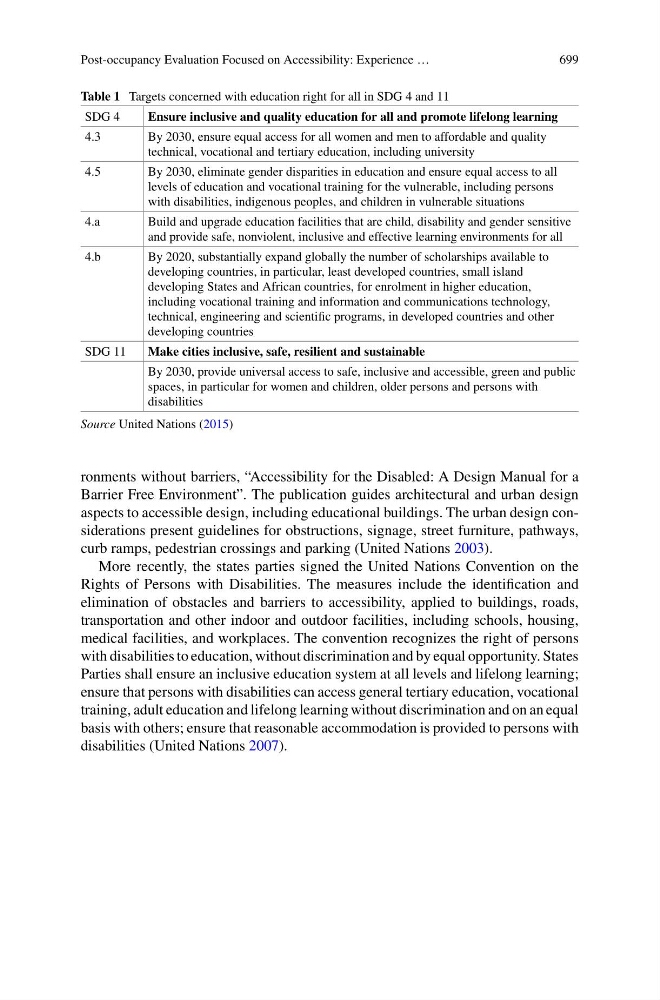
Table 1 Targets concerned with education right for all in SDG 4 and 11
SDG 4
Ensure inclusive and quality education for all and promote lifelong learning
4.3
By 2030, ensure equal access for all women and men to affordable and quality
technical, vocational and tertiary education, including university
4.5
By 2030, eliminate gender disparities in education and ensure equal access to all
levels of education and vocational training for the vulnerable, including persons
with disabilities, indigenous peoples, and children in vulnerable situations
4.a
Build and upgrade education facilities that are child, disability and gender sensitive
and provide safe, nonviolent, inclusive and effective learning environments for all
4.b
By 2020, substantially expand globally the number of scholarships available to
developing countries, in particular, least developed countries, small island
developing States and African countries, for enrolment in higher education,
including vocational training and information and communications technology,
technical, engineering and scientific programs, in developed countries and other
developing countries
SDG 11
Make cities inclusive, safe, resilient and sustainable
By 2030, provide universal access to safe, inclusive and accessible, green and public
spaces, in particular for women and children, older persons and persons with
disabilities
Source United Nations (2015)
ronments without barriers, “Accessibility for the Disabled: A Design Manual for a
Barrier Free Environment”. The publication guides architectural and urban design
aspects to accessible design, including educational buildings. The urban design considerations present guidelines for obstructions, signage, street furniture, pathways,
curb ramps, pedestrian crossings and parking (United Nations 2003).
More recently, the states parties signed the United Nations Convention on the
Rights of Persons with Disabilities. The measures include the identification and
elimination of obstacles and barriers to accessibility, applied to buildings, roads,
transportation and other indoor and outdoor facilities, including schools, housing,
medical facilities, and workplaces. The convention recognizes the right of persons
with disabilities to education, without discrimination and by equal opportunity. States
Parties shall ensure an inclusive education system at all levels and lifelong learning;
ensure that persons with disabilities can access general tertiary education, vocational
training, adult education and lifelong learning without discrimination and on an equal
basis with others; ensure that reasonable accommodation is provided to persons with
disabilities (United Nations 2007).