

4
C. Sai Kalyani Yogini et al.
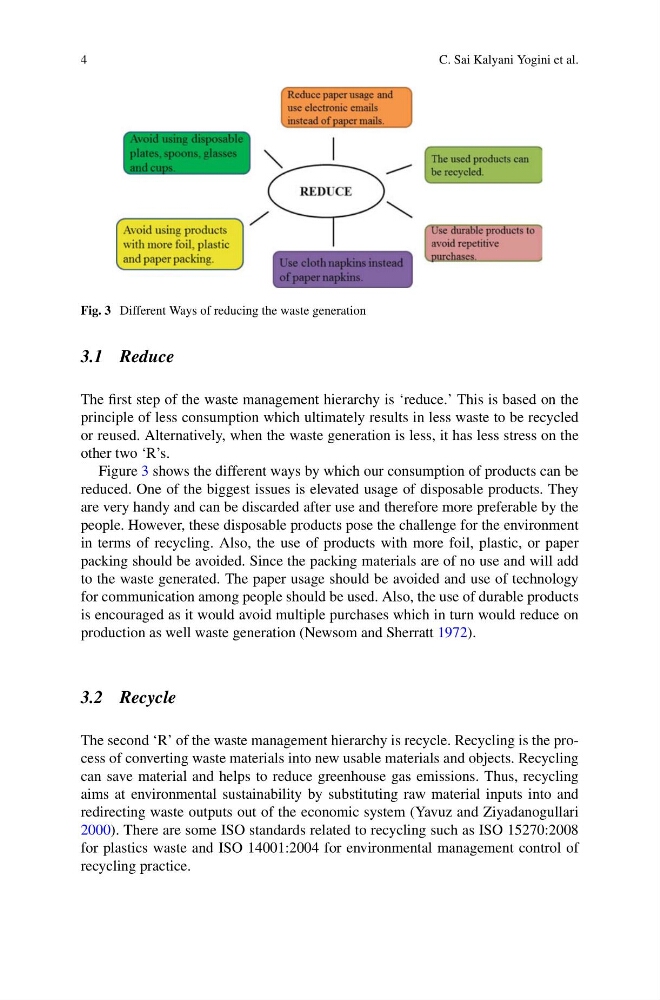
Fig. 3 Different Ways of reducing the waste generation
3.1 Reduce
The first step of the waste management hierarchy is ‘reduce.’ This is based on the
principle of less consumption which ultimately results in less waste to be recycled
or reused. Alternatively, when the waste generation is less, it has less stress on the
other two ‘R’s.
Figure 3 shows the different ways by which our consumption of products can be
reduced. One of the biggest issues is elevated usage of disposable products. They
are very handy and can be discarded after use and therefore more preferable by the
people. However, these disposable products pose the challenge for the environment
in terms of recycling. Also, the use of products with more foil, plastic, or paper
packing should be avoided. Since the packing materials are of no use and will add
to the waste generated. The paper usage should be avoided and use of technology
for communication among people should be used. Also, the use of durable products
is encouraged as it would avoid multiple purchases which in turn would reduce on
production as well waste generation (Newsom and Sherratt 1972).
3.2 Recycle
The second ‘R’ of the waste management hierarchy is recycle. Recycling is the process of converting waste materials into new usable materials and objects. Recycling
can save material and helps to reduce greenhouse gas emissions. Thus, recycling
aims at environmental sustainability by substituting raw material inputs into and
redirecting waste outputs out of the economic system (Yavuz and Ziyadanogullari
2000). There are some ISO standards related to recycling such as ISO 15270:2008
for plastics waste and ISO 14001:2004 for environmental management control of
recycling practice.
C. Sai Kalyani Yogini et al.
Fig. 3 Different Ways of reducing the waste generation
3.1 Reduce
The first step of the waste management hierarchy is ‘reduce.’ This is based on the
principle of less consumption which ultimately results in less waste to be recycled
or reused. Alternatively, when the waste generation is less, it has less stress on the
other two ‘R’s.
Figure 3 shows the different ways by which our consumption of products can be
reduced. One of the biggest issues is elevated usage of disposable products. They
are very handy and can be discarded after use and therefore more preferable by the
people. However, these disposable products pose the challenge for the environment
in terms of recycling. Also, the use of products with more foil, plastic, or paper
packing should be avoided. Since the packing materials are of no use and will add
to the waste generated. The paper usage should be avoided and use of technology
for communication among people should be used. Also, the use of durable products
is encouraged as it would avoid multiple purchases which in turn would reduce on
production as well waste generation (Newsom and Sherratt 1972).
3.2 Recycle
The second ‘R’ of the waste management hierarchy is recycle. Recycling is the process of converting waste materials into new usable materials and objects. Recycling
can save material and helps to reduce greenhouse gas emissions. Thus, recycling
aims at environmental sustainability by substituting raw material inputs into and
redirecting waste outputs out of the economic system (Yavuz and Ziyadanogullari
2000). There are some ISO standards related to recycling such as ISO 15270:2008
for plastics waste and ISO 14001:2004 for environmental management control of
recycling practice.