

93
reduce their quality, and even be lethal. There is still a view that the lobster that died
during air transport can be eaten: While some sellers refused the sale of the dead,
some of them use these for their cooked products. The risk from these products may
increase related to the increase in the demand for raw and cooked lobsters in case
poor hygienic conditions during production and trade (Tirloni et al. 2016). In addition, since lobsters are only animals and maintain their natural habitat, they can
experience stress when placed in common environments. Protein levels and shell
hardness in the blood of lobsters to be transported should be taken into consideration as they may change seasonally. Live lobsters should be kept cool during transport but avoid direct contact with coolants such as wet ice or gel packs as they may
cause stress and death to the animal. Under the best shipping conditions, the moisture content in the packaging box will be about 70%. It has been reported that the
most common transport method for live lobsters is expanded polystyrene coated
liner boxes. An absorbent pad should be placed under the box. Lobsters can be separated by moist paper, chilled wet sponges, or gel packs. Seaweed is also used by
some transporters, but it can be harmful to lobsters as some algae species may produce harmful gases in case of degradation. During transportation, the lobster loses
weight and begins to accumulate nitrogenous waste, including ammonia. To prevent
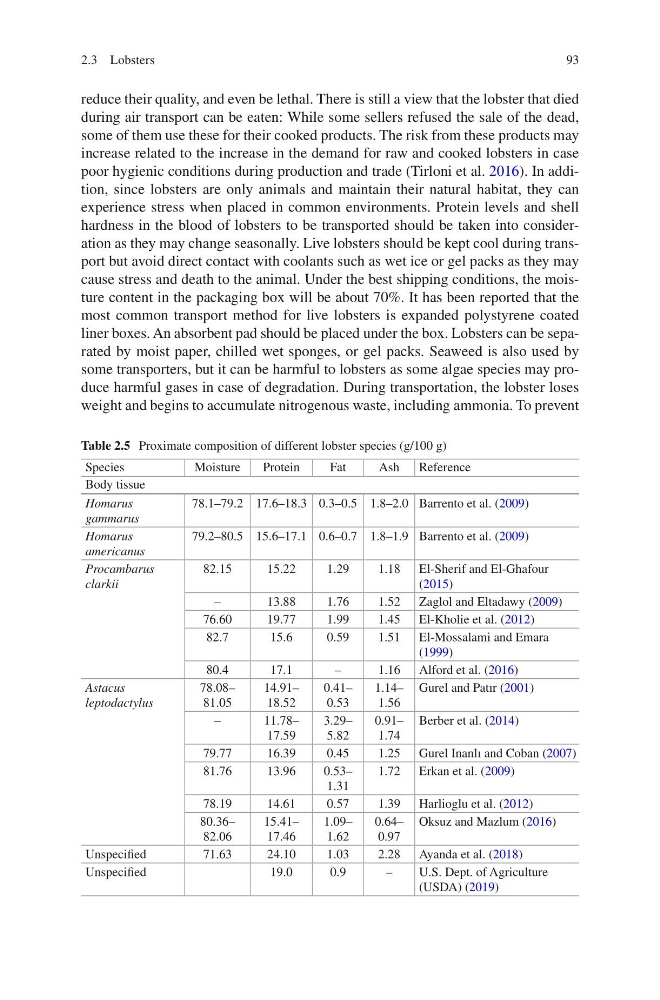
Table 2.5 Proximate composition of different lobster species (g/100 g)
Species
Moisture
Protein
Fat
Ash
Reference
Body tissue
Homarus
gammarus
78.1–79.2 17.6–18.3 0.3–0.5 1.8–2.0 Barrento et al. (2009)
Homarus
americanus
79.2–80.5 15.6–17.1 0.6–0.7 1.8–1.9 Barrento et al. (2009)
Procambarus
clarkii
82.15
15.22
1.29
1.18 El-Sherif and El-Ghafour
(2015)
–
13.88
1.76
1.52 Zaglol and Eltadawy (2009)
76.60
19.77
1.99
1.45 El-Kholie et al. (2012)
82.7
15.6
0.59
1.51 El-Mossalami and Emara
(1999)
80.4
17.1
–
1.16 Alford et al. (2016)
Astacus
leptodactylus
78.08–
81.05
14.91–
18.52
0.41–
0.53
1.14–
1.56
Gurel and Patır (2001)
–
11.78–
17.59
3.29–
5.82
0.91–
1.74
Berber et al. (2014)
79.77
16.39
0.45
1.25 Gurel Inanlı and Coban (2007)
81.76
13.96
0.53–
1.31
1.72 Erkan et al. (2009)
78.19
14.61
0.57
1.39 Harlioglu et al. (2012)
80.36–
82.06
15.41–
17.46
1.09–
1.62
0.64–
0.97
Oksuz and Mazlum (2016)
Unspecified
71.63
24.10
1.03
2.28 Ayanda et al. (2018)
Unspecified
19.0
0.9
–
U.S. Dept. of Agriculture
(USDA) (2019)
2.3 Lobsters
reduce their quality, and even be lethal. There is still a view that the lobster that died
during air transport can be eaten: While some sellers refused the sale of the dead,
some of them use these for their cooked products. The risk from these products may
increase related to the increase in the demand for raw and cooked lobsters in case
poor hygienic conditions during production and trade (Tirloni et al. 2016). In addition, since lobsters are only animals and maintain their natural habitat, they can
experience stress when placed in common environments. Protein levels and shell
hardness in the blood of lobsters to be transported should be taken into consideration as they may change seasonally. Live lobsters should be kept cool during transport but avoid direct contact with coolants such as wet ice or gel packs as they may
cause stress and death to the animal. Under the best shipping conditions, the moisture content in the packaging box will be about 70%. It has been reported that the
most common transport method for live lobsters is expanded polystyrene coated
liner boxes. An absorbent pad should be placed under the box. Lobsters can be separated by moist paper, chilled wet sponges, or gel packs. Seaweed is also used by
some transporters, but it can be harmful to lobsters as some algae species may produce harmful gases in case of degradation. During transportation, the lobster loses
weight and begins to accumulate nitrogenous waste, including ammonia. To prevent
Table 2.5 Proximate composition of different lobster species (g/100 g)
Species
Moisture
Protein
Fat
Ash
Reference
Body tissue
Homarus
gammarus
78.1–79.2 17.6–18.3 0.3–0.5 1.8–2.0 Barrento et al. (2009)
Homarus
americanus
79.2–80.5 15.6–17.1 0.6–0.7 1.8–1.9 Barrento et al. (2009)
Procambarus
clarkii
82.15
15.22
1.29
1.18 El-Sherif and El-Ghafour
(2015)
–
13.88
1.76
1.52 Zaglol and Eltadawy (2009)
76.60
19.77
1.99
1.45 El-Kholie et al. (2012)
82.7
15.6
0.59
1.51 El-Mossalami and Emara
(1999)
80.4
17.1
–
1.16 Alford et al. (2016)
Astacus
leptodactylus
78.08–
81.05
14.91–
18.52
0.41–
0.53
1.14–
1.56
Gurel and Patır (2001)
–
11.78–
17.59
3.29–
5.82
0.91–
1.74
Berber et al. (2014)
79.77
16.39
0.45
1.25 Gurel Inanlı and Coban (2007)
81.76
13.96
0.53–
1.31
1.72 Erkan et al. (2009)
78.19
14.61
0.57
1.39 Harlioglu et al. (2012)
80.36–
82.06
15.41–
17.46
1.09–
1.62
0.64–
0.97
Oksuz and Mazlum (2016)
Unspecified
71.63
24.10
1.03
2.28 Ayanda et al. (2018)
Unspecified
19.0
0.9
–
U.S. Dept. of Agriculture
(USDA) (2019)
2.3 Lobsters