

6
Soil rhizospheric, endophytic
symbiotic, bacteria, fungi and
actinomycetes
Microorganism for improving
Plant growth promoting activity
Microorganism for improving
agricultural yield and
nutritional quality
Microorganism for improving
stress tolerance and resistance to
disease
Microorganism for improving
phytobioremidiation of the
degraded land
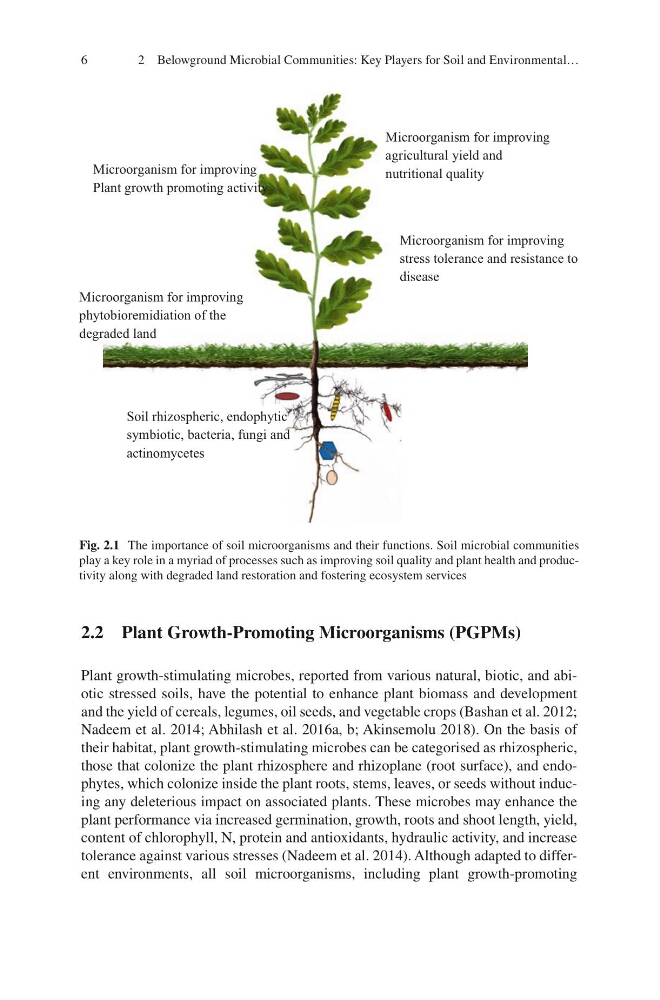
Fig. 2.1 The importance of soil microorganisms and their functions. Soil microbial communities
play a key role in a myriad of processes such as improving soil quality and plant health and productivity along with degraded land restoration and fostering ecosystem services
2.2 Plant Growth-Promoting Microorganisms (PGPMs)
Plant growth-stimulating microbes, reported from various natural, biotic, and abiotic stressed soils, have the potential to enhance plant biomass and development
and the yield of cereals, legumes, oil seeds, and vegetable crops (Bashan et al. 2012;
Nadeem et al. 2014; Abhilash et al. 2016a, b; Akinsemolu 2018). On the basis of
their habitat, plant growth-stimulating microbes can be categorised as rhizospheric,
those that colonize the plant rhizosphere and rhizoplane (root surface), and endophytes, which colonize inside the plant roots, stems, leaves, or seeds without inducing any deleterious impact on associated plants. These microbes may enhance the
plant performance via increased germination, growth, roots and shoot length, yield,
content of chlorophyll, N, protein and antioxidants, hydraulic activity, and increase
tolerance against various stresses (Nadeem et al. 2014). Although adapted to different environments, all soil microorganisms, including plant growth-promoting
2 Belowground Microbial Communities: Key Players for Soil and Environmental…
Soil rhizospheric, endophytic
symbiotic, bacteria, fungi and
actinomycetes
Microorganism for improving
Plant growth promoting activity
Microorganism for improving
agricultural yield and
nutritional quality
Microorganism for improving
stress tolerance and resistance to
disease
Microorganism for improving
phytobioremidiation of the
degraded land
Fig. 2.1 The importance of soil microorganisms and their functions. Soil microbial communities
play a key role in a myriad of processes such as improving soil quality and plant health and productivity along with degraded land restoration and fostering ecosystem services
2.2 Plant Growth-Promoting Microorganisms (PGPMs)
Plant growth-stimulating microbes, reported from various natural, biotic, and abiotic stressed soils, have the potential to enhance plant biomass and development
and the yield of cereals, legumes, oil seeds, and vegetable crops (Bashan et al. 2012;
Nadeem et al. 2014; Abhilash et al. 2016a, b; Akinsemolu 2018). On the basis of
their habitat, plant growth-stimulating microbes can be categorised as rhizospheric,
those that colonize the plant rhizosphere and rhizoplane (root surface), and endophytes, which colonize inside the plant roots, stems, leaves, or seeds without inducing any deleterious impact on associated plants. These microbes may enhance the
plant performance via increased germination, growth, roots and shoot length, yield,
content of chlorophyll, N, protein and antioxidants, hydraulic activity, and increase
tolerance against various stresses (Nadeem et al. 2014). Although adapted to different environments, all soil microorganisms, including plant growth-promoting
2 Belowground Microbial Communities: Key Players for Soil and Environmental…