

18 Nutraceutical and Pharmaceutical Applications of Carotenoids
451
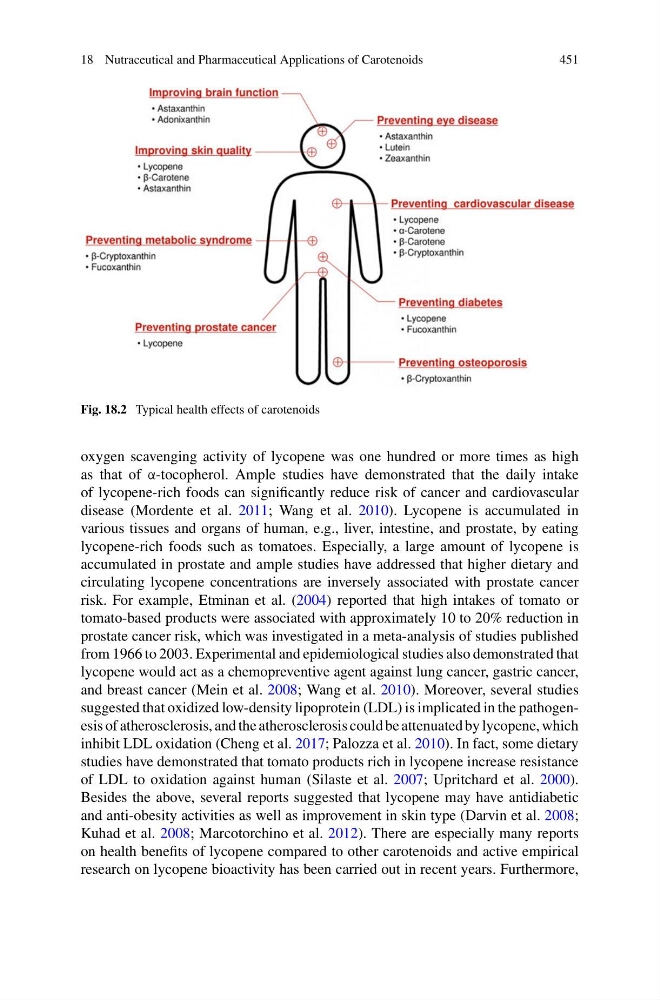
Fig. 18.2 Typical health effects of carotenoids
oxygen scavenging activity of lycopene was one hundred or more times as high
as that of α-tocopherol. Ample studies have demonstrated that the daily intake
of lycopene-rich foods can significantly reduce risk of cancer and cardiovascular
disease (Mordente et al. 2011; Wang et al. 2010). Lycopene is accumulated in
various tissues and organs of human, e.g., liver, intestine, and prostate, by eating
lycopene-rich foods such as tomatoes. Especially, a large amount of lycopene is
accumulated in prostate and ample studies have addressed that higher dietary and
circulating lycopene concentrations are inversely associated with prostate cancer
risk. For example, Etminan et al. (2004) reported that high intakes of tomato or
tomato-based products were associated with approximately 10 to 20% reduction in
prostate cancer risk, which was investigated in a meta-analysis of studies published
from 1966 to 2003. Experimental and epidemiological studies also demonstrated that
lycopene would act as a chemopreventive agent against lung cancer, gastric cancer,
and breast cancer (Mein et al. 2008; Wang et al. 2010). Moreover, several studies
suggested that oxidized low-density lipoprotein (LDL) is implicated in the pathogenesis of atherosclerosis, and the atherosclerosis could be attenuated by lycopene, which
inhibit LDL oxidation (Cheng et al. 2017; Palozza et al. 2010). In fact, some dietary
studies have demonstrated that tomato products rich in lycopene increase resistance
of LDL to oxidation against human (Silaste et al. 2007; Upritchard et al. 2000).
Besides the above, several reports suggested that lycopene may have antidiabetic
and anti-obesity activities as well as improvement in skin type (Darvin et al. 2008;
Kuhad et al. 2008; Marcotorchino et al. 2012). There are especially many reports
on health benefits of lycopene compared to other carotenoids and active empirical
research on lycopene bioactivity has been carried out in recent years. Furthermore,
451
Fig. 18.2 Typical health effects of carotenoids
oxygen scavenging activity of lycopene was one hundred or more times as high
as that of α-tocopherol. Ample studies have demonstrated that the daily intake
of lycopene-rich foods can significantly reduce risk of cancer and cardiovascular
disease (Mordente et al. 2011; Wang et al. 2010). Lycopene is accumulated in
various tissues and organs of human, e.g., liver, intestine, and prostate, by eating
lycopene-rich foods such as tomatoes. Especially, a large amount of lycopene is
accumulated in prostate and ample studies have addressed that higher dietary and
circulating lycopene concentrations are inversely associated with prostate cancer
risk. For example, Etminan et al. (2004) reported that high intakes of tomato or
tomato-based products were associated with approximately 10 to 20% reduction in
prostate cancer risk, which was investigated in a meta-analysis of studies published
from 1966 to 2003. Experimental and epidemiological studies also demonstrated that
lycopene would act as a chemopreventive agent against lung cancer, gastric cancer,
and breast cancer (Mein et al. 2008; Wang et al. 2010). Moreover, several studies
suggested that oxidized low-density lipoprotein (LDL) is implicated in the pathogenesis of atherosclerosis, and the atherosclerosis could be attenuated by lycopene, which
inhibit LDL oxidation (Cheng et al. 2017; Palozza et al. 2010). In fact, some dietary
studies have demonstrated that tomato products rich in lycopene increase resistance
of LDL to oxidation against human (Silaste et al. 2007; Upritchard et al. 2000).
Besides the above, several reports suggested that lycopene may have antidiabetic
and anti-obesity activities as well as improvement in skin type (Darvin et al. 2008;
Kuhad et al. 2008; Marcotorchino et al. 2012). There are especially many reports
on health benefits of lycopene compared to other carotenoids and active empirical
research on lycopene bioactivity has been carried out in recent years. Furthermore,