

78
4 Alginates
enzyme extraction method is based on the alginate lyase breaking down the alginate
within the cell walls into shorter chains and monomers which are more water soluble.
These are then released in the aqueous form and can be separated from the rest of
the solid. Enzyme extraction is rarely used for alginate.
4.6 Environmental Implications
Having established an understanding of the source, chemistry and production process
for alginate, here we evaluate the environmental impact of the stages involved in
the extraction process. Some estimates on material and energy consumption during
extraction are given based on results from extraction of alginate in reported studies.
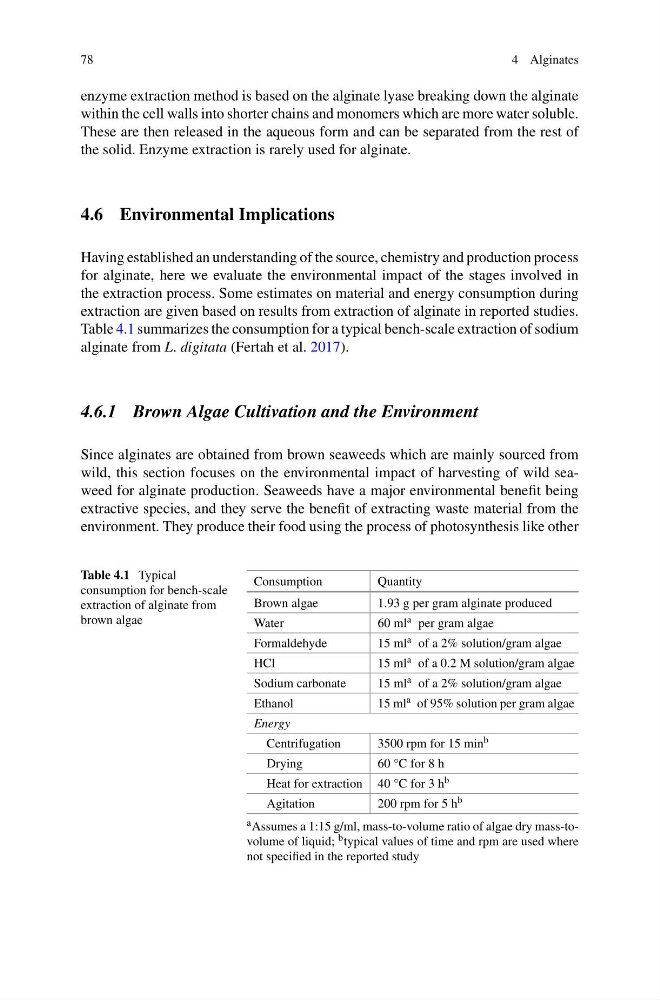
Table 4.1 summarizes the consumption for a typical bench-scale extraction of sodium
alginate from L. digitata (Fertah et al. 2017).
4.6.1 Brown Algae Cultivation and the Environment
Since alginates are obtained from brown seaweeds which are mainly sourced from
wild, this section focuses on the environmental impact of harvesting of wild seaweed for alginate production. Seaweeds have a major environmental benefit being
extractive species, and they serve the benefit of extracting waste material from the
environment. They produce their food using the process of photosynthesis like other
Table 4.1 Typical
consumption for bench-scale
extraction of alginate from
brown algae
Consumption
Quantity
Brown algae
1.93 g per gram alginate produced
Water
60 ml a per gram algae
Formaldehyde
15 ml a of a 2% solution/gram algae
HCl
15 ml a of a 0.2 M solution/gram algae
Sodium carbonate
15 ml a of a 2% solution/gram algae
Ethanol
15 ml a of 95% solution per gram algae
Energy
Centrifugation
3500 rpm for 15 min b
Drying
60 °C for 8 h
Heat for extraction 40 °C for 3 h b
Agitation
200 rpm for 5 h b
a Assumes a 1:15 g/ml, mass-to-volume ratio of algae dry mass-tovolume of liquid; b typical values of time and rpm are used where
not specified in the reported study
4 Alginates
enzyme extraction method is based on the alginate lyase breaking down the alginate
within the cell walls into shorter chains and monomers which are more water soluble.
These are then released in the aqueous form and can be separated from the rest of
the solid. Enzyme extraction is rarely used for alginate.
4.6 Environmental Implications
Having established an understanding of the source, chemistry and production process
for alginate, here we evaluate the environmental impact of the stages involved in
the extraction process. Some estimates on material and energy consumption during
extraction are given based on results from extraction of alginate in reported studies.
Table 4.1 summarizes the consumption for a typical bench-scale extraction of sodium
alginate from L. digitata (Fertah et al. 2017).
4.6.1 Brown Algae Cultivation and the Environment
Since alginates are obtained from brown seaweeds which are mainly sourced from
wild, this section focuses on the environmental impact of harvesting of wild seaweed for alginate production. Seaweeds have a major environmental benefit being
extractive species, and they serve the benefit of extracting waste material from the
environment. They produce their food using the process of photosynthesis like other
Table 4.1 Typical
consumption for bench-scale
extraction of alginate from
brown algae
Consumption
Quantity
Brown algae
1.93 g per gram alginate produced
Water
60 ml a per gram algae
Formaldehyde
15 ml a of a 2% solution/gram algae
HCl
15 ml a of a 0.2 M solution/gram algae
Sodium carbonate
15 ml a of a 2% solution/gram algae
Ethanol
15 ml a of 95% solution per gram algae
Energy
Centrifugation
3500 rpm for 15 min b
Drying
60 °C for 8 h
Heat for extraction 40 °C for 3 h b
Agitation
200 rpm for 5 h b
a Assumes a 1:15 g/ml, mass-to-volume ratio of algae dry mass-tovolume of liquid; b typical values of time and rpm are used where
not specified in the reported study