

74
C. Rochette-Egly
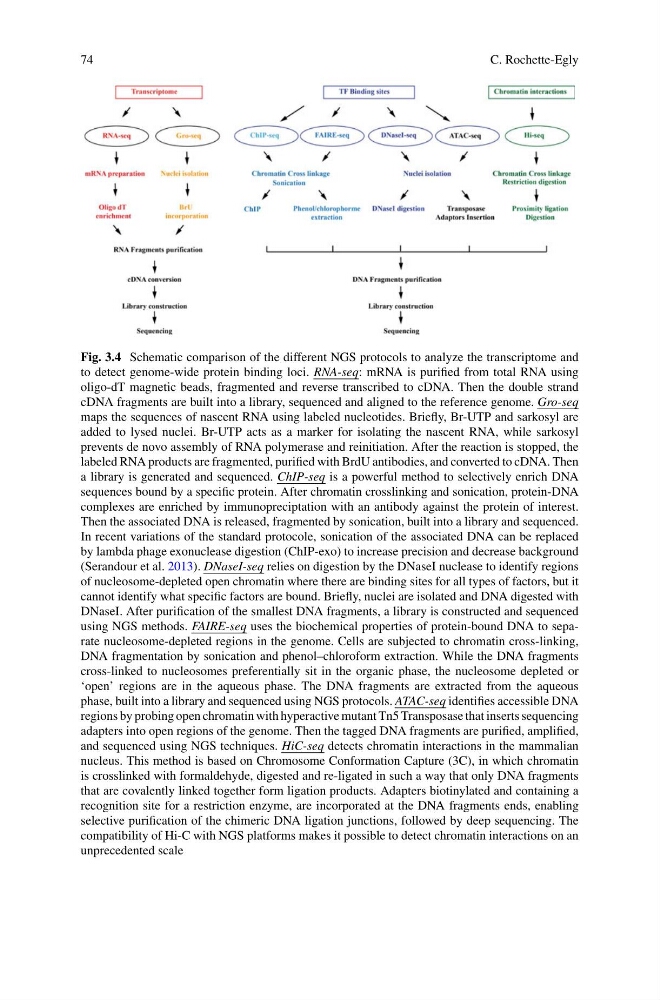
Fig. 3.4 Schematic comparison of the different NGS protocols to analyze the transcriptome and
to detect genome-wide protein binding loci. RNA-seq: mRNA is purified from total RNA using
oligo-dT magnetic beads, fragmented and reverse transcribed to cDNA. Then the double strand
cDNA fragments are built into a library, sequenced and aligned to the reference genome. Gro-seq
maps the sequences of nascent RNA using labeled nucleotides. Briefly, Br-UTP and sarkosyl are
added to lysed nuclei. Br-UTP acts as a marker for isolating the nascent RNA, while sarkosyl
prevents de novo assembly of RNA polymerase and reinitiation. After the reaction is stopped, the
labeled RNA products are fragmented, purified with BrdU antibodies, and converted to cDNA. Then
a library is generated and sequenced. ChIP-seq is a powerful method to selectively enrich DNA
sequences bound by a specific protein. After chromatin crosslinking and sonication, protein-DNA
complexes are enriched by immunopreciptation with an antibody against the protein of interest.
Then the associated DNA is released, fragmented by sonication, built into a library and sequenced.
In recent variations of the standard protocole, sonication of the associated DNA can be replaced
by lambda phage exonuclease digestion (ChIP-exo) to increase precision and decrease background
(Serandour et al. 2013). DNaseI-seq relies on digestion by the DNaseI nuclease to identify regions
of nucleosome-depleted open chromatin where there are binding sites for all types of factors, but it
cannot identify what specific factors are bound. Briefly, nuclei are isolated and DNA digested with
DNaseI. After purification of the smallest DNA fragments, a library is constructed and sequenced
using NGS methods. FAIRE-seq uses the biochemical properties of protein-bound DNA to separate nucleosome-depleted regions in the genome. Cells are subjected to chromatin cross-linking,
DNA fragmentation by sonication and phenol–chloroform extraction. While the DNA fragments
cross-linked to nucleosomes preferentially sit in the organic phase, the nucleosome depleted or
‘open’ regions are in the aqueous phase. The DNA fragments are extracted from the aqueous
phase, built into a library and sequenced using NGS protocols. ATAC-seq identifies accessible DNA
regions by probing open chromatin with hyperactive mutant Tn5 Transposase that inserts sequencing
adapters into open regions of the genome. Then the tagged DNA fragments are purified, amplified,
and sequenced using NGS techniques. HiC-seq detects chromatin interactions in the mammalian
nucleus. This method is based on Chromosome Conformation Capture (3C), in which chromatin
is crosslinked with formaldehyde, digested and re-ligated in such a way that only DNA fragments
that are covalently linked together form ligation products. Adapters biotinylated and containing a
recognition site for a restriction enzyme, are incorporated at the DNA fragments ends, enabling
selective purification of the chimeric DNA ligation junctions, followed by deep sequencing. The
compatibility of Hi-C with NGS platforms makes it possible to detect chromatin interactions on an
unprecedented scale
C. Rochette-Egly
Fig. 3.4 Schematic comparison of the different NGS protocols to analyze the transcriptome and
to detect genome-wide protein binding loci. RNA-seq: mRNA is purified from total RNA using
oligo-dT magnetic beads, fragmented and reverse transcribed to cDNA. Then the double strand
cDNA fragments are built into a library, sequenced and aligned to the reference genome. Gro-seq
maps the sequences of nascent RNA using labeled nucleotides. Briefly, Br-UTP and sarkosyl are
added to lysed nuclei. Br-UTP acts as a marker for isolating the nascent RNA, while sarkosyl
prevents de novo assembly of RNA polymerase and reinitiation. After the reaction is stopped, the
labeled RNA products are fragmented, purified with BrdU antibodies, and converted to cDNA. Then
a library is generated and sequenced. ChIP-seq is a powerful method to selectively enrich DNA
sequences bound by a specific protein. After chromatin crosslinking and sonication, protein-DNA
complexes are enriched by immunopreciptation with an antibody against the protein of interest.
Then the associated DNA is released, fragmented by sonication, built into a library and sequenced.
In recent variations of the standard protocole, sonication of the associated DNA can be replaced
by lambda phage exonuclease digestion (ChIP-exo) to increase precision and decrease background
(Serandour et al. 2013). DNaseI-seq relies on digestion by the DNaseI nuclease to identify regions
of nucleosome-depleted open chromatin where there are binding sites for all types of factors, but it
cannot identify what specific factors are bound. Briefly, nuclei are isolated and DNA digested with
DNaseI. After purification of the smallest DNA fragments, a library is constructed and sequenced
using NGS methods. FAIRE-seq uses the biochemical properties of protein-bound DNA to separate nucleosome-depleted regions in the genome. Cells are subjected to chromatin cross-linking,
DNA fragmentation by sonication and phenol–chloroform extraction. While the DNA fragments
cross-linked to nucleosomes preferentially sit in the organic phase, the nucleosome depleted or
‘open’ regions are in the aqueous phase. The DNA fragments are extracted from the aqueous
phase, built into a library and sequenced using NGS protocols. ATAC-seq identifies accessible DNA
regions by probing open chromatin with hyperactive mutant Tn5 Transposase that inserts sequencing
adapters into open regions of the genome. Then the tagged DNA fragments are purified, amplified,
and sequenced using NGS techniques. HiC-seq detects chromatin interactions in the mammalian
nucleus. This method is based on Chromosome Conformation Capture (3C), in which chromatin
is crosslinked with formaldehyde, digested and re-ligated in such a way that only DNA fragments
that are covalently linked together form ligation products. Adapters biotinylated and containing a
recognition site for a restriction enzyme, are incorporated at the DNA fragments ends, enabling
selective purification of the chimeric DNA ligation junctions, followed by deep sequencing. The
compatibility of Hi-C with NGS platforms makes it possible to detect chromatin interactions on an
unprecedented scale