

3.2 Major Protein
Removal
Blood serum or plasma is the main predominant sample used in
clinical proteomic studies. However, these samples are extremely
challenging for their high complexity and have a lot of major
proteins that can limit the biomarker identification. In the last
decade, many efforts have been made in order to maximize the
serum protein identifications. In this sense, a lot of commercial
depletion kits or pre-fractionation methods have been proposed
[60] although, as we mentioned above, some authors establish
protocols to make a proteomics assay in serum samples without
protein depletion or pre-fractionation [59].
3.2.1 DTT
At present, there is no method widely accepted by the proteomics
community to avoid high-abundance proteins. Thus, the information retrieved from different depletion methods is not the same
since the type and characteristics of the proteins depleted are different. To counter this, some companies offer kits to compress the
dynamic range of the proteins or to deplete them in plasma, such as
in the case of ProteoMinerTM (PM) or ProteoPrep Plasma Immunodepletion Kit [61]. In the last years, some simple, cheap, and fast
methods for depletion relying on the use of common chemicals
such as ACN and DTT have been proposed as alternatives to such
expensive commercial kits [62, 63].
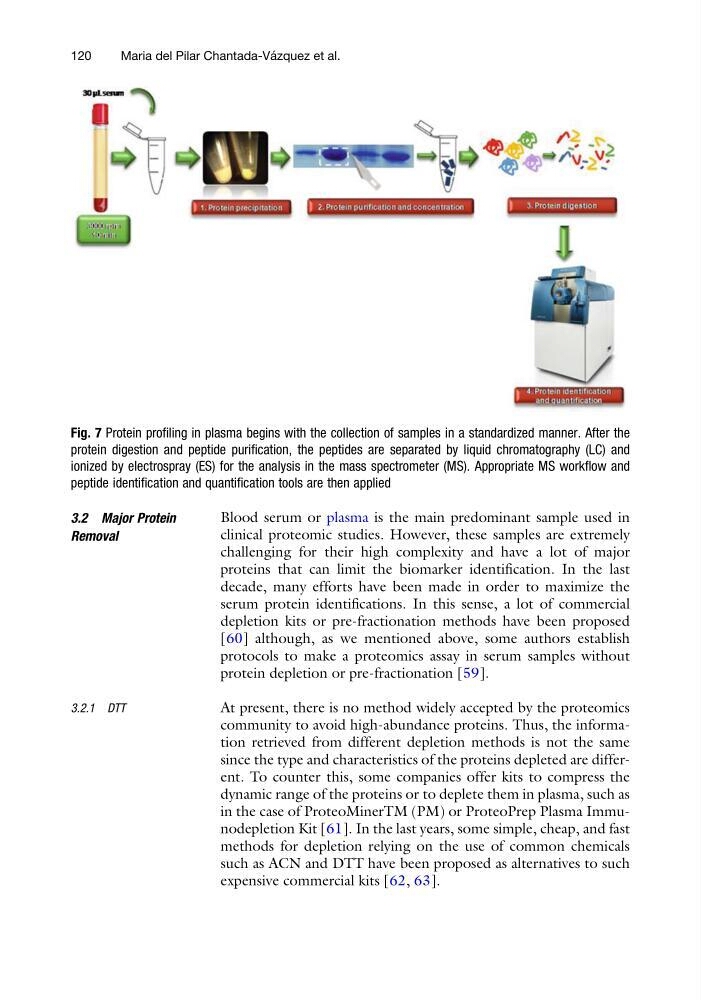
Fig. 7 Protein profiling in plasma begins with the collection of samples in a standardized manner. After the
protein digestion and peptide purification, the peptides are separated by liquid chromatography (LC) and
ionized by electrospray (ES) for the analysis in the mass spectrometer (MS). Appropriate MS workflow and
peptide identification and quantification tools are then applied
120
Maria del Pilar Chantada-Va ´ zquez et al.
Removal
Blood serum or plasma is the main predominant sample used in
clinical proteomic studies. However, these samples are extremely
challenging for their high complexity and have a lot of major
proteins that can limit the biomarker identification. In the last
decade, many efforts have been made in order to maximize the
serum protein identifications. In this sense, a lot of commercial
depletion kits or pre-fractionation methods have been proposed
[60] although, as we mentioned above, some authors establish
protocols to make a proteomics assay in serum samples without
protein depletion or pre-fractionation [59].
3.2.1 DTT
At present, there is no method widely accepted by the proteomics
community to avoid high-abundance proteins. Thus, the information retrieved from different depletion methods is not the same
since the type and characteristics of the proteins depleted are different. To counter this, some companies offer kits to compress the
dynamic range of the proteins or to deplete them in plasma, such as
in the case of ProteoMinerTM (PM) or ProteoPrep Plasma Immunodepletion Kit [61]. In the last years, some simple, cheap, and fast
methods for depletion relying on the use of common chemicals
such as ACN and DTT have been proposed as alternatives to such
expensive commercial kits [62, 63].
Fig. 7 Protein profiling in plasma begins with the collection of samples in a standardized manner. After the
protein digestion and peptide purification, the peptides are separated by liquid chromatography (LC) and
ionized by electrospray (ES) for the analysis in the mass spectrometer (MS). Appropriate MS workflow and
peptide identification and quantification tools are then applied
120
Maria del Pilar Chantada-Va ´ zquez et al.