

institutions (e.g. government departments), engagement and clear communication
regarding risks is crucial. In practice, part of risk communication consists of clearly
documenting the hazard, the circumstances of the assessment (including the area of
assessment), and the results of the assessment, in an easily understandable manner.
An easy-to-digest summary sheet including the main findings of each section (risk
assessment and management), including short descriptions of the hazard (e.g. the
alien species), pathways, impacts, management options, and benefits can serve this
purpose.
20.2 Risk Analysis in South Africa
Various tools have been developed for use specifically in the South African context.
Tucker and Richardson (1995) were amongst the pioneers in risk assessments for
biological invasions. They developed a tool to assess the risks that woody plants pose
to the Fynbos Biome, which requires information on the alien species, the region of
origin, and various details specific to the Fynbos Biome, for example tolerance to
fires. This approach is a combination of a trait-based scoring approach and a decision
tree, and allowance is made for the lack of data on some traits or aspects. Due to the
very specific focus of the scheme (the Fynbos Biome) it is most likely not applicable
to a wider geographic range or different habitats, and it is limited to assessing woody
plants. Similarly, other studies developing or applying risk assessments and analysis
Risk analysis
Risk communication
Risk assessment
Likelihood
Collate evidence on aspects which could facilitate entry,
establishment, and spread to assess the potential for
establishment and invasion
Consequence
Collate evidence of environmental impacts and socioeconomic impacts and undesirable traits to enable
estimation of current and potential severity of impacts
Risk management
To get insight into options for regulation and management
options are assessed which could mitigate invasiveness
and impacts. Benefits are also looked at here to recognise
potential conflicts of interest
Background
Includes details of what the
analysis is on and who did the
analysis to “set the stage”
Reporting
To communicate results
clearly and ensure objective
interpretations of the analysis
outcomes are summarised
and recommendations for
management and regulation
provided
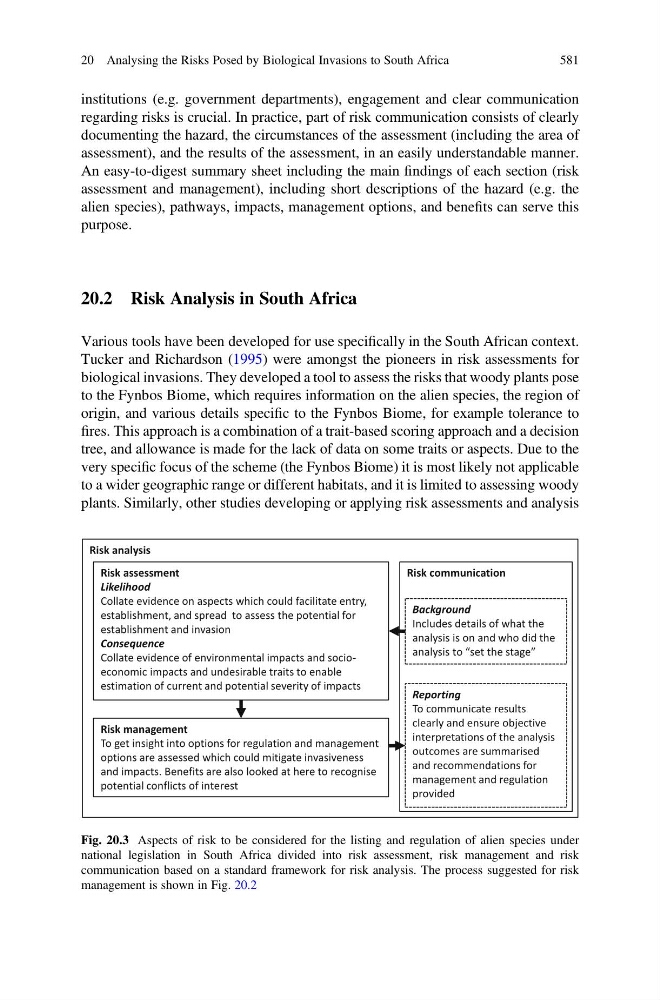
Fig. 20.3 Aspects of risk to be considered for the listing and regulation of alien species under
national legislation in South Africa divided into risk assessment, risk management and risk
communication based on a standard framework for risk analysis. The process suggested for risk
management is shown in Fig. 20.2
20 Analysing the Risks Posed by Biological Invasions to South Africa
581