

16.5.2 Prosopis Species (Mesquite)
Prosopis is one of the few invasive alien taxa whose ecological and economic
impacts have been reasonably well studied in South Africa (van den Berg 2010;
Milton and Dean 2010; Ndhlovu et al. 2011, 2016; Shackleton et al. 2015; Zimmermann and Pasiecznik 2005; Dzikiti et al. 2018; see also Bekele et al. (2018) for
information from Ethiopia). The genus Prosopis includes several tree species and
their hybrids that have successfully invaded the Nama-Karoo, Succulent Karoo, and
semi-arid Savanna Biomes. In the Northern Cape Province, the cover of Prosopis
spp. has increased from 0.35% (127,821 ha) in 1974 to 4.06% (1.4 million ha) by
2007 (van den Berg 2010); between 2000 and 2016 the occupation country-wide of
quarter degree grid cells by Prosopis glandulosa/velutina and hybrids increased by
23% (Henderson and Wilson 2017). Mesquite trees were introduced to South Africa
from the Americas to provide fodder and shade for livestock. Their pods provide
fodder; foliage is not utilised by livestock.
The success of Prosopis species as invaders in South African karroid shrubland is
paralleled by the encroachment of P. glandulosa into savanna grassland in its home
range. This has been attributed to chronic grazing, resulting in low fuel loads and a
consequent reduction in fire, as well as dispersal of seeds by cattle and creation of
suitable micro-sites for establishment (Archer et al. 1988; Brown and Archer 1989).
Although the climate and vegetation of North American C 4 savanna grassland and
South African karroid shrubland differ, they display a similar environmental history
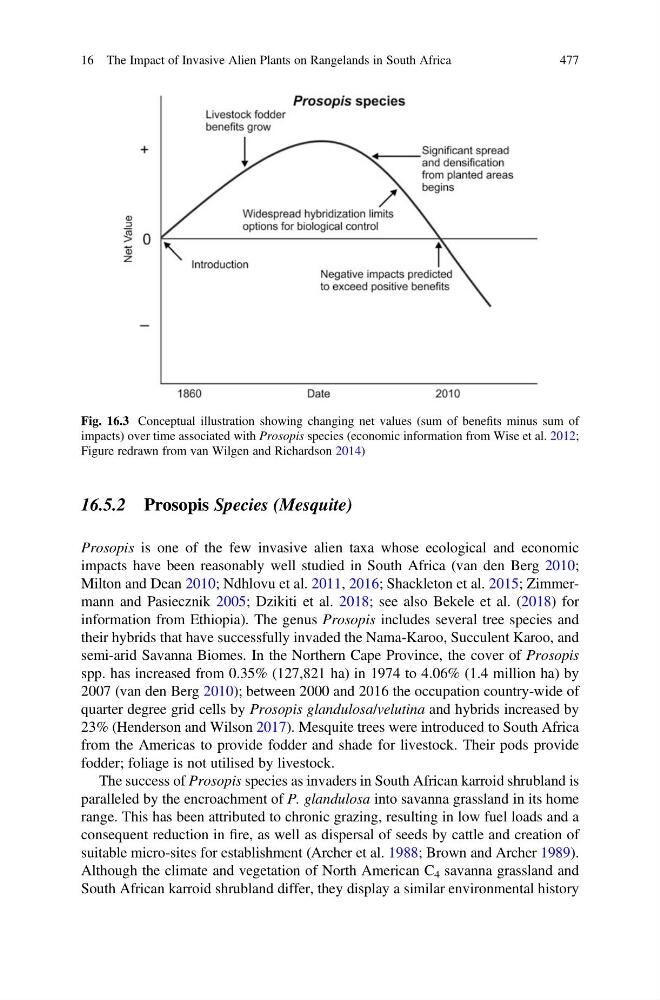
Fig. 16.3 Conceptual illustration showing changing net values (sum of benefits minus sum of
impacts) over time associated with Prosopis species (economic information from Wise et al. 2012;
Figure redrawn from van Wilgen and Richardson 2014)
16 The Impact of Invasive Alien Plants on Rangelands in South Africa
477
Prosopis is one of the few invasive alien taxa whose ecological and economic
impacts have been reasonably well studied in South Africa (van den Berg 2010;
Milton and Dean 2010; Ndhlovu et al. 2011, 2016; Shackleton et al. 2015; Zimmermann and Pasiecznik 2005; Dzikiti et al. 2018; see also Bekele et al. (2018) for
information from Ethiopia). The genus Prosopis includes several tree species and
their hybrids that have successfully invaded the Nama-Karoo, Succulent Karoo, and
semi-arid Savanna Biomes. In the Northern Cape Province, the cover of Prosopis
spp. has increased from 0.35% (127,821 ha) in 1974 to 4.06% (1.4 million ha) by
2007 (van den Berg 2010); between 2000 and 2016 the occupation country-wide of
quarter degree grid cells by Prosopis glandulosa/velutina and hybrids increased by
23% (Henderson and Wilson 2017). Mesquite trees were introduced to South Africa
from the Americas to provide fodder and shade for livestock. Their pods provide
fodder; foliage is not utilised by livestock.
The success of Prosopis species as invaders in South African karroid shrubland is
paralleled by the encroachment of P. glandulosa into savanna grassland in its home
range. This has been attributed to chronic grazing, resulting in low fuel loads and a
consequent reduction in fire, as well as dispersal of seeds by cattle and creation of
suitable micro-sites for establishment (Archer et al. 1988; Brown and Archer 1989).
Although the climate and vegetation of North American C 4 savanna grassland and
South African karroid shrubland differ, they display a similar environmental history
Fig. 16.3 Conceptual illustration showing changing net values (sum of benefits minus sum of
impacts) over time associated with Prosopis species (economic information from Wise et al. 2012;
Figure redrawn from van Wilgen and Richardson 2014)
16 The Impact of Invasive Alien Plants on Rangelands in South Africa
477