

thus have more opportunities to infect others. For instance, sick lions may be unable
to hunt for themselves, but are provided with food by their pride members, who may
become infected through prolonged contact (Renwick et al. 2007).
Infection with BTB causes loss of body condition, decreased fertility and respiratory issues. However, because of the slow progressing nature of the infection, the
effects in wildlife populations are difficult to observe and currently remain unknown.
Studies in the 1990s in KNP buffalo found that younger individuals were overrepresented in BTB-infected herds, possibly due to an increased mortality rate in
older buffalo, but that there was no difference in numbers of pregnant and lactating
females in infected vs. uninfected herds (Rodwell et al. 2001b). However, a later
study showed the opposite effect, with infected herds having decreased body
condition and an apparently decreased calf survival rate (Caron et al. 2003). Studies
of infected buffalo in the HiP showed a reduced population growth and adult
survival rate (Jolles et al. 2005). As BTB does not exist in a vacuum, these effects
are confounded by concurrent factors that may have an effect on populations, such as
drought and other diseases (Michel et al. 2006).
BTB-infected animals suffering from clinical disease are more likely to be killed
by predators, providing a means of transmission up the food chain. BTB was first
detected in lions in the KNP in 1996, presumably infected by eating infected buffalo
meat or inhaling infected body fluids while doing so (Keet et al. 1996). BTB appears
to have a destabilising effect on lion prides, as the deaths of dominant animals render
the pride vulnerable to attack or takeover from other neighbouring prides. Infected
lion populations were observed to have distorted age and sex ratios, with higher
mortality among older and adult lions, and a male to female ratio four times higher
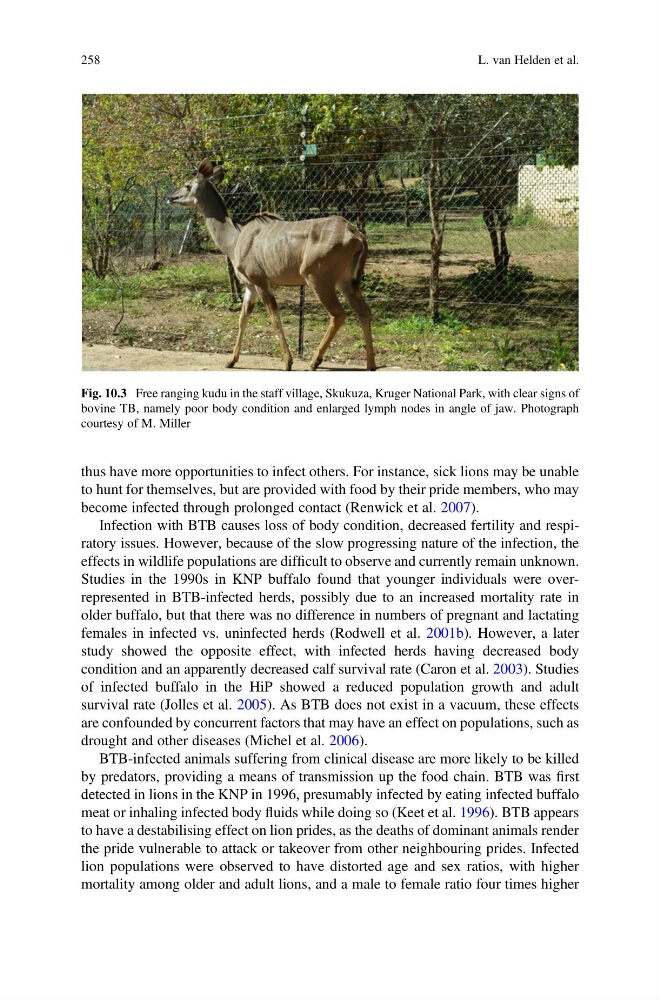
Fig. 10.3 Free ranging kudu in the staff village, Skukuza, Kruger National Park, with clear signs of
bovine TB, namely poor body condition and enlarged lymph nodes in angle of jaw. Photograph
courtesy of M. Miller
258
L. van Helden et al.
to hunt for themselves, but are provided with food by their pride members, who may
become infected through prolonged contact (Renwick et al. 2007).
Infection with BTB causes loss of body condition, decreased fertility and respiratory issues. However, because of the slow progressing nature of the infection, the
effects in wildlife populations are difficult to observe and currently remain unknown.
Studies in the 1990s in KNP buffalo found that younger individuals were overrepresented in BTB-infected herds, possibly due to an increased mortality rate in
older buffalo, but that there was no difference in numbers of pregnant and lactating
females in infected vs. uninfected herds (Rodwell et al. 2001b). However, a later
study showed the opposite effect, with infected herds having decreased body
condition and an apparently decreased calf survival rate (Caron et al. 2003). Studies
of infected buffalo in the HiP showed a reduced population growth and adult
survival rate (Jolles et al. 2005). As BTB does not exist in a vacuum, these effects
are confounded by concurrent factors that may have an effect on populations, such as
drought and other diseases (Michel et al. 2006).
BTB-infected animals suffering from clinical disease are more likely to be killed
by predators, providing a means of transmission up the food chain. BTB was first
detected in lions in the KNP in 1996, presumably infected by eating infected buffalo
meat or inhaling infected body fluids while doing so (Keet et al. 1996). BTB appears
to have a destabilising effect on lion prides, as the deaths of dominant animals render
the pride vulnerable to attack or takeover from other neighbouring prides. Infected
lion populations were observed to have distorted age and sex ratios, with higher
mortality among older and adult lions, and a male to female ratio four times higher
Fig. 10.3 Free ranging kudu in the staff village, Skukuza, Kruger National Park, with clear signs of
bovine TB, namely poor body condition and enlarged lymph nodes in angle of jaw. Photograph
courtesy of M. Miller
258
L. van Helden et al.