

identifying 5hmC. Further, CpG and non-CpG hydroxymethylation throughout the
genome is covered at single-base resolution. This is a very accurate method, but
large amounts of DNA starting material are required and the detection limit is
insufficient for the quantification of 5hmC with extremely low 5hmC levels. To
date, many other methods have been developed and improved such as those for the
direct identification of mC, hmC and unmodified cytosine (C) at single-base
resolution.
2.1.5 Enzyme-Assisted Identification of Genome Modification Assay
(EnIGMA)
EnIGMA is a highly efficient and reliable analytical method based on the specificity
of the enzyme DNMT1 [51]. Specifically, the enzyme methylates the cytosine of
hemi-methylated CpGs but does not methylate hemi-hydroxymethylated CpGs and
non-methylated CpGs. The technique includes genomic DNA digestion with the
appropriate restriction enzyme, followed by digested DNA end-repairing and
A-tailing. Ligation of hairpin-shaped adaptor DNA with deoxyuridine is then
followed by “USER” enzyme digestion. Alternatively, digested DNA is
dephosphorylated and directly ligated with hairpin-shaped adaptor DNA using the
cohesive end of the restriction enzyme cutting site. DNA is then treated with DNA
polymerase and DNMT1 enzyme. Finally, the method includes bisulfite treatment
and PCR. Sequencing and CpG comparison are necessary to determine whether the
cytosines in the original DNA were mC, hmC or unmodified C. The procedure can
be applied to many types of epigenetic studies including comprehensive genomewide analysis of hmC using massive parallel sequencers. This method is also very
useful to decipher the original sequence converted by bisulfite, eliminating the need
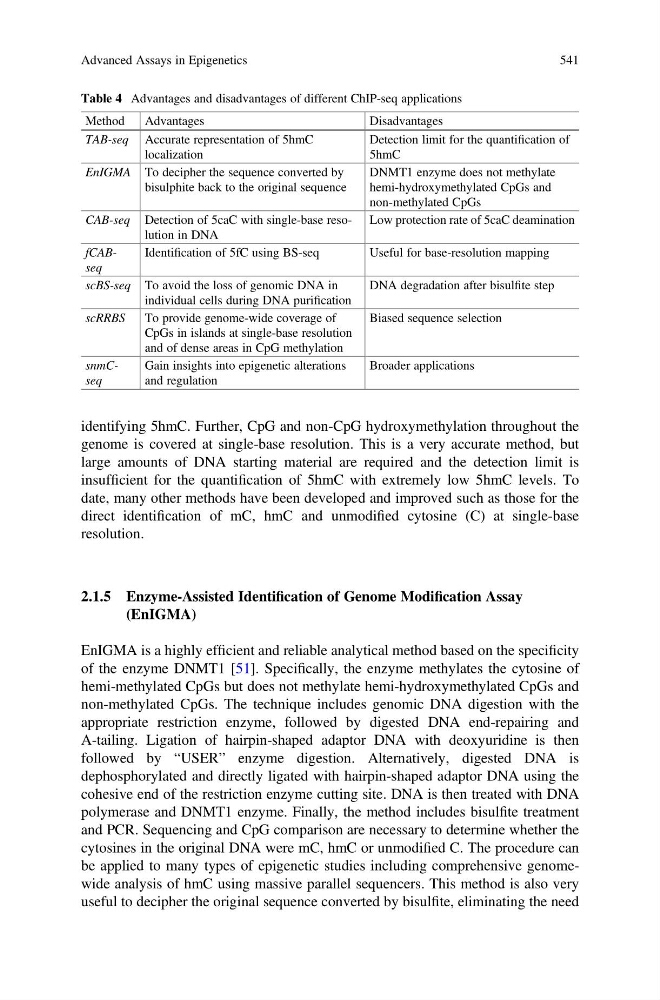
Table 4 Advantages and disadvantages of different ChIP-seq applications
Method
Advantages
Disadvantages
TAB-seq Accurate representation of 5hmC
localization
Detection limit for the quantification of
5hmC
EnIGMA To decipher the sequence converted by
bisulphite back to the original sequence
DNMT1 enzyme does not methylate
hemi-hydroxymethylated CpGs and
non-methylated CpGs
CAB-seq Detection of 5caC with single-base resolution in DNA
Low protection rate of 5caC deamination
fCABseq
Identification of 5fC using BS-seq
Useful for base-resolution mapping
scBS-seq To avoid the loss of genomic DNA in
individual cells during DNA purification
DNA degradation after bisulfite step
scRRBS
To provide genome-wide coverage of
CpGs in islands at single-base resolution
and of dense areas in CpG methylation
Biased sequence selection
snmCseq
Gain insights into epigenetic alterations
and regulation
Broader applications
Advanced Assays in Epigenetics
541
genome is covered at single-base resolution. This is a very accurate method, but
large amounts of DNA starting material are required and the detection limit is
insufficient for the quantification of 5hmC with extremely low 5hmC levels. To
date, many other methods have been developed and improved such as those for the
direct identification of mC, hmC and unmodified cytosine (C) at single-base
resolution.
2.1.5 Enzyme-Assisted Identification of Genome Modification Assay
(EnIGMA)
EnIGMA is a highly efficient and reliable analytical method based on the specificity
of the enzyme DNMT1 [51]. Specifically, the enzyme methylates the cytosine of
hemi-methylated CpGs but does not methylate hemi-hydroxymethylated CpGs and
non-methylated CpGs. The technique includes genomic DNA digestion with the
appropriate restriction enzyme, followed by digested DNA end-repairing and
A-tailing. Ligation of hairpin-shaped adaptor DNA with deoxyuridine is then
followed by “USER” enzyme digestion. Alternatively, digested DNA is
dephosphorylated and directly ligated with hairpin-shaped adaptor DNA using the
cohesive end of the restriction enzyme cutting site. DNA is then treated with DNA
polymerase and DNMT1 enzyme. Finally, the method includes bisulfite treatment
and PCR. Sequencing and CpG comparison are necessary to determine whether the
cytosines in the original DNA were mC, hmC or unmodified C. The procedure can
be applied to many types of epigenetic studies including comprehensive genomewide analysis of hmC using massive parallel sequencers. This method is also very
useful to decipher the original sequence converted by bisulfite, eliminating the need
Table 4 Advantages and disadvantages of different ChIP-seq applications
Method
Advantages
Disadvantages
TAB-seq Accurate representation of 5hmC
localization
Detection limit for the quantification of
5hmC
EnIGMA To decipher the sequence converted by
bisulphite back to the original sequence
DNMT1 enzyme does not methylate
hemi-hydroxymethylated CpGs and
non-methylated CpGs
CAB-seq Detection of 5caC with single-base resolution in DNA
Low protection rate of 5caC deamination
fCABseq
Identification of 5fC using BS-seq
Useful for base-resolution mapping
scBS-seq To avoid the loss of genomic DNA in
individual cells during DNA purification
DNA degradation after bisulfite step
scRRBS
To provide genome-wide coverage of
CpGs in islands at single-base resolution
and of dense areas in CpG methylation
Biased sequence selection
snmCseq
Gain insights into epigenetic alterations
and regulation
Broader applications
Advanced Assays in Epigenetics
541