

should be in the range of 200–500 bp. This is a very important step which depends on
many different variables such as the kind and quantity of starting material (cell line,
tissue, etc.), the power and frequency of sonication, the timing for and between each
step and the sonicator itself. As previously discussed, conventional ChIP requires a
huge amount of starting material, which is often lost during the numerous steps
involved in the protocol. This is a crucial drawback, which often does not allow
appropriate validation of the method, thus preventing the generation of reliable and
precise results. As the use of personalized therapies is increasingly playing a fundamental role in the study and prevention of various diseases, new nonconventional
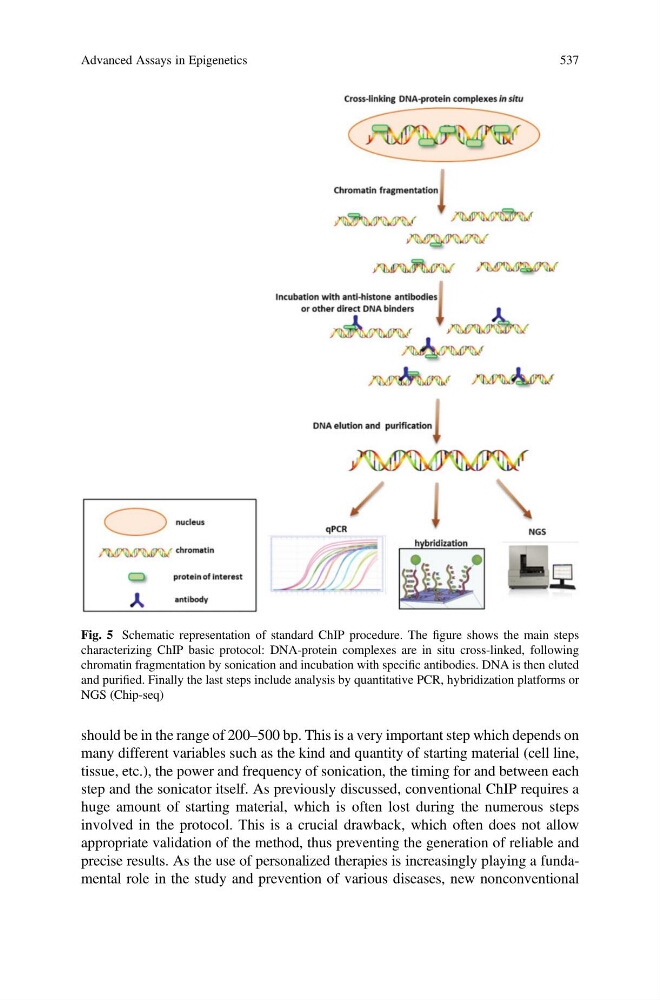
Fig. 5 Schematic representation of standard ChIP procedure. The figure shows the main steps
characterizing ChIP basic protocol: DNA-protein complexes are in situ cross-linked, following
chromatin fragmentation by sonication and incubation with specific antibodies. DNA is then eluted
and purified. Finally the last steps include analysis by quantitative PCR, hybridization platforms or
NGS (Chip-seq)
Advanced Assays in Epigenetics
537
many different variables such as the kind and quantity of starting material (cell line,
tissue, etc.), the power and frequency of sonication, the timing for and between each
step and the sonicator itself. As previously discussed, conventional ChIP requires a
huge amount of starting material, which is often lost during the numerous steps
involved in the protocol. This is a crucial drawback, which often does not allow
appropriate validation of the method, thus preventing the generation of reliable and
precise results. As the use of personalized therapies is increasingly playing a fundamental role in the study and prevention of various diseases, new nonconventional
Fig. 5 Schematic representation of standard ChIP procedure. The figure shows the main steps
characterizing ChIP basic protocol: DNA-protein complexes are in situ cross-linked, following
chromatin fragmentation by sonication and incubation with specific antibodies. DNA is then eluted
and purified. Finally the last steps include analysis by quantitative PCR, hybridization platforms or
NGS (Chip-seq)
Advanced Assays in Epigenetics
537