

around the catalytic pocket. Potentially, this can be used for modulating isotype
selectivity. In addition, cyclic peptides have attracted interest as drug candidates due
to their oral bioavailability and stability in biological environments [65, 66]. Taking
advantage of the latest techniques in peptide synthesis and the functional group
versatility provided by canonical and noncanonical amino acids, efforts have been
pursued toward the development of potent macrocyclic HDAC inhibitors exhibiting
different selectivity profiles [67].
Early work carried out by the group of Yoshida was predicated on combining the
structures of several naturally occurring cyclic tetrapeptides with that of TSA (1.1)
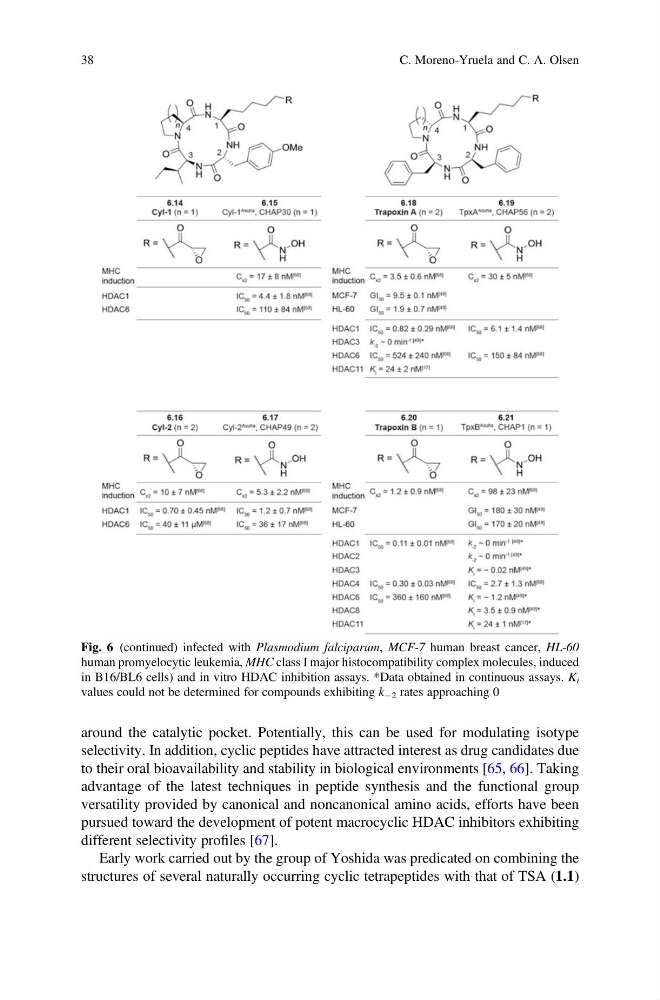
Fig. 6 (continued) infected with Plasmodium falciparum, MCF-7 human breast cancer, HL-60
human promyelocytic leukemia, MHC class I major histocompatibility complex molecules, induced
in B16/BL6 cells) and in vitro HDAC inhibition assays. *Data obtained in continuous assays. K i
values could not be determined for compounds exhibiting k À2 rates approaching 0
38
C. Moreno-Yruela and C. A. Olsen
selectivity. In addition, cyclic peptides have attracted interest as drug candidates due
to their oral bioavailability and stability in biological environments [65, 66]. Taking
advantage of the latest techniques in peptide synthesis and the functional group
versatility provided by canonical and noncanonical amino acids, efforts have been
pursued toward the development of potent macrocyclic HDAC inhibitors exhibiting
different selectivity profiles [67].
Early work carried out by the group of Yoshida was predicated on combining the
structures of several naturally occurring cyclic tetrapeptides with that of TSA (1.1)
Fig. 6 (continued) infected with Plasmodium falciparum, MCF-7 human breast cancer, HL-60
human promyelocytic leukemia, MHC class I major histocompatibility complex molecules, induced
in B16/BL6 cells) and in vitro HDAC inhibition assays. *Data obtained in continuous assays. K i
values could not be determined for compounds exhibiting k À2 rates approaching 0
38
C. Moreno-Yruela and C. A. Olsen