

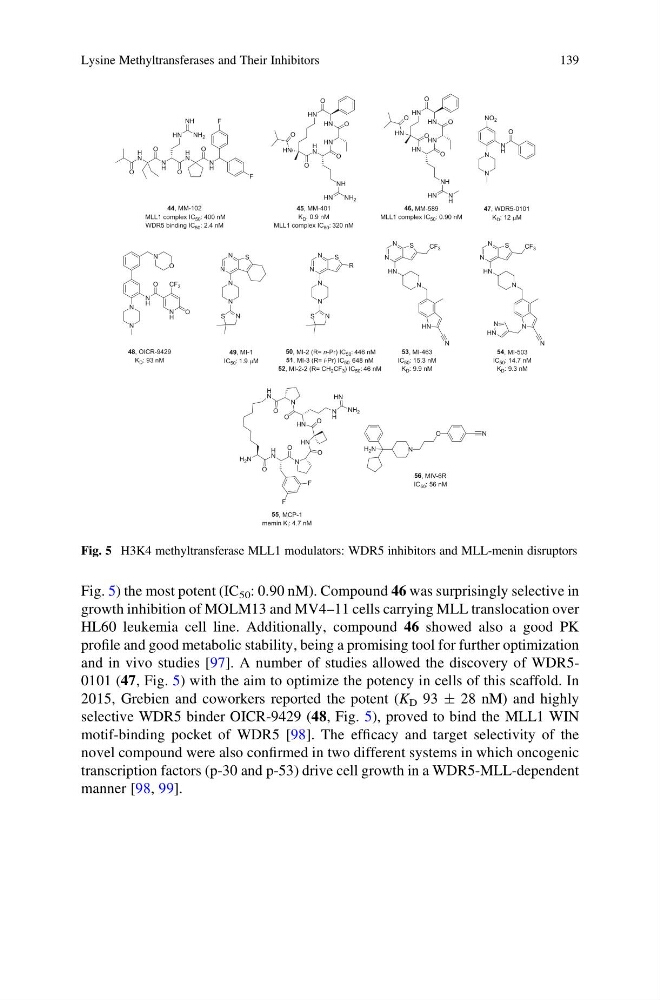
Fig. 5) the most potent (IC 50 : 0.90 nM). Compound 46 was surprisingly selective in
growth inhibition of MOLM13 and MV4–11 cells carrying MLL translocation over
HL60 leukemia cell line. Additionally, compound 46 showed also a good PK
profile and good metabolic stability, being a promising tool for further optimization
and in vivo studies [97]. A number of studies allowed the discovery of WDR50101 (47, Fig. 5) with the aim to optimize the potency in cells of this scaffold. In
2015, Grebien and coworkers reported the potent (K D 93 Æ 28 nM) and highly
selective WDR5 binder OICR-9429 (48, Fig. 5), proved to bind the MLL1 WIN
motif-binding pocket of WDR5 [98]. The efficacy and target selectivity of the
novel compound were also confirmed in two different systems in which oncogenic
transcription factors (p-30 and p-53) drive cell growth in a WDR5-MLL-dependent
manner [98, 99].
N
H
O
H
N
F
F
O
N
H
O
H
N
O
HN
NH
NH 2
44, MM-102
MLL1 complex IC 50 : 400 nM
WDR5 binding IC 50 : 2.4 nM
HN
O
HN
O
HN
O
H
N
O
NH
NH 2
HN
HN
O
45, MM-401
K D : 0.9 nM
MLL1 complex IC 50 : 320 nM
HN
O
HN
O
HN
O
HN
O
NH
HN
N
H
HN
O
46, MM-589
MLL1 complex IC 50 : 0.90 nM
NO 2
N
N
H
O
N
47, WDR5-0101
K D : 12 M
N
N
H
O
N
H
N
48, OICR-9429
K D : 93 nM
CF 3
O
N
O
N
N
S
N
N
S
N
49, MI-1
IC 50 : 1.9 M
N
N
S
R
N
N
S
N
50, MI-2 (R= n-Pr) IC 50 : 446 nM
51, MI-3 (R= i-Pr) IC 50: 648 nM
52, MI-2-2 (R= CH 2 CF 3 ) IC 50 : 46 nM
N
N
S
HN
N
CF 3
HN
N
N
N
S
HN
N
CF 3
N
N
N
HN
53, MI-463
IC 50 : 15.3 nM
K D : 9.9 nM
54, MI-503
IC 50 : 14.7 nM
K D : 9.3 nM
N
H 2 N
O
N
56, MIV-6R
IC 50 : 56 nM
O
H
N
N
O
HN
O
N
H
HN
NH 2
HN
O
N
O
H
N
O
H 2 N
F
F
55, MCP-1
memin K i : 4.7 nM
Fig. 5 H3K4 methyltransferase MLL1 modulators: WDR5 inhibitors and MLL-menin disruptors
Lysine Methyltransferases and Their Inhibitors
139
growth inhibition of MOLM13 and MV4–11 cells carrying MLL translocation over
HL60 leukemia cell line. Additionally, compound 46 showed also a good PK
profile and good metabolic stability, being a promising tool for further optimization
and in vivo studies [97]. A number of studies allowed the discovery of WDR50101 (47, Fig. 5) with the aim to optimize the potency in cells of this scaffold. In
2015, Grebien and coworkers reported the potent (K D 93 Æ 28 nM) and highly
selective WDR5 binder OICR-9429 (48, Fig. 5), proved to bind the MLL1 WIN
motif-binding pocket of WDR5 [98]. The efficacy and target selectivity of the
novel compound were also confirmed in two different systems in which oncogenic
transcription factors (p-30 and p-53) drive cell growth in a WDR5-MLL-dependent
manner [98, 99].
N
H
O
H
N
F
F
O
N
H
O
H
N
O
HN
NH
NH 2
44, MM-102
MLL1 complex IC 50 : 400 nM
WDR5 binding IC 50 : 2.4 nM
HN
O
HN
O
HN
O
H
N
O
NH
NH 2
HN
HN
O
45, MM-401
K D : 0.9 nM
MLL1 complex IC 50 : 320 nM
HN
O
HN
O
HN
O
HN
O
NH
HN
N
H
HN
O
46, MM-589
MLL1 complex IC 50 : 0.90 nM
NO 2
N
N
H
O
N
47, WDR5-0101
K D : 12 M
N
N
H
O
N
H
N
48, OICR-9429
K D : 93 nM
CF 3
O
N
O
N
N
S
N
N
S
N
49, MI-1
IC 50 : 1.9 M
N
N
S
R
N
N
S
N
50, MI-2 (R= n-Pr) IC 50 : 446 nM
51, MI-3 (R= i-Pr) IC 50: 648 nM
52, MI-2-2 (R= CH 2 CF 3 ) IC 50 : 46 nM
N
N
S
HN
N
CF 3
HN
N
N
N
S
HN
N
CF 3
N
N
N
HN
53, MI-463
IC 50 : 15.3 nM
K D : 9.9 nM
54, MI-503
IC 50 : 14.7 nM
K D : 9.3 nM
N
H 2 N
O
N
56, MIV-6R
IC 50 : 56 nM
O
H
N
N
O
HN
O
N
H
HN
NH 2
HN
O
N
O
H
N
O
H 2 N
F
F
55, MCP-1
memin K i : 4.7 nM
Fig. 5 H3K4 methyltransferase MLL1 modulators: WDR5 inhibitors and MLL-menin disruptors
Lysine Methyltransferases and Their Inhibitors
139