

malignant phenotypes in cancer. In particular, different HATs are reported to be mutated
in both haematological and solid tumours [19, 37] (Table 1). p300/CBP genes are
involved in various chromosomal translocation events during haematological malignancies giving rise to tumour-specific hybrid proteins. In AML, chromosome translocations
of CBP gene are associated with the development of this neoplasia following chemotherapy for other forms of cancer [38]. In acute lymphoid leukaemia (ALL), mutations of
CBP gene impairing its HATs activity have been found in about 18.3% of patients.
Moreover, the mutations were often associated with relapsed tumours, indicating that
cells with mutated HATs were resistant to first-line therapy [39].
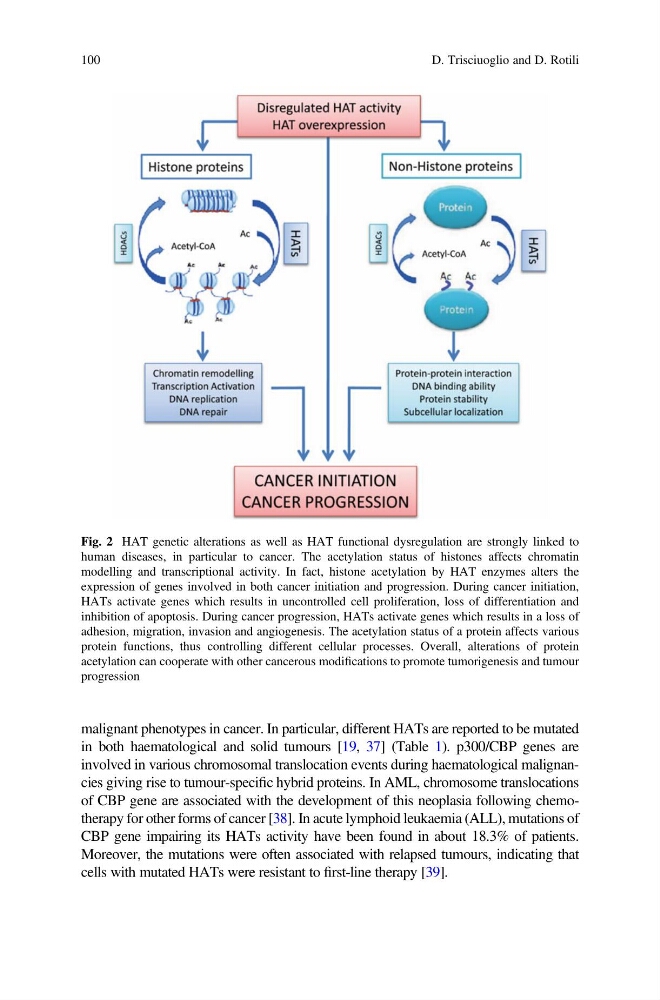
Fig. 2 HAT genetic alterations as well as HAT functional dysregulation are strongly linked to
human diseases, in particular to cancer. The acetylation status of histones affects chromatin
modelling and transcriptional activity. In fact, histone acetylation by HAT enzymes alters the
expression of genes involved in both cancer initiation and progression. During cancer initiation,
HATs activate genes which results in uncontrolled cell proliferation, loss of differentiation and
inhibition of apoptosis. During cancer progression, HATs activate genes which results in a loss of
adhesion, migration, invasion and angiogenesis. The acetylation status of a protein affects various
protein functions, thus controlling different cellular processes. Overall, alterations of protein
acetylation can cooperate with other cancerous modifications to promote tumorigenesis and tumour
progression
100
D. Trisciuoglio and D. Rotili
in both haematological and solid tumours [19, 37] (Table 1). p300/CBP genes are
involved in various chromosomal translocation events during haematological malignancies giving rise to tumour-specific hybrid proteins. In AML, chromosome translocations
of CBP gene are associated with the development of this neoplasia following chemotherapy for other forms of cancer [38]. In acute lymphoid leukaemia (ALL), mutations of
CBP gene impairing its HATs activity have been found in about 18.3% of patients.
Moreover, the mutations were often associated with relapsed tumours, indicating that
cells with mutated HATs were resistant to first-line therapy [39].
Fig. 2 HAT genetic alterations as well as HAT functional dysregulation are strongly linked to
human diseases, in particular to cancer. The acetylation status of histones affects chromatin
modelling and transcriptional activity. In fact, histone acetylation by HAT enzymes alters the
expression of genes involved in both cancer initiation and progression. During cancer initiation,
HATs activate genes which results in uncontrolled cell proliferation, loss of differentiation and
inhibition of apoptosis. During cancer progression, HATs activate genes which results in a loss of
adhesion, migration, invasion and angiogenesis. The acetylation status of a protein affects various
protein functions, thus controlling different cellular processes. Overall, alterations of protein
acetylation can cooperate with other cancerous modifications to promote tumorigenesis and tumour
progression
100
D. Trisciuoglio and D. Rotili