

608
Key Points
• Certain situations provide greater impetus and opportunity for applying integrated FEW science to real-world practice, such as:
– Acute scarcity of one or more commodity.
– Significant externalities from FEW decisions and actions.
– Potential benefits to many communities from coordinated actions.
• There exist many opportunities to advance FEW nexus science and application,
especially in the following areas:
– Building communities of science and practice;
– Defining scientific questions that meet the needs of decision-makers and the
capabilities of the scientific community;
– Using the process of choosing metrics to engage science and non-science
stakeholders in discussions that profoundly shape science, communication,
education, and decision-making;
– Using new abilities to collect, integrate and utilize vast amounts of data for
stronger science;
– Developing better models that capture the complex interactions of few systems
and accurately project future outcomes under defined changes to the system;
– Utilize significant advances in computing to use data and run models in a
manner that generates useful results to stakeholders and decision-makers;
– Carry out more effective communication about few systems and the choices
in policies and other actions to change systems for more desirable outcomes;
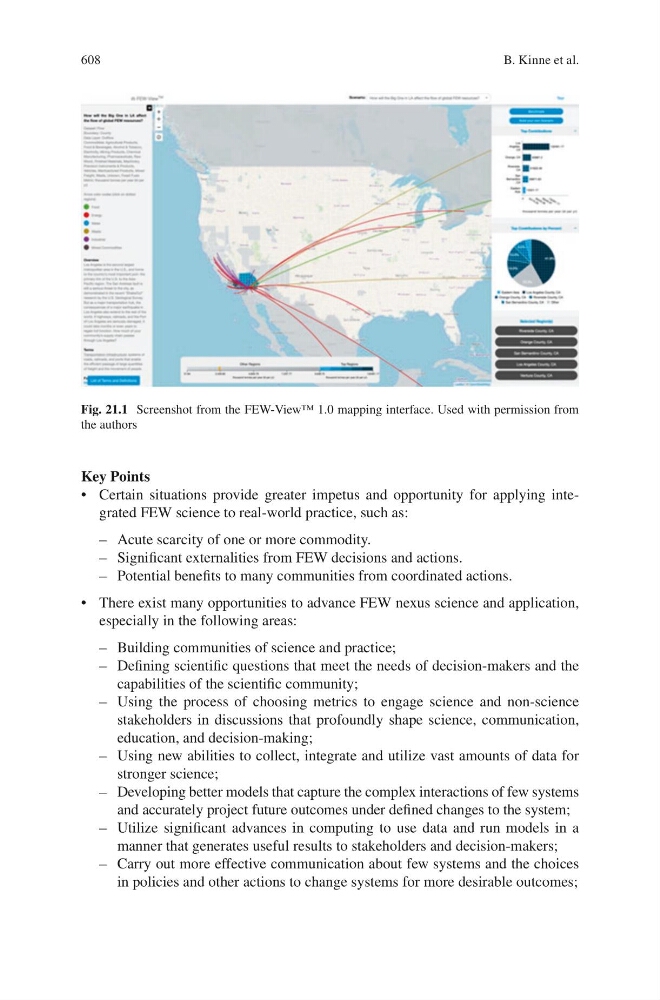
Fig. 21.1 Screenshot from the FEW-View™ 1.0 mapping interface. Used with permission from
the authors
B. Kinne et al.