

574
20.3.6 Arbitration
In contrast to mediation, arbitration involves the use of a neutral third party or
panel to make a decision about a dispute. Sometimes called private judging, arbitration is an adjudicative form of resolution where an arbitrator renders a final decision
on a dispute between the parties. This decision is legally binding and is often used
in contract disputes (Fowler and Shi 2016). The use of arbitration is also heavily
used in international energy disputes, which may have significant consequences for
national or international energy policy. At the end of 2016, an estimated 42% of all
arbitration cases handled by one firm arose from the energy sector, with the “Energy
Charter Treaty” (see treaties below) the “most frequently invoked international
investment agreement” (Kluwer Arbitration Blog 2018). (For more on the Energy
Charter Treaty, see discussion in Sect. 7.4.1.)
Billions of dollars are being decided in international arbitration decisions, often
in ways that are opaque to policymakers. Decisions made in arbitration usually cannot be appealed or reviewed by any other body. Like other decisions made by actors
throughout the FEW system, a decision made in arbitration about one case can ripple through the system. For example, after changes in various tax and regulatory
incentives, the Czech Republic and Spain faced claims from investors in the solar
sector and Poland from investors in the renewable energy sector (Franzetti 2017).
After Germany decided to stop using nuclear power production after the 2011
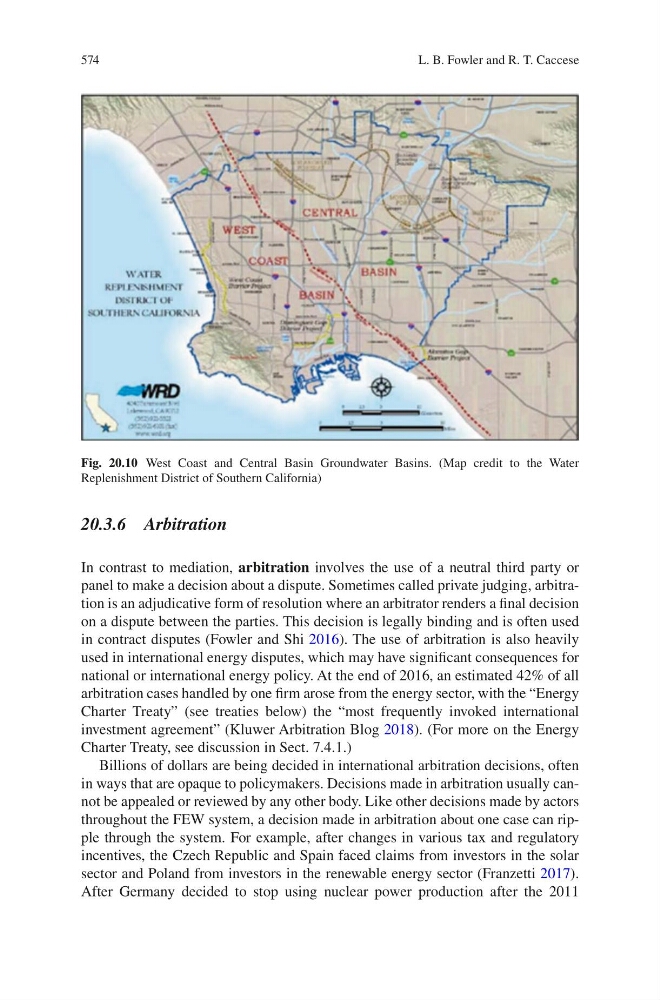
Fig. 20.10 West Coast and Central Basin Groundwater Basins. (Map credit to the Water
Replenishment District of Southern California)
L. B. Fowler and R. T. Caccese
20.3.6 Arbitration
In contrast to mediation, arbitration involves the use of a neutral third party or
panel to make a decision about a dispute. Sometimes called private judging, arbitration is an adjudicative form of resolution where an arbitrator renders a final decision
on a dispute between the parties. This decision is legally binding and is often used
in contract disputes (Fowler and Shi 2016). The use of arbitration is also heavily
used in international energy disputes, which may have significant consequences for
national or international energy policy. At the end of 2016, an estimated 42% of all
arbitration cases handled by one firm arose from the energy sector, with the “Energy
Charter Treaty” (see treaties below) the “most frequently invoked international
investment agreement” (Kluwer Arbitration Blog 2018). (For more on the Energy
Charter Treaty, see discussion in Sect. 7.4.1.)
Billions of dollars are being decided in international arbitration decisions, often
in ways that are opaque to policymakers. Decisions made in arbitration usually cannot be appealed or reviewed by any other body. Like other decisions made by actors
throughout the FEW system, a decision made in arbitration about one case can ripple through the system. For example, after changes in various tax and regulatory
incentives, the Czech Republic and Spain faced claims from investors in the solar
sector and Poland from investors in the renewable energy sector (Franzetti 2017).
After Germany decided to stop using nuclear power production after the 2011
Fig. 20.10 West Coast and Central Basin Groundwater Basins. (Map credit to the Water
Replenishment District of Southern California)
L. B. Fowler and R. T. Caccese