

571
create a sustainable, long-term vision for Louisiana by combining local, state, and
federal entities with various stakeholders and citizens to rethink Louisiana’s future.
The ultimate product was a fifty (50) year growth plan focused on planning at the
building, neighborhood, parish, and regional scale (Center for Planning Excellence
2016) (see also previous chapters that address “scale”).
This final plan relied heavily upon the public participation at workshops, notably
citizens’ opinions, concerns, and ideas for new management. The open public process resulted in over 1,000 workshops over 25,000 square miles with more than
27,000 people participating in various ways.
Responses were dominated by the need to restore coastal wetlands and regional
infrastructure while reinventing historic communities. The Louisiana Recovery
Authority used this engagement to create a comprehensive regional plan in 2007
focused on three main vision areas: sustainable recovery, smarter growth, and
regional focus (Louisiana Recovery Authority 2007). Ultimately, the plan became
the leading recovery, redevelopment, and planning effort in US history (Center for
Planning Excellence 2016).
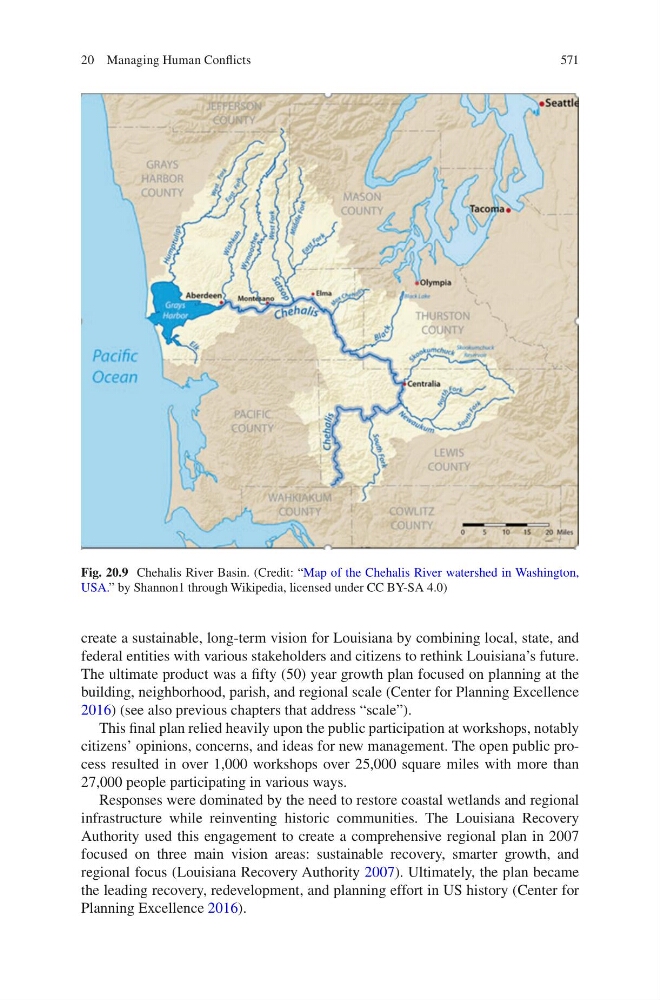
Fig. 20.9 Chehalis River Basin. (Credit: “Map of the Chehalis River watershed in Washington,
USA.” by Shannon1 through Wikipedia, licensed under CC BY-SA 4.0)
20 Managing Human Conflicts
create a sustainable, long-term vision for Louisiana by combining local, state, and
federal entities with various stakeholders and citizens to rethink Louisiana’s future.
The ultimate product was a fifty (50) year growth plan focused on planning at the
building, neighborhood, parish, and regional scale (Center for Planning Excellence
2016) (see also previous chapters that address “scale”).
This final plan relied heavily upon the public participation at workshops, notably
citizens’ opinions, concerns, and ideas for new management. The open public process resulted in over 1,000 workshops over 25,000 square miles with more than
27,000 people participating in various ways.
Responses were dominated by the need to restore coastal wetlands and regional
infrastructure while reinventing historic communities. The Louisiana Recovery
Authority used this engagement to create a comprehensive regional plan in 2007
focused on three main vision areas: sustainable recovery, smarter growth, and
regional focus (Louisiana Recovery Authority 2007). Ultimately, the plan became
the leading recovery, redevelopment, and planning effort in US history (Center for
Planning Excellence 2016).
Fig. 20.9 Chehalis River Basin. (Credit: “Map of the Chehalis River watershed in Washington,
USA.” by Shannon1 through Wikipedia, licensed under CC BY-SA 4.0)
20 Managing Human Conflicts