

560
to fish toward the Botswana side of the river or from the island itself. As a result,
several Namibians were shot by the Botswana army or arrested for fishing illegally
(Kings 2016).
Elsewhere, widespread drought affected much of northeastern Brazil from
2012–2017. This impacted agriculture, biofuel crops, and reservoirs used for water
supply and energy production. In 2014, Brazil’s largest city with a population of 20
million people, São Paulo, had less than 20 days water supply and a reservoir 97%
empty. While rain solved the immediate issue, deforestation in the Amazon may
exacerbate drought and continue to impact the city and country’s water supply
(Ritter 2018). See also Sect. 19.3 on the Amazon River Basin for a more in-depth
discussion.
For rapidly developing countries in Asia, energy development can present problems for food and water sectors. Water demands for dams and fossil fuel sources
often coincide with an increasing population. However, as water availability (i.e.,
surface streams, groundwater aquifers) becomes strained across sectors, food production may be at risk because of competing demand from the energy industry.
These are big issues in both China and India. On a smaller scale, this has also been
the case in Sri Lanka, a small island nation that depends on hydropower for its electricity. The recent drought forced electricity to be generated from coal and oil
sources, with hydropower contributing about 10% compared to the normal 40%.
Drought also dropped paddy rice production from 800,000 to 300,000 hectares due
to lacking irrigation water (Perera 2017). Reservoir levels were only a third full and
restrictions were in place to only allow withdrawal for drinking purposes.
These types of issues are playing out all over the world, with underlying dynamics in any given region made tenser by extremes in weather conditions: drought,
floods, heat, intense storms, and so on.
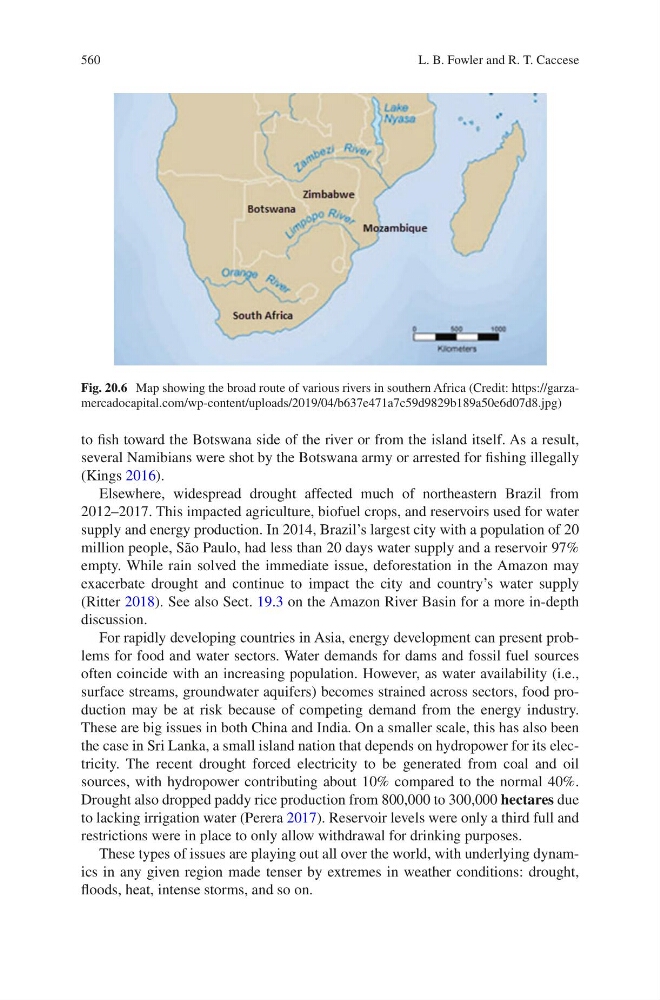
Fig. 20.6 Map showing the broad route of various rivers in southern Africa (Credit: https://garzamercadocapital.com/wp-content/uploads/2019/04/b637e471a7c59d9829b189a50e6d07d8.jpg)
L. B. Fowler and R. T. Caccese
to fish toward the Botswana side of the river or from the island itself. As a result,
several Namibians were shot by the Botswana army or arrested for fishing illegally
(Kings 2016).
Elsewhere, widespread drought affected much of northeastern Brazil from
2012–2017. This impacted agriculture, biofuel crops, and reservoirs used for water
supply and energy production. In 2014, Brazil’s largest city with a population of 20
million people, São Paulo, had less than 20 days water supply and a reservoir 97%
empty. While rain solved the immediate issue, deforestation in the Amazon may
exacerbate drought and continue to impact the city and country’s water supply
(Ritter 2018). See also Sect. 19.3 on the Amazon River Basin for a more in-depth
discussion.
For rapidly developing countries in Asia, energy development can present problems for food and water sectors. Water demands for dams and fossil fuel sources
often coincide with an increasing population. However, as water availability (i.e.,
surface streams, groundwater aquifers) becomes strained across sectors, food production may be at risk because of competing demand from the energy industry.
These are big issues in both China and India. On a smaller scale, this has also been
the case in Sri Lanka, a small island nation that depends on hydropower for its electricity. The recent drought forced electricity to be generated from coal and oil
sources, with hydropower contributing about 10% compared to the normal 40%.
Drought also dropped paddy rice production from 800,000 to 300,000 hectares due
to lacking irrigation water (Perera 2017). Reservoir levels were only a third full and
restrictions were in place to only allow withdrawal for drinking purposes.
These types of issues are playing out all over the world, with underlying dynamics in any given region made tenser by extremes in weather conditions: drought,
floods, heat, intense storms, and so on.
Fig. 20.6 Map showing the broad route of various rivers in southern Africa (Credit: https://garzamercadocapital.com/wp-content/uploads/2019/04/b637e471a7c59d9829b189a50e6d07d8.jpg)
L. B. Fowler and R. T. Caccese