

415
15.3.1 Food–Energy
In the USA, legal mandates for biofuels (see Sects. 5.2.1 and 8.2.1) have resulted in
land use change that has outpaced agricultural and biofuel policies. For instance, the
conversion of almost 40% of the US corn crop to energy production has shifted land
and water resources from food to energy and contributed to high crop prices. These
bioenergy-influenced economic and resource pressures have led to riskier growing
practices in many regions, with reduced crop rotation, increasing tendencies towards
monoculture, and more crops being planted on erosion-prone or ecologically sensitive land.
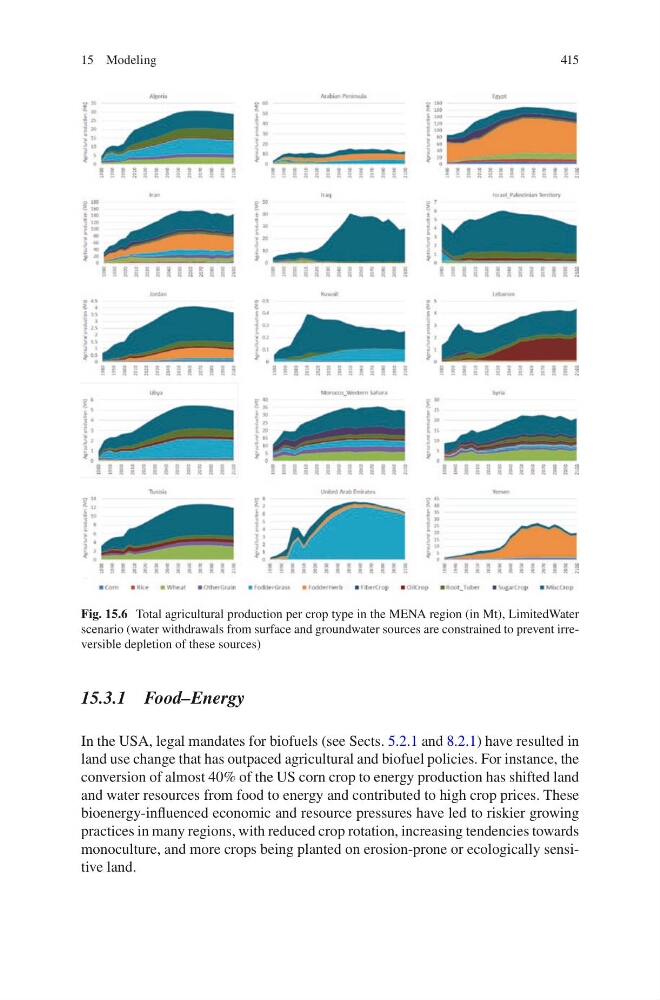
Fig. 15.6 Total agricultural production per crop type in the MENA region (in Mt), LimitedWater
scenario (water withdrawals from surface and groundwater sources are constrained to prevent irreversible depletion of these sources)
15 Modeling
15.3.1 Food–Energy
In the USA, legal mandates for biofuels (see Sects. 5.2.1 and 8.2.1) have resulted in
land use change that has outpaced agricultural and biofuel policies. For instance, the
conversion of almost 40% of the US corn crop to energy production has shifted land
and water resources from food to energy and contributed to high crop prices. These
bioenergy-influenced economic and resource pressures have led to riskier growing
practices in many regions, with reduced crop rotation, increasing tendencies towards
monoculture, and more crops being planted on erosion-prone or ecologically sensitive land.
Fig. 15.6 Total agricultural production per crop type in the MENA region (in Mt), LimitedWater
scenario (water withdrawals from surface and groundwater sources are constrained to prevent irreversible depletion of these sources)
15 Modeling