

411
15.2.4 Integrated FEW System Modeling Approaches
In response to the need for an integrated analytical approach across sectors, a new
generation of FEW system modeling tools and approaches are being developed that
include representations of food, energy, and water systems. For example, Integrated
Assessment Models (IAMs) have been enhanced over the last decade to include
interacting representations of FEW systems.
The IAM approach has recently included the ability to telescope-in on particular
regions or sectors in greater detail, allowing for regional integrated assessment
linked to national or even global integrated analysis (Zhou et al. 2014; Liu et al.
2015a). These advances make IAMs a promising platform for bringing together
decision-makers across sectors and levels of decision-making. Other FEW systems
modeling approaches are focused on enhancing and coupling individual food,
energy, and water system models to analyze the integrated FEW systems. In such
model architectures, the initial state of the land/water use system, and a set of relevant exogenous forcings drive climate, agricultural, and hydro system models, to
predict fine-scale climate, crop, and water responses. The agronomic responses,
through scale-aware coupling, feed bio-hydro-economic system models, including
agricultural to assess the consequences on resources management and economics at
farm, regional and national scales. Some examples of these integrated modeling
tools are described in this chapter.
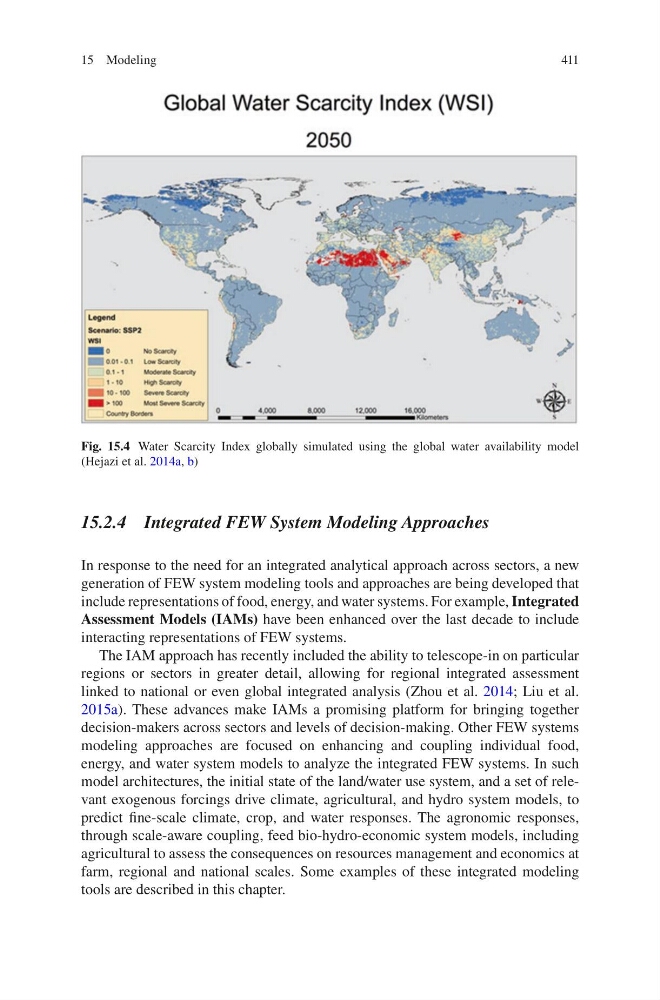
Fig. 15.4 Water Scarcity Index globally simulated using the global water availability model
(Hejazi et al. 2014a, b)
15 Modeling
15.2.4 Integrated FEW System Modeling Approaches
In response to the need for an integrated analytical approach across sectors, a new
generation of FEW system modeling tools and approaches are being developed that
include representations of food, energy, and water systems. For example, Integrated
Assessment Models (IAMs) have been enhanced over the last decade to include
interacting representations of FEW systems.
The IAM approach has recently included the ability to telescope-in on particular
regions or sectors in greater detail, allowing for regional integrated assessment
linked to national or even global integrated analysis (Zhou et al. 2014; Liu et al.
2015a). These advances make IAMs a promising platform for bringing together
decision-makers across sectors and levels of decision-making. Other FEW systems
modeling approaches are focused on enhancing and coupling individual food,
energy, and water system models to analyze the integrated FEW systems. In such
model architectures, the initial state of the land/water use system, and a set of relevant exogenous forcings drive climate, agricultural, and hydro system models, to
predict fine-scale climate, crop, and water responses. The agronomic responses,
through scale-aware coupling, feed bio-hydro-economic system models, including
agricultural to assess the consequences on resources management and economics at
farm, regional and national scales. Some examples of these integrated modeling
tools are described in this chapter.
Fig. 15.4 Water Scarcity Index globally simulated using the global water availability model
(Hejazi et al. 2014a, b)
15 Modeling