

17
system when the output of a process is connected
to the input, i.e. it has an effect on the system
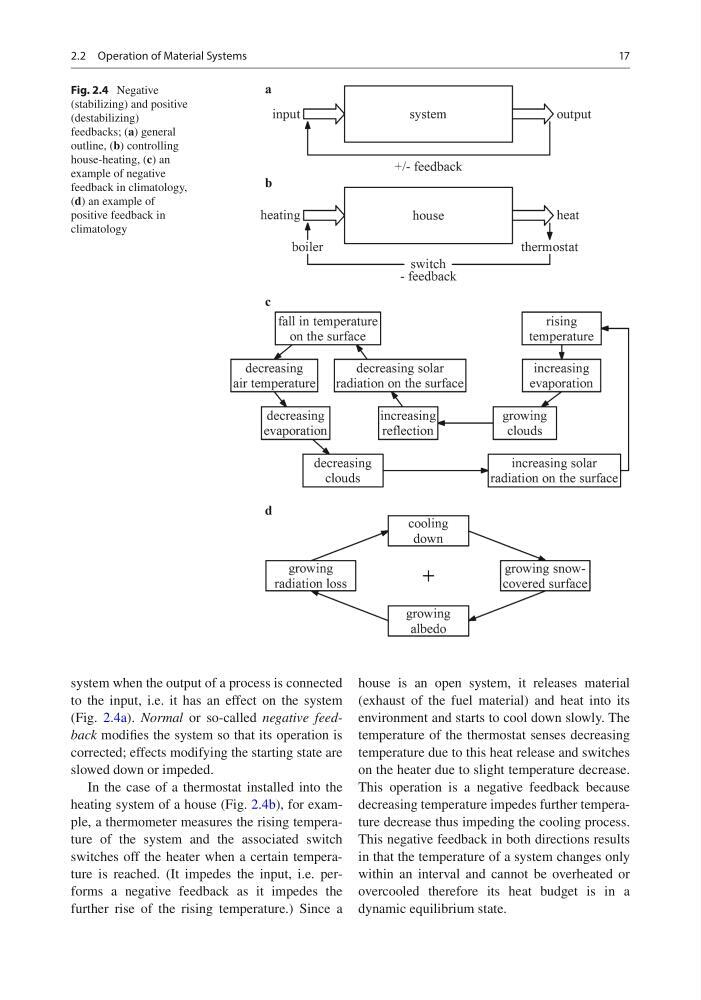
(Fig. 2.4a). Normal or so-called negative feedback modifies the system so that its operation is
corrected; effects modifying the starting state are
slowed down or impeded.
In the case of a thermostat installed into the
heating system of a house (Fig. 2.4b), for example, a thermometer measures the rising temperature of the system and the associated switch
switches off the heater when a certain temperature is reached. (It impedes the input, i.e. performs a negative feedback as it impedes the
further rise of the rising temperature.) Since a
house is an open system, it releases material
(exhaust of the fuel material) and heat into its
environment and starts to cool down slowly. The
temperature of the thermostat senses decreasing
temperature due to this heat release and switches
on the heater due to slight temperature decrease.
This operation is a negative feedback because
decreasing temperature impedes further temperature decrease thus impeding the cooling process.
This negative feedback in both directions results
in that the temperature of a system changes only
within an interval and cannot be overheated or
overcooled therefore its heat budget is in a
dynamic equilibrium state.
Fig. 2.4 Negative
(stabilizing) and positive
(destabilizing)
feedbacks; (a) general
outline, (b) controlling
house-heating, (c) an
example of negative
feedback in climatology,
(d) an example of
positive feedback in
climatology
2.2 Operation of Material Systems
system when the output of a process is connected
to the input, i.e. it has an effect on the system
(Fig. 2.4a). Normal or so-called negative feedback modifies the system so that its operation is
corrected; effects modifying the starting state are
slowed down or impeded.
In the case of a thermostat installed into the
heating system of a house (Fig. 2.4b), for example, a thermometer measures the rising temperature of the system and the associated switch
switches off the heater when a certain temperature is reached. (It impedes the input, i.e. performs a negative feedback as it impedes the
further rise of the rising temperature.) Since a
house is an open system, it releases material
(exhaust of the fuel material) and heat into its
environment and starts to cool down slowly. The
temperature of the thermostat senses decreasing
temperature due to this heat release and switches
on the heater due to slight temperature decrease.
This operation is a negative feedback because
decreasing temperature impedes further temperature decrease thus impeding the cooling process.
This negative feedback in both directions results
in that the temperature of a system changes only
within an interval and cannot be overheated or
overcooled therefore its heat budget is in a
dynamic equilibrium state.
Fig. 2.4 Negative
(stabilizing) and positive
(destabilizing)
feedbacks; (a) general
outline, (b) controlling
house-heating, (c) an
example of negative
feedback in climatology,
(d) an example of
positive feedback in
climatology
2.2 Operation of Material Systems