

12
Even systems could be connected to each
other (this is typical for environmental systems)
and several systems may form a greater unit. This
is called complex system while the constituent
systems that cannot be divided further are called
simple systems. To a certain extent it is a question
of view what is considered a simple system. The
organism of a mammal, for example, is rather
complex and its operation is complicated but in
the organisational level above individuals it cannot be regarded even a simple system as it is a
single constituent of a simple ecological system.
Even complex systems could be constituents
of an even more complex system forming multiple complex systems (Fig. 2.2). The systems
forming complex and multiple complex systems
are called subsystems (rarely partial systems)
from a given study point of view. The same system therefore—depending on the aim of the
given study—can be treated as either a complex
system or a subsystem. Not only the number of
elements increases from simple to multiple complex systems but that of the connections between
them as well (Fig. 2.2). System hierarchy can be
detected in both nature and the society: e.g. from
simple ecological systems to the biosphere or in
the society from families through different social
groups to the nation.
According to the type of the elements composing a system, material and mental systems can be
identified.
Material systems are composed of physically,
chemically or biologically well-defined material
objects (system elements) and energy is required
for their operation. The higher the organisational
level of the material composing the system is the
greater the significance of the information flow
appearing besides material and energy flows will
be regarding the operation of the system. In living organisms and also at the organisational level
higher than individuals (in ecological systems)
DNA is the most important information carrier.
Recent research revealed that other type of information flow (communication) is also present
among living beings (especially among animals
belonging to one species and living in groups). In
social systems outside biological systems deliberately recorded information (views expressed
with concepts, figures, numbers) represent even
higher levels.
Based on the above, material systems can be
classified as follows according to the organisational level of the material:
• Physical systems,
• Chemical systems,
• Biological systems:
– Organisational level lower than individuals
(living beings)
– Organisational level higher than individuals (supraindividual) (associations of living
beings),
• Social systems (composed jointly by material
and mental systems).
Generally, there are no “clean” (single organisational level) material systems on Earth. At first
glance we may consider the movements, changes
of the internal spheres of our planet as a “clean”
physical system, however, the plate tectonic system formed as a result of the characteristics of the
internal systems is also similar. Studying the processes in the geosphere in more detail, however,
chemical reactions, changes cannot be ignored.
The situation is even more complex in the biosphere which operates via interactions of the
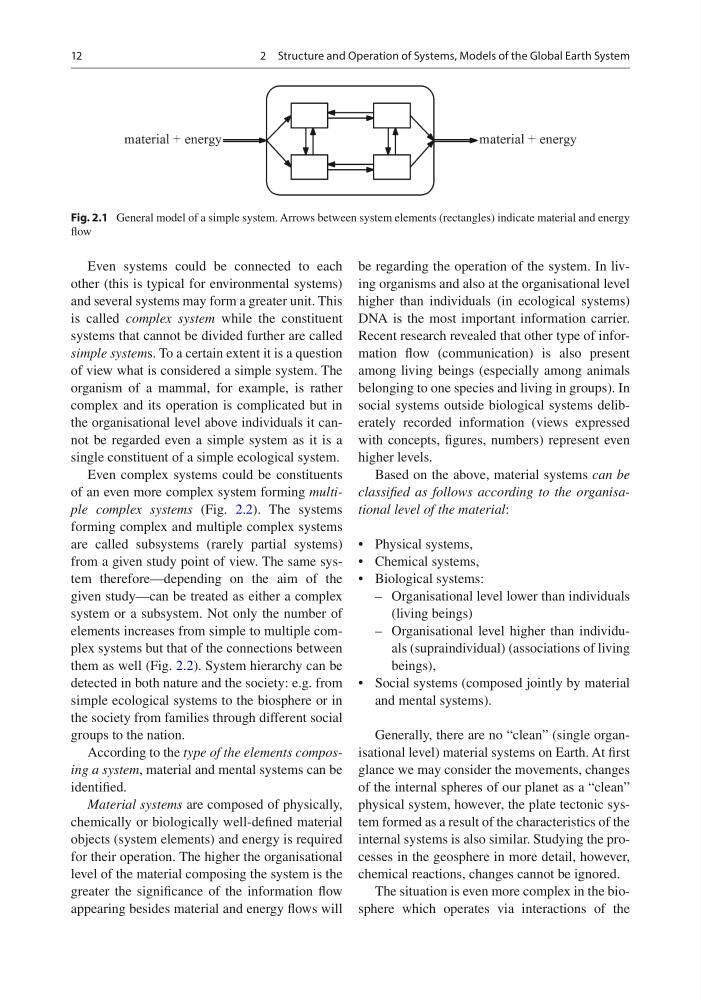
Fig. 2.1 General model of a simple system. Arrows between system elements (rectangles) indicate material and energy
flow
2 Structure and Operation of Systems, Models of the Global Earth System
Even systems could be connected to each
other (this is typical for environmental systems)
and several systems may form a greater unit. This
is called complex system while the constituent
systems that cannot be divided further are called
simple systems. To a certain extent it is a question
of view what is considered a simple system. The
organism of a mammal, for example, is rather
complex and its operation is complicated but in
the organisational level above individuals it cannot be regarded even a simple system as it is a
single constituent of a simple ecological system.
Even complex systems could be constituents
of an even more complex system forming multiple complex systems (Fig. 2.2). The systems
forming complex and multiple complex systems
are called subsystems (rarely partial systems)
from a given study point of view. The same system therefore—depending on the aim of the
given study—can be treated as either a complex
system or a subsystem. Not only the number of
elements increases from simple to multiple complex systems but that of the connections between
them as well (Fig. 2.2). System hierarchy can be
detected in both nature and the society: e.g. from
simple ecological systems to the biosphere or in
the society from families through different social
groups to the nation.
According to the type of the elements composing a system, material and mental systems can be
identified.
Material systems are composed of physically,
chemically or biologically well-defined material
objects (system elements) and energy is required
for their operation. The higher the organisational
level of the material composing the system is the
greater the significance of the information flow
appearing besides material and energy flows will
be regarding the operation of the system. In living organisms and also at the organisational level
higher than individuals (in ecological systems)
DNA is the most important information carrier.
Recent research revealed that other type of information flow (communication) is also present
among living beings (especially among animals
belonging to one species and living in groups). In
social systems outside biological systems deliberately recorded information (views expressed
with concepts, figures, numbers) represent even
higher levels.
Based on the above, material systems can be
classified as follows according to the organisational level of the material:
• Physical systems,
• Chemical systems,
• Biological systems:
– Organisational level lower than individuals
(living beings)
– Organisational level higher than individuals (supraindividual) (associations of living
beings),
• Social systems (composed jointly by material
and mental systems).
Generally, there are no “clean” (single organisational level) material systems on Earth. At first
glance we may consider the movements, changes
of the internal spheres of our planet as a “clean”
physical system, however, the plate tectonic system formed as a result of the characteristics of the
internal systems is also similar. Studying the processes in the geosphere in more detail, however,
chemical reactions, changes cannot be ignored.
The situation is even more complex in the biosphere which operates via interactions of the
Fig. 2.1 General model of a simple system. Arrows between system elements (rectangles) indicate material and energy
flow
2 Structure and Operation of Systems, Models of the Global Earth System