

96
rise to 70 billion tonnes. Since most of the easily
accessible and richer sites have been mined more
waste rock has to be moved from generally greater
depths to maintain and increase the level of raw
material supply. The waste material produced by
certain mines includes tailings, i.e. mixtures of
crushed rock and processing fluids from mills,
washeries and concentrators in which minerals,
mineral fuels and other potentially hazardous contaminants may remain (Kobayashi et al. 2014).
The above shift in mining results in a rapidly
growing global footprint of mining industries.
Small-scale mining presents another set of
problems. It is widespread, and especially in
developing countries it is often illicit and thus
unregulated. As a result, it frequently causes high
level of pollution. For example, uncontrolled use
of cyanide and mercury in gold extraction results
in the fact that small-scale mining is the world’s
largest source of mercury pollution.
The impacts of mining, whether industrial or
small-scale, are far reaching. Land clearing,
including deforestation and large-scale removal
of vegetation and soil cover, is inevitable in the
earliest preparatory phases of mining and typically expands over the operational lifetime of a
mine. Immediate consequences are habitat fragmentation and destruction, biodiversity loss and
disturbance of regulating ecosystem services
such as water retention, filtering and soil erosion
control. Certain more recent mines try to reduce
such impact by continuously refilling the abandoned parts of the mine with the waste material
exploited covering their surface with the spared
original soil removed when the exploitation of
the raw material was started. This is feasible in
relatively fast operating mines, where, for example, large stripes of lignite are excavated while
the excavator refills the formerly excavated
stripes where full excavation was already completed (Liu et al. 2017). This cut and fill mining
reduces the time spent of the valuable soil in
some kind of a storage and thus may help the soil
to retain its most important abilities for moisture
regime and nutrient supply.
Once mining sites enter active mining operation, vast material extraction, movement and redeposition of overburden, waste rock and
commodity materials generate the most massive
waste stream of all industries. At this stage typically high water demands and use of chemicals
for on-site mineral pre-processing, purification
and concentration add significantly to the environmental burden of the mining operation on and
near the site.
Deep excavation of overburden and ore
removal requires lowering the water table in the
wider mining area. This leads to the depletion,
hydraulic disturbance and contamination of existing water resources, both surface water and
groundwater, which poses a substantial threat to
all ecosystems. Large volumes of water are
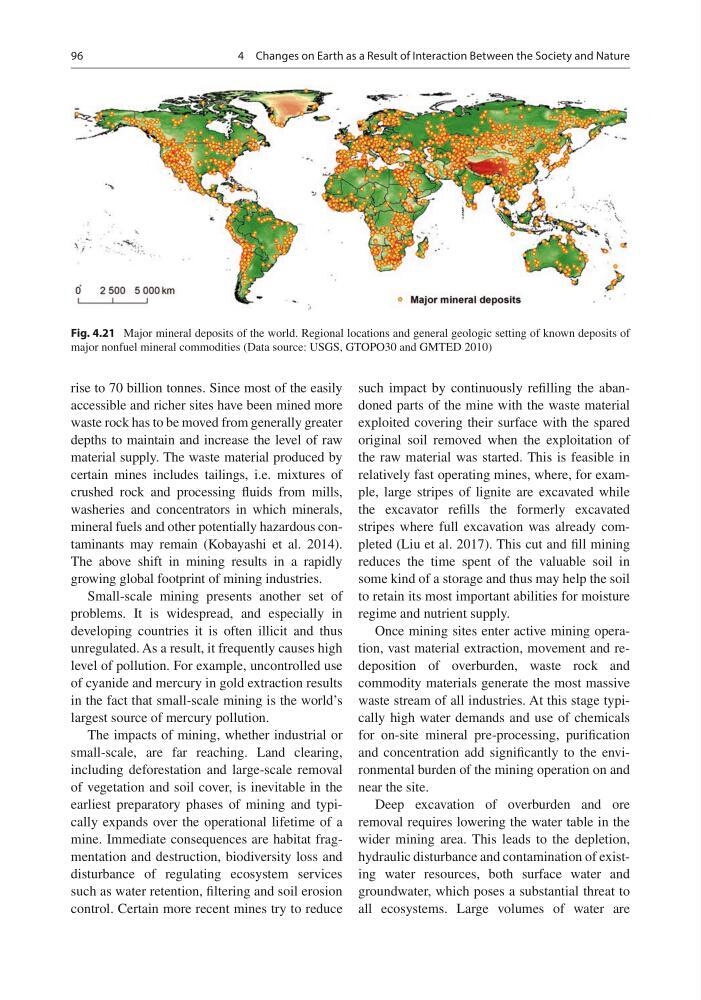
Fig. 4.21 Major mineral deposits of the world. Regional locations and general geologic setting of known deposits of
major nonfuel mineral commodities (Data source: USGS, GTOPO30 and GMTED 2010)
4 Changes on Earth as a Result of Interaction Between the Society and Nature
rise to 70 billion tonnes. Since most of the easily
accessible and richer sites have been mined more
waste rock has to be moved from generally greater
depths to maintain and increase the level of raw
material supply. The waste material produced by
certain mines includes tailings, i.e. mixtures of
crushed rock and processing fluids from mills,
washeries and concentrators in which minerals,
mineral fuels and other potentially hazardous contaminants may remain (Kobayashi et al. 2014).
The above shift in mining results in a rapidly
growing global footprint of mining industries.
Small-scale mining presents another set of
problems. It is widespread, and especially in
developing countries it is often illicit and thus
unregulated. As a result, it frequently causes high
level of pollution. For example, uncontrolled use
of cyanide and mercury in gold extraction results
in the fact that small-scale mining is the world’s
largest source of mercury pollution.
The impacts of mining, whether industrial or
small-scale, are far reaching. Land clearing,
including deforestation and large-scale removal
of vegetation and soil cover, is inevitable in the
earliest preparatory phases of mining and typically expands over the operational lifetime of a
mine. Immediate consequences are habitat fragmentation and destruction, biodiversity loss and
disturbance of regulating ecosystem services
such as water retention, filtering and soil erosion
control. Certain more recent mines try to reduce
such impact by continuously refilling the abandoned parts of the mine with the waste material
exploited covering their surface with the spared
original soil removed when the exploitation of
the raw material was started. This is feasible in
relatively fast operating mines, where, for example, large stripes of lignite are excavated while
the excavator refills the formerly excavated
stripes where full excavation was already completed (Liu et al. 2017). This cut and fill mining
reduces the time spent of the valuable soil in
some kind of a storage and thus may help the soil
to retain its most important abilities for moisture
regime and nutrient supply.
Once mining sites enter active mining operation, vast material extraction, movement and redeposition of overburden, waste rock and
commodity materials generate the most massive
waste stream of all industries. At this stage typically high water demands and use of chemicals
for on-site mineral pre-processing, purification
and concentration add significantly to the environmental burden of the mining operation on and
near the site.
Deep excavation of overburden and ore
removal requires lowering the water table in the
wider mining area. This leads to the depletion,
hydraulic disturbance and contamination of existing water resources, both surface water and
groundwater, which poses a substantial threat to
all ecosystems. Large volumes of water are
Fig. 4.21 Major mineral deposits of the world. Regional locations and general geologic setting of known deposits of
major nonfuel mineral commodities (Data source: USGS, GTOPO30 and GMTED 2010)
4 Changes on Earth as a Result of Interaction Between the Society and Nature