

Foodborne Animal Parasites 685
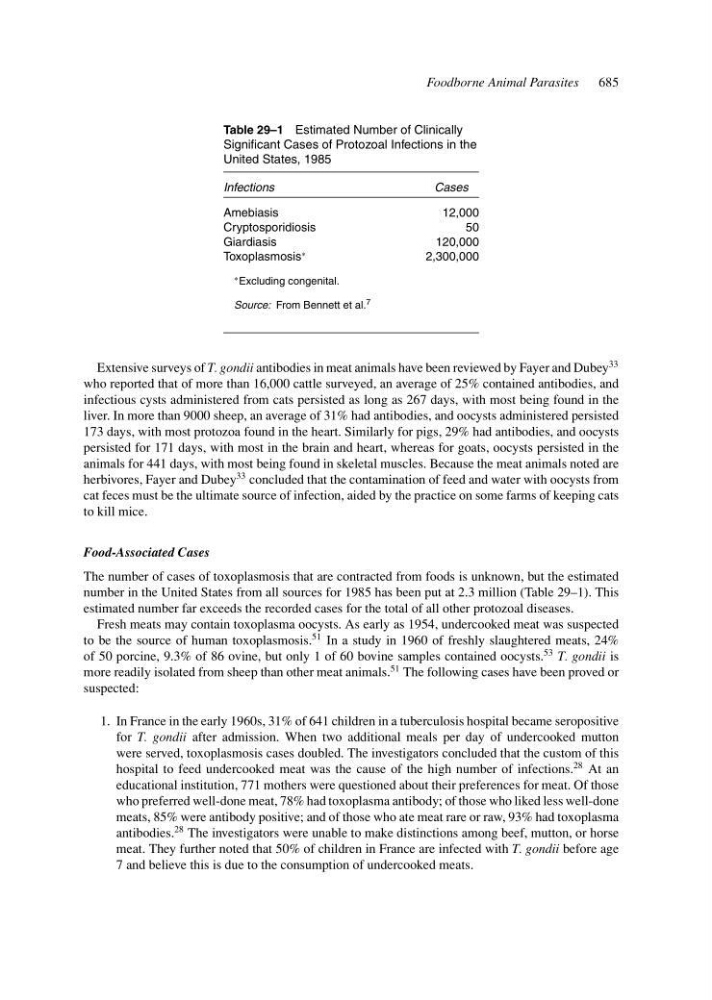
Table 29–1 Estimated Number of Clinically
Significant Cases of Protozoal Infections in the
United States, 1985
Infections
Cases
Amebiasis
12,000
Cryptosporidiosis
50
Giardiasis
120,000
Toxoplasmosis
∗
2,300,000
∗ Excluding congenital.
Source: From Bennett et al. 7
Extensive surveys of T. gondii antibodies in meat animals have been reviewed by Fayer and Dubey
33
who reported that of more than 16,000 cattle surveyed, an average of 25% contained antibodies, and
infectious cysts administered from cats persisted as long as 267 days, with most being found in the
liver. In more than 9000 sheep, an average of 31% had antibodies, and oocysts administered persisted
173 days, with most protozoa found in the heart. Similarly for pigs, 29% had antibodies, and oocysts
persisted for 171 days, with most in the brain and heart, whereas for goats, oocysts persisted in the
animals for 441 days, with most being found in skeletal muscles. Because the meat animals noted are
herbivores, Fayer and Dubey
33 concluded that the contamination of feed and water with oocysts from
cat feces must be the ultimate source of infection, aided by the practice on some farms of keeping cats
to kill mice.
Food-Associated Cases
The number of cases of toxoplasmosis that are contracted from foods is unknown, but the estimated
number in the United States from all sources for 1985 has been put at 2.3 million (Table 29–1). This
estimated number far exceeds the recorded cases for the total of all other protozoal diseases.
Fresh meats may contain toxoplasma oocysts. As early as 1954, undercooked meat was suspected
to be the source of human toxoplasmosis.
51 In a study in 1960 of freshly slaughtered meats, 24%
of 50 porcine, 9.3% of 86 ovine, but only 1 of 60 bovine samples contained oocysts.
53 T. gondii is
more readily isolated from sheep than other meat animals.
51 The following cases have been proved or
suspected:
1. In France in the early 1960s, 31% of 641 children in a tuberculosis hospital became seropositive
for T. gondii after admission. When two additional meals per day of undercooked mutton
were served, toxoplasmosis cases doubled. The investigators concluded that the custom of this
hospital to feed undercooked meat was the cause of the high number of infections.
28 At an
educational institution, 771 mothers were questioned about their preferences for meat. Of those
who preferred well-done meat, 78% had toxoplasma antibody; of those who liked less well-done
meats, 85% were antibody positive; and of those who ate meat rare or raw, 93% had toxoplasma
antibodies.
28 The investigators were unable to make distinctions among beef, mutton, or horse
meat. They further noted that 50% of children in France are infected with T. gondii before age
7 and believe this is due to the consumption of undercooked meats.