

The HACCP and FSO Systems for Food Safety 501
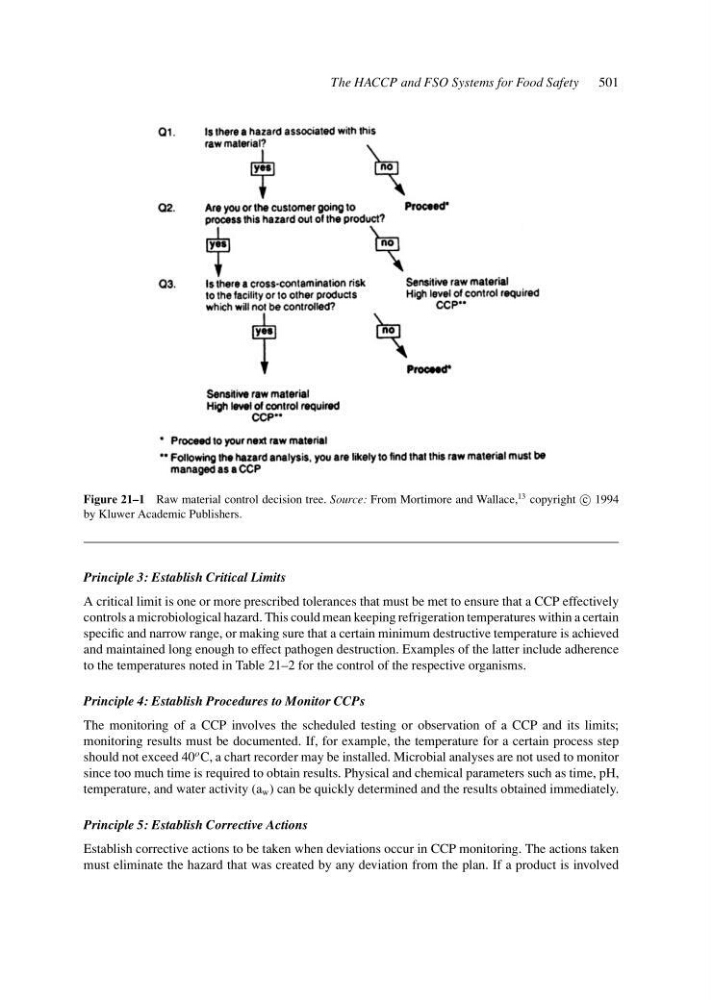
Figure 21–1 Raw material control decision tree. Source: From Mortimore and Wallace,
13 copyright c
1994
by Kluwer Academic Publishers.
Principle 3: Establish Critical Limits
A critical limit is one or more prescribed tolerances that must be met to ensure that a CCP effectively
controls a microbiological hazard. This could mean keeping refrigeration temperatures within a certain
specific and narrow range, or making sure that a certain minimum destructive temperature is achieved
and maintained long enough to effect pathogen destruction. Examples of the latter include adherence
to the temperatures noted in Table 21–2 for the control of the respective organisms.
Principle 4: Establish Procedures to Monitor CCPs
The monitoring of a CCP involves the scheduled testing or observation of a CCP and its limits;
monitoring results must be documented. If, for example, the temperature for a certain process step
should not exceed 40
o C, a chart recorder may be installed. Microbial analyses are not used to monitor
since too much time is required to obtain results. Physical and chemical parameters such as time, pH,
temperature, and water activity (a w ) can be quickly determined and the results obtained immediately.
Principle 5: Establish Corrective Actions
Establish corrective actions to be taken when deviations occur in CCP monitoring. The actions taken
must eliminate the hazard that was created by any deviation from the plan. If a product is involved
Figure 21–1 Raw material control decision tree. Source: From Mortimore and Wallace,
13 copyright c
1994
by Kluwer Academic Publishers.
Principle 3: Establish Critical Limits
A critical limit is one or more prescribed tolerances that must be met to ensure that a CCP effectively
controls a microbiological hazard. This could mean keeping refrigeration temperatures within a certain
specific and narrow range, or making sure that a certain minimum destructive temperature is achieved
and maintained long enough to effect pathogen destruction. Examples of the latter include adherence
to the temperatures noted in Table 21–2 for the control of the respective organisms.
Principle 4: Establish Procedures to Monitor CCPs
The monitoring of a CCP involves the scheduled testing or observation of a CCP and its limits;
monitoring results must be documented. If, for example, the temperature for a certain process step
should not exceed 40
o C, a chart recorder may be installed. Microbial analyses are not used to monitor
since too much time is required to obtain results. Physical and chemical parameters such as time, pH,
temperature, and water activity (a w ) can be quickly determined and the results obtained immediately.
Principle 5: Establish Corrective Actions
Establish corrective actions to be taken when deviations occur in CCP monitoring. The actions taken
must eliminate the hazard that was created by any deviation from the plan. If a product is involved