

Protection of Foods with Low-Temperatures
397
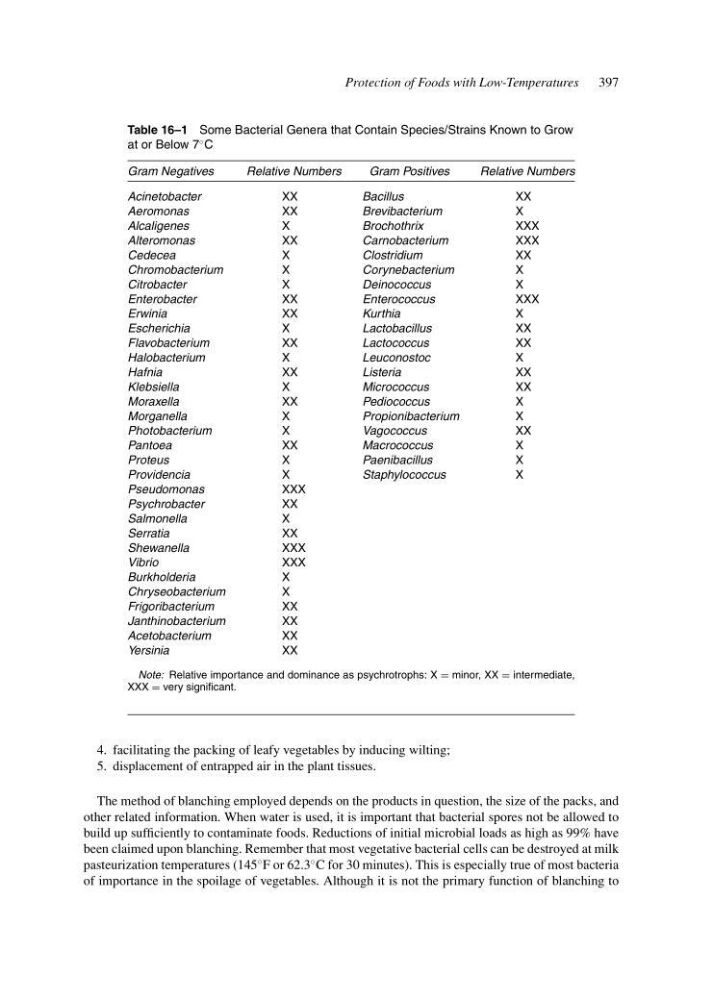
Table 16–1 Some Bacterial Genera that Contain Species/Strains Known to Grow
at or Below 7
◦ C
Gram Negatives
Relative Numbers
Gram Positives
Relative Numbers
Acinetobacter
XX
Bacillus
XX
Aeromonas
XX
Brevibacterium
X
Alcaligenes
X
Brochothrix
XXX
Alteromonas
XX
Carnobacterium
XXX
Cedecea
X
Clostridium
XX
Chromobacterium
X
Corynebacterium
X
Citrobacter
X
Deinococcus
X
Enterobacter
XX
Enterococcus
XXX
Erwinia
XX
Kurthia
X
Escherichia
X
Lactobacillus
XX
Flavobacterium
XX
Lactococcus
XX
Halobacterium
X
Leuconostoc
X
Hafnia
XX
Listeria
XX
Klebsiella
X
Micrococcus
XX
Moraxella
XX
Pediococcus
X
Morganella
X
Propionibacterium
X
Photobacterium
X
Vagococcus
XX
Pantoea
XX
Macrococcus
X
Proteus
X
Paenibacillus
X
Providencia
X
Staphylococcus
X
Pseudomonas
XXX
Psychrobacter
XX
Salmonella
X
Serratia
XX
Shewanella
XXX
Vibrio
XXX
Burkholderia
X
Chryseobacterium
X
Frigoribacterium
XX
Janthinobacterium
XX
Acetobacterium
XX
Yersinia
XX
Note: Relative importance and dominance as psychrotrophs: X = minor, XX = intermediate,
XXX = very significant.
4. facilitating the packing of leafy vegetables by inducing wilting;
5. displacement of entrapped air in the plant tissues.
The method of blanching employed depends on the products in question, the size of the packs, and
other related information. When water is used, it is important that bacterial spores not be allowed to
build up sufficiently to contaminate foods. Reductions of initial microbial loads as high as 99% have
been claimed upon blanching. Remember that most vegetative bacterial cells can be destroyed at milk
pasteurization temperatures (145
◦ F or 62.3
◦ C for 30 minutes). This is especially true of most bacteria
of importance in the spoilage of vegetables. Although it is not the primary function of blanching to
397
Table 16–1 Some Bacterial Genera that Contain Species/Strains Known to Grow
at or Below 7
◦ C
Gram Negatives
Relative Numbers
Gram Positives
Relative Numbers
Acinetobacter
XX
Bacillus
XX
Aeromonas
XX
Brevibacterium
X
Alcaligenes
X
Brochothrix
XXX
Alteromonas
XX
Carnobacterium
XXX
Cedecea
X
Clostridium
XX
Chromobacterium
X
Corynebacterium
X
Citrobacter
X
Deinococcus
X
Enterobacter
XX
Enterococcus
XXX
Erwinia
XX
Kurthia
X
Escherichia
X
Lactobacillus
XX
Flavobacterium
XX
Lactococcus
XX
Halobacterium
X
Leuconostoc
X
Hafnia
XX
Listeria
XX
Klebsiella
X
Micrococcus
XX
Moraxella
XX
Pediococcus
X
Morganella
X
Propionibacterium
X
Photobacterium
X
Vagococcus
XX
Pantoea
XX
Macrococcus
X
Proteus
X
Paenibacillus
X
Providencia
X
Staphylococcus
X
Pseudomonas
XXX
Psychrobacter
XX
Salmonella
X
Serratia
XX
Shewanella
XXX
Vibrio
XXX
Burkholderia
X
Chryseobacterium
X
Frigoribacterium
XX
Janthinobacterium
XX
Acetobacterium
XX
Yersinia
XX
Note: Relative importance and dominance as psychrotrophs: X = minor, XX = intermediate,
XXX = very significant.
4. facilitating the packing of leafy vegetables by inducing wilting;
5. displacement of entrapped air in the plant tissues.
The method of blanching employed depends on the products in question, the size of the packs, and
other related information. When water is used, it is important that bacterial spores not be allowed to
build up sufficiently to contaminate foods. Reductions of initial microbial loads as high as 99% have
been claimed upon blanching. Remember that most vegetative bacterial cells can be destroyed at milk
pasteurization temperatures (145
◦ F or 62.3
◦ C for 30 minutes). This is especially true of most bacteria
of importance in the spoilage of vegetables. Although it is not the primary function of blanching to