

Food Protection with Chemicals, and by Biocontrol 325
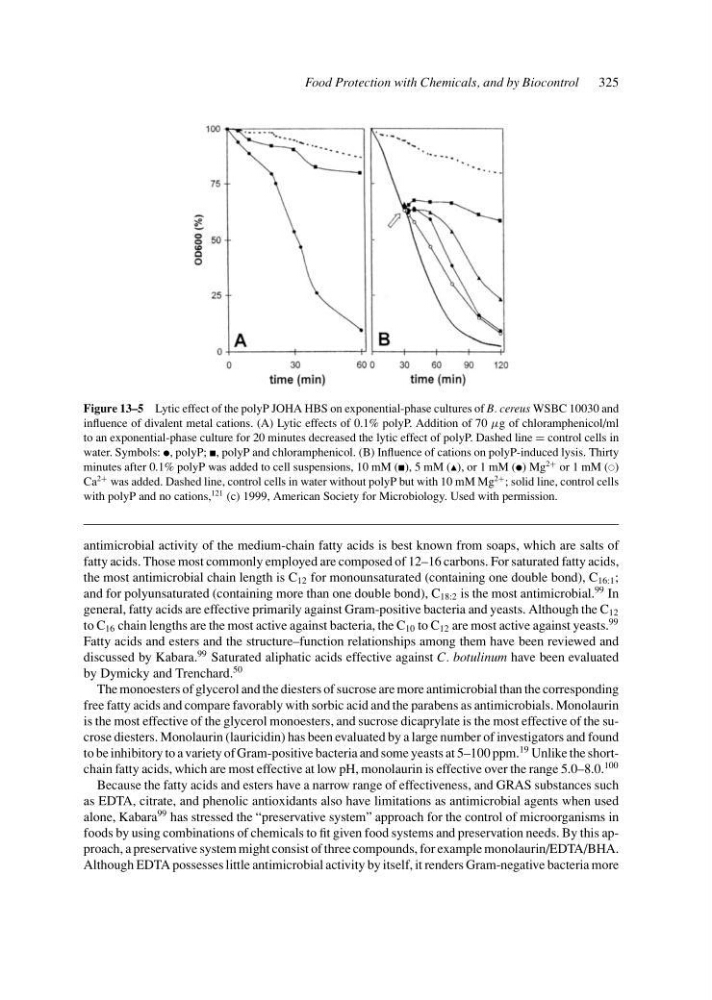
Figure 13–5 Lytic effect of the polyP JOHA HBS on exponential-phase cultures of B. cereus WSBC 10030 and
influence of divalent metal cations. (A) Lytic effects of 0.1% polyP. Addition of 70 µg of chloramphenicol/ml
to an exponential-phase culture for 20 minutes decreased the lytic effect of polyP. Dashed line = control cells in
water. Symbols: ᭹, polyP; , polyP and chloramphenicol. (B) Influence of cations on polyP-induced lysis. Thirty
minutes after 0.1% polyP was added to cell suspensions, 10 mM (), 5 mM (᭡), or 1 mM (᭹) Mg
2+ or 1 mM (᭺)
Ca
2+ was added. Dashed line, control cells in water without polyP but with 10 mM Mg
2+ ; solid line, control cells
with polyP and no cations,
121 (c) 1999, American Society for Microbiology. Used with permission.
antimicrobial activity of the medium-chain fatty acids is best known from soaps, which are salts of
fatty acids. Those most commonly employed are composed of 12–16 carbons. For saturated fatty acids,
the most antimicrobial chain length is C 12 for monounsaturated (containing one double bond), C 16:1 ;
and for polyunsaturated (containing more than one double bond), C 18:2 is the most antimicrobial.
99 In
general, fatty acids are effective primarily against Gram-positive bacteria and yeasts. Although the C 12
to C 16 chain lengths are the most active against bacteria, the C 10 to C 12 are most active against yeasts.
99
Fatty acids and esters and the structure–function relationships among them have been reviewed and
discussed by Kabara.
99 Saturated aliphatic acids effective against C. botulinum have been evaluated
by Dymicky and Trenchard.
50
The monoesters of glycerol and the diesters of sucrose are more antimicrobial than the corresponding
free fatty acids and compare favorably with sorbic acid and the parabens as antimicrobials. Monolaurin
is the most effective of the glycerol monoesters, and sucrose dicaprylate is the most effective of the sucrose diesters. Monolaurin (lauricidin) has been evaluated by a large number of investigators and found
to be inhibitory to a variety of Gram-positive bacteria and some yeasts at 5–100 ppm.
19 Unlike the shortchain fatty acids, which are most effective at low pH, monolaurin is effective over the range 5.0–8.0.
100
Because the fatty acids and esters have a narrow range of effectiveness, and GRAS substances such
as EDTA, citrate, and phenolic antioxidants also have limitations as antimicrobial agents when used
alone, Kabara
99 has stressed the “preservative system” approach for the control of microorganisms in
foods by using combinations of chemicals to fit given food systems and preservation needs. By this approach, a preservative system might consist of three compounds, for example monolaurin/EDTA/BHA.
Although EDTA possesses little antimicrobial activity by itself, it renders Gram-negative bacteria more
Figure 13–5 Lytic effect of the polyP JOHA HBS on exponential-phase cultures of B. cereus WSBC 10030 and
influence of divalent metal cations. (A) Lytic effects of 0.1% polyP. Addition of 70 µg of chloramphenicol/ml
to an exponential-phase culture for 20 minutes decreased the lytic effect of polyP. Dashed line = control cells in
water. Symbols: ᭹, polyP; , polyP and chloramphenicol. (B) Influence of cations on polyP-induced lysis. Thirty
minutes after 0.1% polyP was added to cell suspensions, 10 mM (), 5 mM (᭡), or 1 mM (᭹) Mg
2+ or 1 mM (᭺)
Ca
2+ was added. Dashed line, control cells in water without polyP but with 10 mM Mg
2+ ; solid line, control cells
with polyP and no cations,
121 (c) 1999, American Society for Microbiology. Used with permission.
antimicrobial activity of the medium-chain fatty acids is best known from soaps, which are salts of
fatty acids. Those most commonly employed are composed of 12–16 carbons. For saturated fatty acids,
the most antimicrobial chain length is C 12 for monounsaturated (containing one double bond), C 16:1 ;
and for polyunsaturated (containing more than one double bond), C 18:2 is the most antimicrobial.
99 In
general, fatty acids are effective primarily against Gram-positive bacteria and yeasts. Although the C 12
to C 16 chain lengths are the most active against bacteria, the C 10 to C 12 are most active against yeasts.
99
Fatty acids and esters and the structure–function relationships among them have been reviewed and
discussed by Kabara.
99 Saturated aliphatic acids effective against C. botulinum have been evaluated
by Dymicky and Trenchard.
50
The monoesters of glycerol and the diesters of sucrose are more antimicrobial than the corresponding
free fatty acids and compare favorably with sorbic acid and the parabens as antimicrobials. Monolaurin
is the most effective of the glycerol monoesters, and sucrose dicaprylate is the most effective of the sucrose diesters. Monolaurin (lauricidin) has been evaluated by a large number of investigators and found
to be inhibitory to a variety of Gram-positive bacteria and some yeasts at 5–100 ppm.
19 Unlike the shortchain fatty acids, which are most effective at low pH, monolaurin is effective over the range 5.0–8.0.
100
Because the fatty acids and esters have a narrow range of effectiveness, and GRAS substances such
as EDTA, citrate, and phenolic antioxidants also have limitations as antimicrobial agents when used
alone, Kabara
99 has stressed the “preservative system” approach for the control of microorganisms in
foods by using combinations of chemicals to fit given food systems and preservation needs. By this approach, a preservative system might consist of three compounds, for example monolaurin/EDTA/BHA.
Although EDTA possesses little antimicrobial activity by itself, it renders Gram-negative bacteria more