

304 Modern Food Microbiology
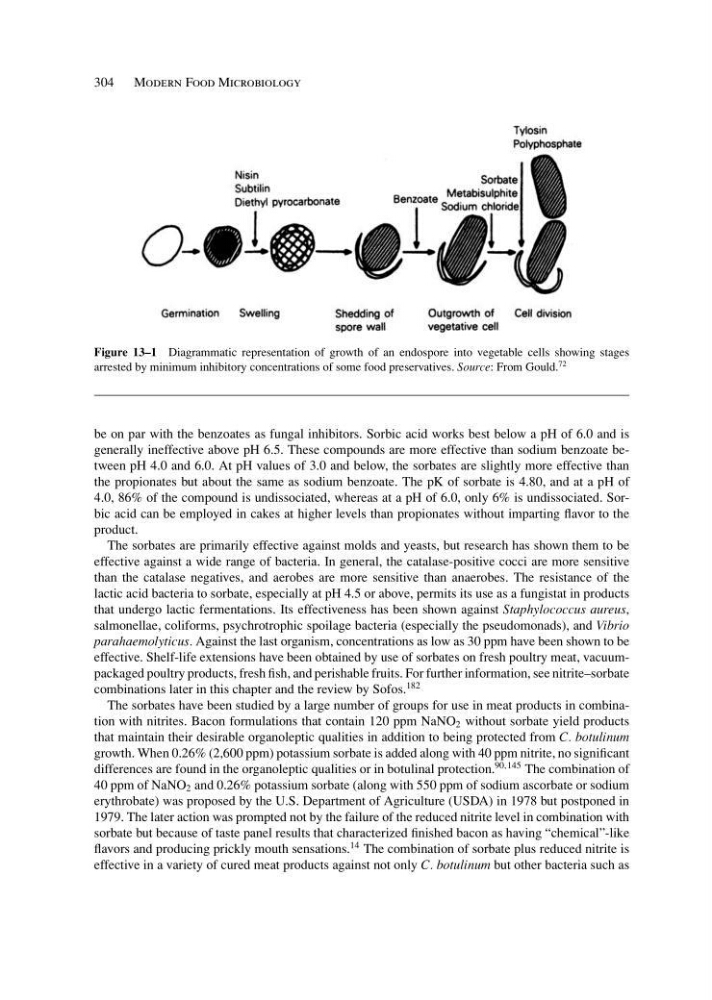
Figure 13–1 Diagrammatic representation of growth of an endospore into vegetable cells showing stages
arrested by minimum inhibitory concentrations of some food preservatives. Source: From Gould.
72
be on par with the benzoates as fungal inhibitors. Sorbic acid works best below a pH of 6.0 and is
generally ineffective above pH 6.5. These compounds are more effective than sodium benzoate between pH 4.0 and 6.0. At pH values of 3.0 and below, the sorbates are slightly more effective than
the propionates but about the same as sodium benzoate. The pK of sorbate is 4.80, and at a pH of
4.0, 86% of the compound is undissociated, whereas at a pH of 6.0, only 6% is undissociated. Sorbic acid can be employed in cakes at higher levels than propionates without imparting flavor to the
product.
The sorbates are primarily effective against molds and yeasts, but research has shown them to be
effective against a wide range of bacteria. In general, the catalase-positive cocci are more sensitive
than the catalase negatives, and aerobes are more sensitive than anaerobes. The resistance of the
lactic acid bacteria to sorbate, especially at pH 4.5 or above, permits its use as a fungistat in products
that undergo lactic fermentations. Its effectiveness has been shown against Staphylococcus aureus,
salmonellae, coliforms, psychrotrophic spoilage bacteria (especially the pseudomonads), and Vibrio
parahaemolyticus. Against the last organism, concentrations as low as 30 ppm have been shown to be
effective. Shelf-life extensions have been obtained by use of sorbates on fresh poultry meat, vacuumpackaged poultry products, fresh fish, and perishable fruits. For further information, see nitrite–sorbate
combinations later in this chapter and the review by Sofos.
182
The sorbates have been studied by a large number of groups for use in meat products in combination with nitrites. Bacon formulations that contain 120 ppm NaNO 2 without sorbate yield products
that maintain their desirable organoleptic qualities in addition to being protected from C. botulinum
growth. When 0.26% (2,600 ppm) potassium sorbate is added along with 40 ppm nitrite, no significant
differences are found in the organoleptic qualities or in botulinal protection.
90,145 The combination of
40 ppm of NaNO 2 and 0.26% potassium sorbate (along with 550 ppm of sodium ascorbate or sodium
erythrobate) was proposed by the U.S. Department of Agriculture (USDA) in 1978 but postponed in
1979. The later action was prompted not by the failure of the reduced nitrite level in combination with
sorbate but because of taste panel results that characterized finished bacon as having “chemical”-like
flavors and producing prickly mouth sensations.
14 The combination of sorbate plus reduced nitrite is
effective in a variety of cured meat products against not only C. botulinum but other bacteria such as
Figure 13–1 Diagrammatic representation of growth of an endospore into vegetable cells showing stages
arrested by minimum inhibitory concentrations of some food preservatives. Source: From Gould.
72
be on par with the benzoates as fungal inhibitors. Sorbic acid works best below a pH of 6.0 and is
generally ineffective above pH 6.5. These compounds are more effective than sodium benzoate between pH 4.0 and 6.0. At pH values of 3.0 and below, the sorbates are slightly more effective than
the propionates but about the same as sodium benzoate. The pK of sorbate is 4.80, and at a pH of
4.0, 86% of the compound is undissociated, whereas at a pH of 6.0, only 6% is undissociated. Sorbic acid can be employed in cakes at higher levels than propionates without imparting flavor to the
product.
The sorbates are primarily effective against molds and yeasts, but research has shown them to be
effective against a wide range of bacteria. In general, the catalase-positive cocci are more sensitive
than the catalase negatives, and aerobes are more sensitive than anaerobes. The resistance of the
lactic acid bacteria to sorbate, especially at pH 4.5 or above, permits its use as a fungistat in products
that undergo lactic fermentations. Its effectiveness has been shown against Staphylococcus aureus,
salmonellae, coliforms, psychrotrophic spoilage bacteria (especially the pseudomonads), and Vibrio
parahaemolyticus. Against the last organism, concentrations as low as 30 ppm have been shown to be
effective. Shelf-life extensions have been obtained by use of sorbates on fresh poultry meat, vacuumpackaged poultry products, fresh fish, and perishable fruits. For further information, see nitrite–sorbate
combinations later in this chapter and the review by Sofos.
182
The sorbates have been studied by a large number of groups for use in meat products in combination with nitrites. Bacon formulations that contain 120 ppm NaNO 2 without sorbate yield products
that maintain their desirable organoleptic qualities in addition to being protected from C. botulinum
growth. When 0.26% (2,600 ppm) potassium sorbate is added along with 40 ppm nitrite, no significant
differences are found in the organoleptic qualities or in botulinal protection.
90,145 The combination of
40 ppm of NaNO 2 and 0.26% potassium sorbate (along with 550 ppm of sodium ascorbate or sodium
erythrobate) was proposed by the U.S. Department of Agriculture (USDA) in 1978 but postponed in
1979. The later action was prompted not by the failure of the reduced nitrite level in combination with
sorbate but because of taste panel results that characterized finished bacon as having “chemical”-like
flavors and producing prickly mouth sensations.
14 The combination of sorbate plus reduced nitrite is
effective in a variety of cured meat products against not only C. botulinum but other bacteria such as