

l
Highly safe to humans and environment.
l
No safety equipment required.
l
No residual effects.
l
No groundwater contamination.
l
Safe to pollinators.
l
Easy to mass produce.
l
EPN infective juveniles can tolerate short-term exposures
(2–24 h) to many chemical and biological insecticides, fungicides, herbicides, fertilizers, and growth regulators.
2 Formulation of Entomopathogenic Nematodes
2.1 Purpose
l
Formulation helps in the safe storing and transporting of the
mass-produced EPNs for field application.
l
Active nematodes are immobilized on suitable substrates to
avoid the depletion of their lipid and glycogen reserves [208].
l
The additives used in the formulations improve the survival and
sustain the virulence of the EPNs.
l
In general, the components of the formulations are: an active
ingredient, a carrier, and additives. Active ingredients in the
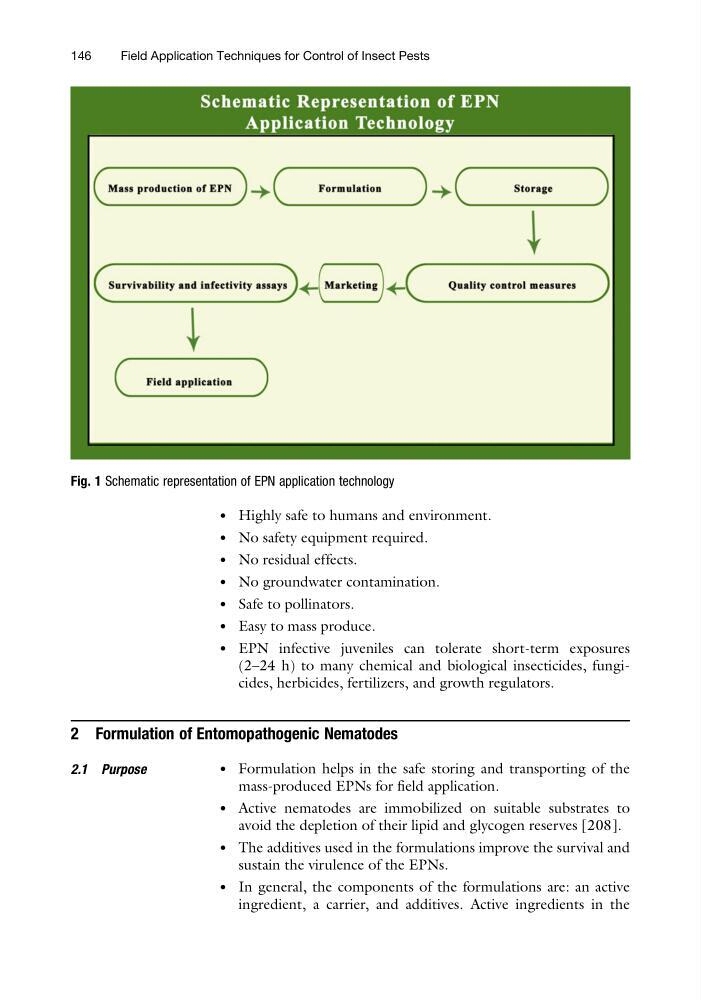
Fig. 1 Schematic representation of EPN application technology
146
Field Application Techniques for Control of Insect Pests
Highly safe to humans and environment.
l
No safety equipment required.
l
No residual effects.
l
No groundwater contamination.
l
Safe to pollinators.
l
Easy to mass produce.
l
EPN infective juveniles can tolerate short-term exposures
(2–24 h) to many chemical and biological insecticides, fungicides, herbicides, fertilizers, and growth regulators.
2 Formulation of Entomopathogenic Nematodes
2.1 Purpose
l
Formulation helps in the safe storing and transporting of the
mass-produced EPNs for field application.
l
Active nematodes are immobilized on suitable substrates to
avoid the depletion of their lipid and glycogen reserves [208].
l
The additives used in the formulations improve the survival and
sustain the virulence of the EPNs.
l
In general, the components of the formulations are: an active
ingredient, a carrier, and additives. Active ingredients in the
Fig. 1 Schematic representation of EPN application technology
146
Field Application Techniques for Control of Insect Pests