

3.7.1.2 Feeding Mode
Based on the feeding type, the digesters are classified into:
1. Batch flow digester
2. Continuous flow digester
3.7.1.2.1 Batch Flow Digester
The organic materials are filled at once, maintained closed for a specific period, and
then unfed after a provided retention time (Khalid et al. 2011). The retention time
varies from 50 to 60 days. Batch flow digester is designed to digest dry organic
vegetable waste (Florentino 2003). The vegetable wastes (dry solid organic wastes)
have higher C/N ratio than the dung, so this type of plants needs some addition of
fermented slurry like organic nitrogen producers to begin the digestion process
(Fig. 3.6).
Advantages of Batch Flow Digester
1. Sporadic raw material or limited wastes.
2. Depending on the waste material and operating temperature, this digester slowly
starts the biogas production and also increases the production with time and after
the 4–8 weeks which can end up slowly. So this is one of the best digesters to
always produce the biogas (Florentino 2003).
3. It doesn’t require that much of daily attention.
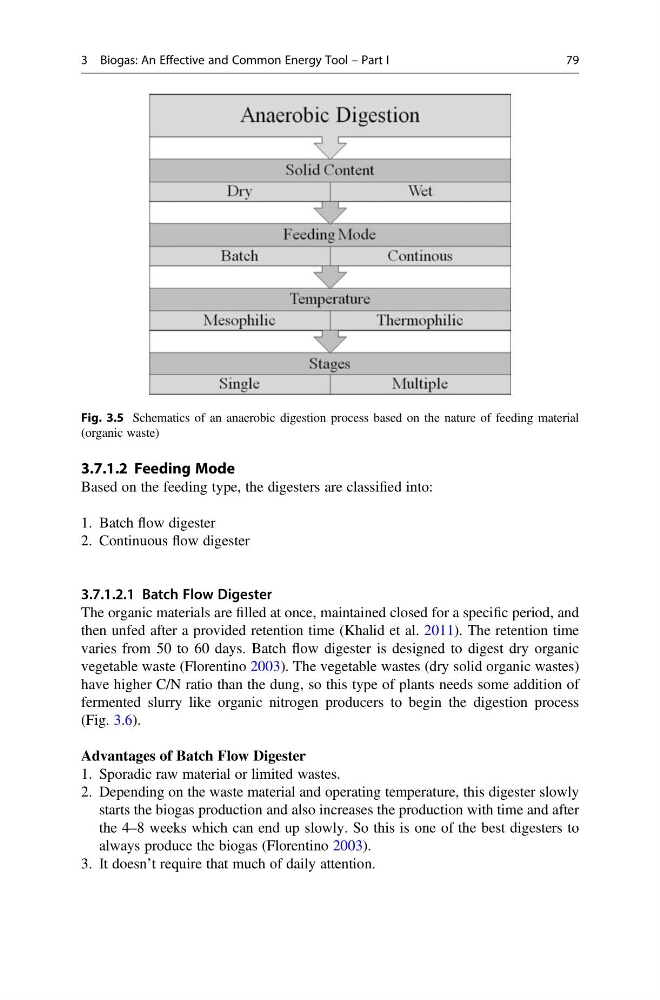
Fig. 3.5 Schematics of an anaerobic digestion process based on the nature of feeding material
(organic waste)
3 Biogas: An Effective and Common Energy Tool – Part I
79
Based on the feeding type, the digesters are classified into:
1. Batch flow digester
2. Continuous flow digester
3.7.1.2.1 Batch Flow Digester
The organic materials are filled at once, maintained closed for a specific period, and
then unfed after a provided retention time (Khalid et al. 2011). The retention time
varies from 50 to 60 days. Batch flow digester is designed to digest dry organic
vegetable waste (Florentino 2003). The vegetable wastes (dry solid organic wastes)
have higher C/N ratio than the dung, so this type of plants needs some addition of
fermented slurry like organic nitrogen producers to begin the digestion process
(Fig. 3.6).
Advantages of Batch Flow Digester
1. Sporadic raw material or limited wastes.
2. Depending on the waste material and operating temperature, this digester slowly
starts the biogas production and also increases the production with time and after
the 4–8 weeks which can end up slowly. So this is one of the best digesters to
always produce the biogas (Florentino 2003).
3. It doesn’t require that much of daily attention.
Fig. 3.5 Schematics of an anaerobic digestion process based on the nature of feeding material
(organic waste)
3 Biogas: An Effective and Common Energy Tool – Part I
79