

way for combining varied forms of renewable energy and, beyond its upgradation,
may provide decoupling bioenergy production from the available biomass
(Angelidaki et al. 2018).
The absorption technology can be enhanced by increasing its absorbency, removing the contaminant gas mixtures and undergoing the water recycling process which
can be further used for the water scrubbing process. Also, optimisation process can
be undertaken in water scrubbing-depended biogas upgrading method for generating
high-quality biomethane with low operational costs and energy consumption of the
upgrading plant. Novel absorption columns that can induce increased mass transfer
performance with low pressure drop can be developed for undergoing energyefficient and cost-effective absorption process (Andriani et al. 2014).
The PSA method can be technologically advanced by decreasing the PSA units,
making the technology applicable for small-scale use, minimising the energy use,
providing additional performance indicators for integrating CO 2 and H 2 S removal in
the same column with adsorption efficiency evaluation system (Singhal et al. 2017).
The PSA unit size can be altered (two PSA units: first unit is fed with biogas and the
Future perspectives
in biogas
upgradation
Proper
utilization of
methane
content present
in offgas
Provision for
economically
feasible smallscale upgrading
plants
Supportive
Government
policies
Requirement for
Innovations
Implementing
biogas
reforming
technologies
Commercial
distribution of
Liquified biogas
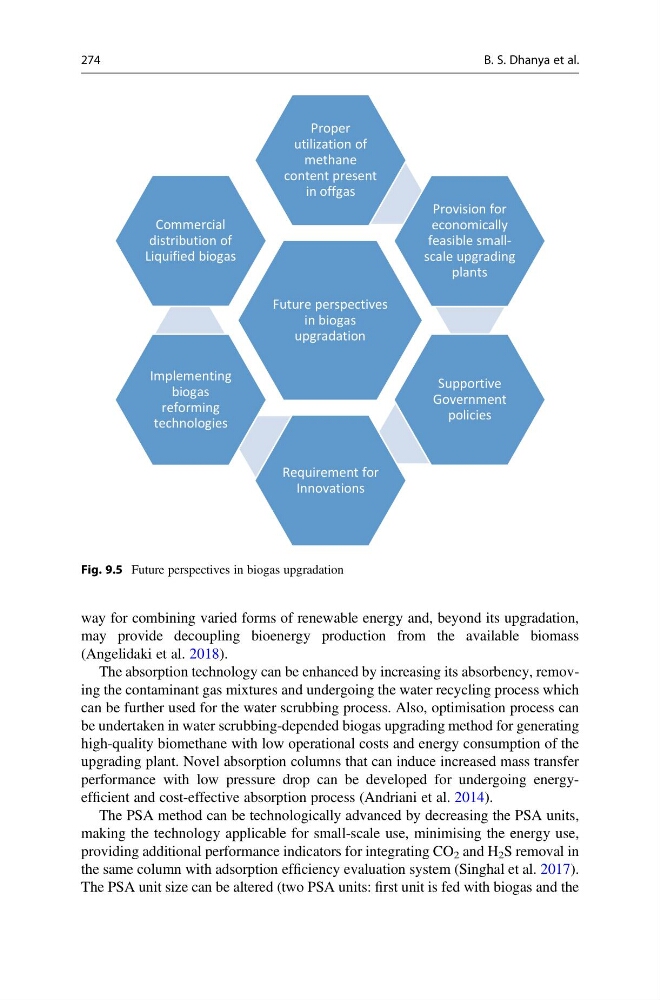
Fig. 9.5 Future perspectives in biogas upgradation
274
B. S. Dhanya et al.
may provide decoupling bioenergy production from the available biomass
(Angelidaki et al. 2018).
The absorption technology can be enhanced by increasing its absorbency, removing the contaminant gas mixtures and undergoing the water recycling process which
can be further used for the water scrubbing process. Also, optimisation process can
be undertaken in water scrubbing-depended biogas upgrading method for generating
high-quality biomethane with low operational costs and energy consumption of the
upgrading plant. Novel absorption columns that can induce increased mass transfer
performance with low pressure drop can be developed for undergoing energyefficient and cost-effective absorption process (Andriani et al. 2014).
The PSA method can be technologically advanced by decreasing the PSA units,
making the technology applicable for small-scale use, minimising the energy use,
providing additional performance indicators for integrating CO 2 and H 2 S removal in
the same column with adsorption efficiency evaluation system (Singhal et al. 2017).
The PSA unit size can be altered (two PSA units: first unit is fed with biogas and the
Future perspectives
in biogas
upgradation
Proper
utilization of
methane
content present
in offgas
Provision for
economically
feasible smallscale upgrading
plants
Supportive
Government
policies
Requirement for
Innovations
Implementing
biogas
reforming
technologies
Commercial
distribution of
Liquified biogas
Fig. 9.5 Future perspectives in biogas upgradation
274
B. S. Dhanya et al.