

be required for them, to be cost-competitive with fossil ones (IEA 2018). Production
costs have to be reduced through technological innovation. Continuous innovation
must provide constant or increasing returns to innovative efforts, but complexity can
increase the costs of those efforts (Costantini et al. 2013, 2015a). In the analysis of
(Arnold et al. 2019), an innovation is considered to be a technical novelty that earns a
patent. Using the data provided by the United States Patent and Trademark Office
(USPTO), a database of liquid biofuel technologies patented since 1976 has been
constructed (Arnold et al. 2019).
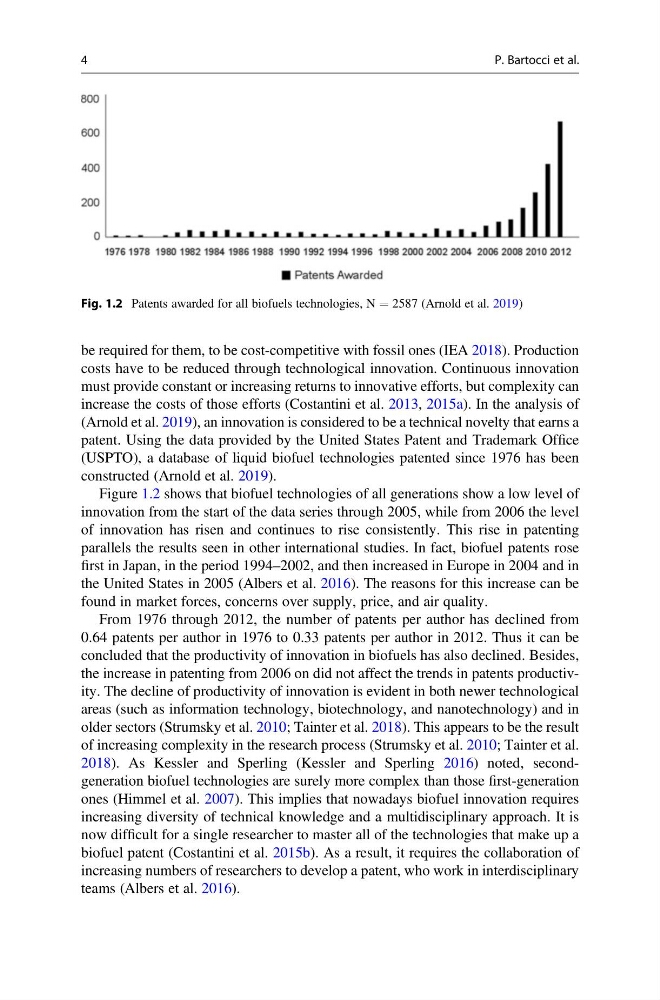
Figure 1.2 shows that biofuel technologies of all generations show a low level of
innovation from the start of the data series through 2005, while from 2006 the level
of innovation has risen and continues to rise consistently. This rise in patenting
parallels the results seen in other international studies. In fact, biofuel patents rose
first in Japan, in the period 1994–2002, and then increased in Europe in 2004 and in
the United States in 2005 (Albers et al. 2016). The reasons for this increase can be
found in market forces, concerns over supply, price, and air quality.
From 1976 through 2012, the number of patents per author has declined from
0.64 patents per author in 1976 to 0.33 patents per author in 2012. Thus it can be
concluded that the productivity of innovation in biofuels has also declined. Besides,
the increase in patenting from 2006 on did not affect the trends in patents productivity. The decline of productivity of innovation is evident in both newer technological
areas (such as information technology, biotechnology, and nanotechnology) and in
older sectors (Strumsky et al. 2010; Tainter et al. 2018). This appears to be the result
of increasing complexity in the research process (Strumsky et al. 2010; Tainter et al.
2018). As Kessler and Sperling (Kessler and Sperling 2016) noted, secondgeneration biofuel technologies are surely more complex than those first-generation
ones (Himmel et al. 2007). This implies that nowadays biofuel innovation requires
increasing diversity of technical knowledge and a multidisciplinary approach. It is
now difficult for a single researcher to master all of the technologies that make up a
biofuel patent (Costantini et al. 2015b). As a result, it requires the collaboration of
increasing numbers of researchers to develop a patent, who work in interdisciplinary
teams (Albers et al. 2016).
Fig. 1.2 Patents awarded for all biofuels technologies, N ¼ 2587 (Arnold et al. 2019)
4
P. Bartocci et al.
costs have to be reduced through technological innovation. Continuous innovation
must provide constant or increasing returns to innovative efforts, but complexity can
increase the costs of those efforts (Costantini et al. 2013, 2015a). In the analysis of
(Arnold et al. 2019), an innovation is considered to be a technical novelty that earns a
patent. Using the data provided by the United States Patent and Trademark Office
(USPTO), a database of liquid biofuel technologies patented since 1976 has been
constructed (Arnold et al. 2019).
Figure 1.2 shows that biofuel technologies of all generations show a low level of
innovation from the start of the data series through 2005, while from 2006 the level
of innovation has risen and continues to rise consistently. This rise in patenting
parallels the results seen in other international studies. In fact, biofuel patents rose
first in Japan, in the period 1994–2002, and then increased in Europe in 2004 and in
the United States in 2005 (Albers et al. 2016). The reasons for this increase can be
found in market forces, concerns over supply, price, and air quality.
From 1976 through 2012, the number of patents per author has declined from
0.64 patents per author in 1976 to 0.33 patents per author in 2012. Thus it can be
concluded that the productivity of innovation in biofuels has also declined. Besides,
the increase in patenting from 2006 on did not affect the trends in patents productivity. The decline of productivity of innovation is evident in both newer technological
areas (such as information technology, biotechnology, and nanotechnology) and in
older sectors (Strumsky et al. 2010; Tainter et al. 2018). This appears to be the result
of increasing complexity in the research process (Strumsky et al. 2010; Tainter et al.
2018). As Kessler and Sperling (Kessler and Sperling 2016) noted, secondgeneration biofuel technologies are surely more complex than those first-generation
ones (Himmel et al. 2007). This implies that nowadays biofuel innovation requires
increasing diversity of technical knowledge and a multidisciplinary approach. It is
now difficult for a single researcher to master all of the technologies that make up a
biofuel patent (Costantini et al. 2015b). As a result, it requires the collaboration of
increasing numbers of researchers to develop a patent, who work in interdisciplinary
teams (Albers et al. 2016).
Fig. 1.2 Patents awarded for all biofuels technologies, N ¼ 2587 (Arnold et al. 2019)
4
P. Bartocci et al.