

5.12 Methods to Improve Anaerobic Digestion of Algae
For biogas production, a suitable digester design is essential which can be applied to:
1. Municipal solid waste treatment
2. Treatment of microalgae residue for getting high value production such as
methane and fertilizers
The main problem lies in anaerobic digestion for algae treatment, as digestion of
its tough cell wall since many components of cell wall mainly consists of cellulose
and hemicellulose that are slow to digest and also need large bioreactors to operate.
Therefore, digestibility and high capital cost is also challenging.
In order to increase digestibility, some author recommends specific pretreatment,
such as thermal pretreatment, which include thermal hydrolysis, ultrasound or
thermochemical treatment.
Ultrasound pretreatment (which is radiation based) or thermochemical
pretreatment techniques are most suitable at a temperature of 62
C or more.
Sometime it depends on the species, for example, in case of Scenedesmus species,
the production of biogas was improved when thermochemical pretreatment was
given and as a result biogas production was two times more. Improved anaerobic
digestion is also useful in some species, for example, Oocystis.
Table 5.6 AD temperature ranges with the corresponding retention time
Process
Temperature (
C)
Minimum retention time (days)
Psychrophilic
<20
70–80
Mesophilic
30–42
30–40
Thermophilic
43–55
15–20
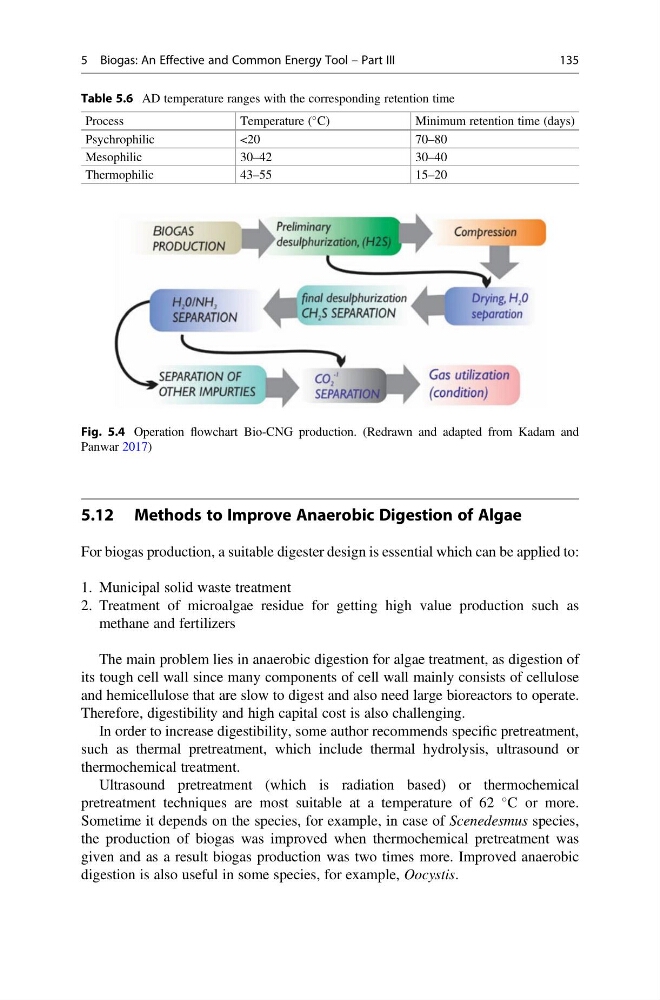
Fig. 5.4 Operation flowchart Bio-CNG production. (Redrawn and adapted from Kadam and
Panwar 2017)
5 Biogas: An Effective and Common Energy Tool – Part III
135
For biogas production, a suitable digester design is essential which can be applied to:
1. Municipal solid waste treatment
2. Treatment of microalgae residue for getting high value production such as
methane and fertilizers
The main problem lies in anaerobic digestion for algae treatment, as digestion of
its tough cell wall since many components of cell wall mainly consists of cellulose
and hemicellulose that are slow to digest and also need large bioreactors to operate.
Therefore, digestibility and high capital cost is also challenging.
In order to increase digestibility, some author recommends specific pretreatment,
such as thermal pretreatment, which include thermal hydrolysis, ultrasound or
thermochemical treatment.
Ultrasound pretreatment (which is radiation based) or thermochemical
pretreatment techniques are most suitable at a temperature of 62
C or more.
Sometime it depends on the species, for example, in case of Scenedesmus species,
the production of biogas was improved when thermochemical pretreatment was
given and as a result biogas production was two times more. Improved anaerobic
digestion is also useful in some species, for example, Oocystis.
Table 5.6 AD temperature ranges with the corresponding retention time
Process
Temperature (
C)
Minimum retention time (days)
Psychrophilic
<20
70–80
Mesophilic
30–42
30–40
Thermophilic
43–55
15–20
Fig. 5.4 Operation flowchart Bio-CNG production. (Redrawn and adapted from Kadam and
Panwar 2017)
5 Biogas: An Effective and Common Energy Tool – Part III
135