

594
E. E. Mukwevho and M. Togo
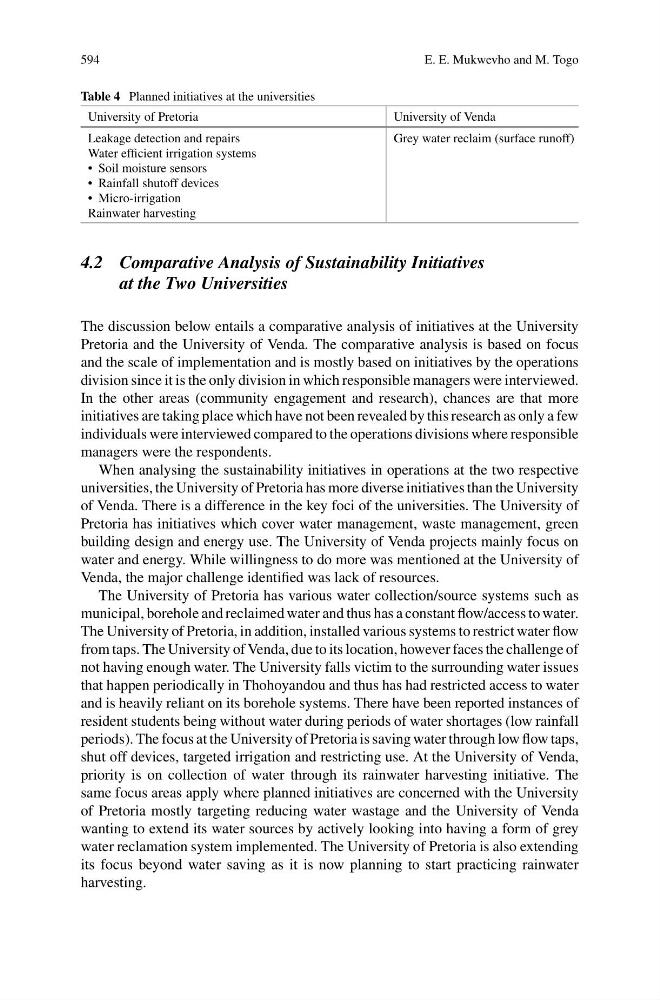
Table 4 Planned initiatives at the universities
University of Pretoria
University of Venda
Leakage detection and repairs
Water efficient irrigation systems
• Soil moisture sensors
• Rainfall shutoff devices
• Micro-irrigation
Rainwater harvesting
Grey water reclaim (surface runoff)
4.2 Comparative Analysis of Sustainability Initiatives
at the Two Universities
The discussion below entails a comparative analysis of initiatives at the University
Pretoria and the University of Venda. The comparative analysis is based on focus
and the scale of implementation and is mostly based on initiatives by the operations
division since it is the only division in which responsible managers were interviewed.
In the other areas (community engagement and research), chances are that more
initiatives are taking place which have not been revealed by this research as only a few
individuals were interviewed compared to the operations divisions where responsible
managers were the respondents.
When analysing the sustainability initiatives in operations at the two respective
universities, the University of Pretoria has more diverse initiatives than the University
of Venda. There is a difference in the key foci of the universities. The University of
Pretoria has initiatives which cover water management, waste management, green
building design and energy use. The University of Venda projects mainly focus on
water and energy. While willingness to do more was mentioned at the University of
Venda, the major challenge identified was lack of resources.
The University of Pretoria has various water collection/source systems such as
municipal, borehole and reclaimed water and thus has a constant flow/access to water.
The University of Pretoria, in addition, installed various systems to restrict water flow
from taps. The University of Venda, due to its location, however faces the challenge of
not having enough water. The University falls victim to the surrounding water issues
that happen periodically in Thohoyandou and thus has had restricted access to water
and is heavily reliant on its borehole systems. There have been reported instances of
resident students being without water during periods of water shortages (low rainfall
periods). The focus at the University of Pretoria is saving water through low flow taps,
shut off devices, targeted irrigation and restricting use. At the University of Venda,
priority is on collection of water through its rainwater harvesting initiative. The
same focus areas apply where planned initiatives are concerned with the University
of Pretoria mostly targeting reducing water wastage and the University of Venda
wanting to extend its water sources by actively looking into having a form of grey
water reclamation system implemented. The University of Pretoria is also extending
its focus beyond water saving as it is now planning to start practicing rainwater
harvesting.
E. E. Mukwevho and M. Togo
Table 4 Planned initiatives at the universities
University of Pretoria
University of Venda
Leakage detection and repairs
Water efficient irrigation systems
• Soil moisture sensors
• Rainfall shutoff devices
• Micro-irrigation
Rainwater harvesting
Grey water reclaim (surface runoff)
4.2 Comparative Analysis of Sustainability Initiatives
at the Two Universities
The discussion below entails a comparative analysis of initiatives at the University
Pretoria and the University of Venda. The comparative analysis is based on focus
and the scale of implementation and is mostly based on initiatives by the operations
division since it is the only division in which responsible managers were interviewed.
In the other areas (community engagement and research), chances are that more
initiatives are taking place which have not been revealed by this research as only a few
individuals were interviewed compared to the operations divisions where responsible
managers were the respondents.
When analysing the sustainability initiatives in operations at the two respective
universities, the University of Pretoria has more diverse initiatives than the University
of Venda. There is a difference in the key foci of the universities. The University of
Pretoria has initiatives which cover water management, waste management, green
building design and energy use. The University of Venda projects mainly focus on
water and energy. While willingness to do more was mentioned at the University of
Venda, the major challenge identified was lack of resources.
The University of Pretoria has various water collection/source systems such as
municipal, borehole and reclaimed water and thus has a constant flow/access to water.
The University of Pretoria, in addition, installed various systems to restrict water flow
from taps. The University of Venda, due to its location, however faces the challenge of
not having enough water. The University falls victim to the surrounding water issues
that happen periodically in Thohoyandou and thus has had restricted access to water
and is heavily reliant on its borehole systems. There have been reported instances of
resident students being without water during periods of water shortages (low rainfall
periods). The focus at the University of Pretoria is saving water through low flow taps,
shut off devices, targeted irrigation and restricting use. At the University of Venda,
priority is on collection of water through its rainwater harvesting initiative. The
same focus areas apply where planned initiatives are concerned with the University
of Pretoria mostly targeting reducing water wastage and the University of Venda
wanting to extend its water sources by actively looking into having a form of grey
water reclamation system implemented. The University of Pretoria is also extending
its focus beyond water saving as it is now planning to start practicing rainwater
harvesting.