

An Enhanced Data-Analyses Method for the Graphical …
565
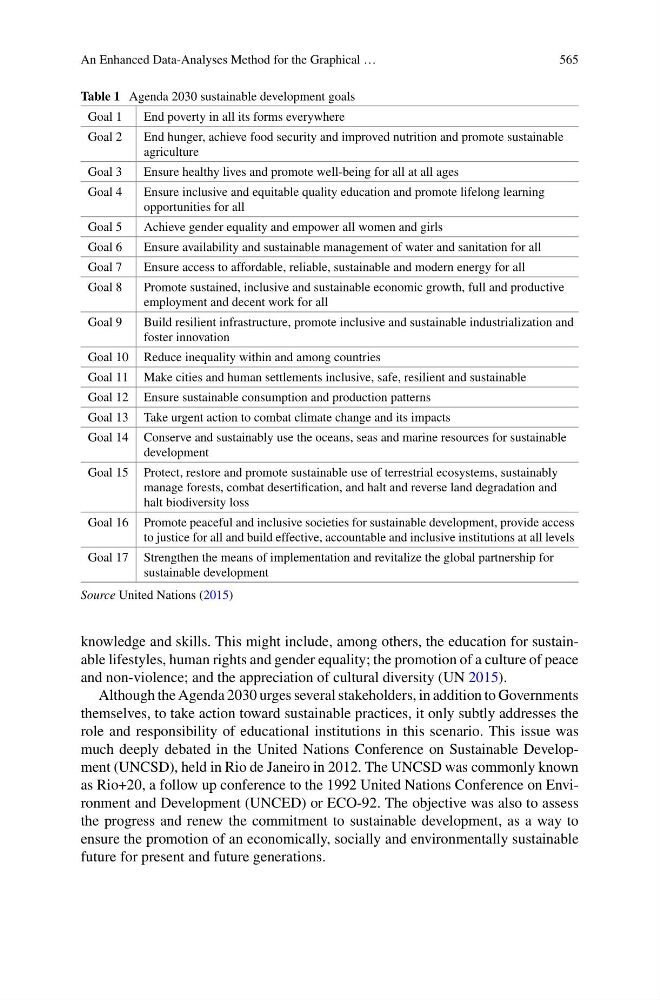
Table 1 Agenda 2030 sustainable development goals
Goal 1
End poverty in all its forms everywhere
Goal 2
End hunger, achieve food security and improved nutrition and promote sustainable
agriculture
Goal 3
Ensure healthy lives and promote well-being for all at all ages
Goal 4
Ensure inclusive and equitable quality education and promote lifelong learning
opportunities for all
Goal 5
Achieve gender equality and empower all women and girls
Goal 6
Ensure availability and sustainable management of water and sanitation for all
Goal 7
Ensure access to affordable, reliable, sustainable and modern energy for all
Goal 8
Promote sustained, inclusive and sustainable economic growth, full and productive
employment and decent work for all
Goal 9
Build resilient infrastructure, promote inclusive and sustainable industrialization and
foster innovation
Goal 10 Reduce inequality within and among countries
Goal 11 Make cities and human settlements inclusive, safe, resilient and sustainable
Goal 12 Ensure sustainable consumption and production patterns
Goal 13 Take urgent action to combat climate change and its impacts
Goal 14 Conserve and sustainably use the oceans, seas and marine resources for sustainable
development
Goal 15 Protect, restore and promote sustainable use of terrestrial ecosystems, sustainably
manage forests, combat desertification, and halt and reverse land degradation and
halt biodiversity loss
Goal 16 Promote peaceful and inclusive societies for sustainable development, provide access
to justice for all and build effective, accountable and inclusive institutions at all levels
Goal 17 Strengthen the means of implementation and revitalize the global partnership for
sustainable development
Source United Nations (2015)
knowledge and skills. This might include, among others, the education for sustainable lifestyles, human rights and gender equality; the promotion of a culture of peace
and non-violence; and the appreciation of cultural diversity (UN 2015).
Although the Agenda 2030 urges several stakeholders, in addition to Governments
themselves, to take action toward sustainable practices, it only subtly addresses the
role and responsibility of educational institutions in this scenario. This issue was
much deeply debated in the United Nations Conference on Sustainable Development (UNCSD), held in Rio de Janeiro in 2012. The UNCSD was commonly known
as Rio+20, a follow up conference to the 1992 United Nations Conference on Environment and Development (UNCED) or ECO-92. The objective was also to assess
the progress and renew the commitment to sustainable development, as a way to
ensure the promotion of an economically, socially and environmentally sustainable
future for present and future generations.
565
Table 1 Agenda 2030 sustainable development goals
Goal 1
End poverty in all its forms everywhere
Goal 2
End hunger, achieve food security and improved nutrition and promote sustainable
agriculture
Goal 3
Ensure healthy lives and promote well-being for all at all ages
Goal 4
Ensure inclusive and equitable quality education and promote lifelong learning
opportunities for all
Goal 5
Achieve gender equality and empower all women and girls
Goal 6
Ensure availability and sustainable management of water and sanitation for all
Goal 7
Ensure access to affordable, reliable, sustainable and modern energy for all
Goal 8
Promote sustained, inclusive and sustainable economic growth, full and productive
employment and decent work for all
Goal 9
Build resilient infrastructure, promote inclusive and sustainable industrialization and
foster innovation
Goal 10 Reduce inequality within and among countries
Goal 11 Make cities and human settlements inclusive, safe, resilient and sustainable
Goal 12 Ensure sustainable consumption and production patterns
Goal 13 Take urgent action to combat climate change and its impacts
Goal 14 Conserve and sustainably use the oceans, seas and marine resources for sustainable
development
Goal 15 Protect, restore and promote sustainable use of terrestrial ecosystems, sustainably
manage forests, combat desertification, and halt and reverse land degradation and
halt biodiversity loss
Goal 16 Promote peaceful and inclusive societies for sustainable development, provide access
to justice for all and build effective, accountable and inclusive institutions at all levels
Goal 17 Strengthen the means of implementation and revitalize the global partnership for
sustainable development
Source United Nations (2015)
knowledge and skills. This might include, among others, the education for sustainable lifestyles, human rights and gender equality; the promotion of a culture of peace
and non-violence; and the appreciation of cultural diversity (UN 2015).
Although the Agenda 2030 urges several stakeholders, in addition to Governments
themselves, to take action toward sustainable practices, it only subtly addresses the
role and responsibility of educational institutions in this scenario. This issue was
much deeply debated in the United Nations Conference on Sustainable Development (UNCSD), held in Rio de Janeiro in 2012. The UNCSD was commonly known
as Rio+20, a follow up conference to the 1992 United Nations Conference on Environment and Development (UNCED) or ECO-92. The objective was also to assess
the progress and renew the commitment to sustainable development, as a way to
ensure the promotion of an economically, socially and environmentally sustainable
future for present and future generations.