

Sustainable Behavior and Its Antecedents: A Systematic …
251
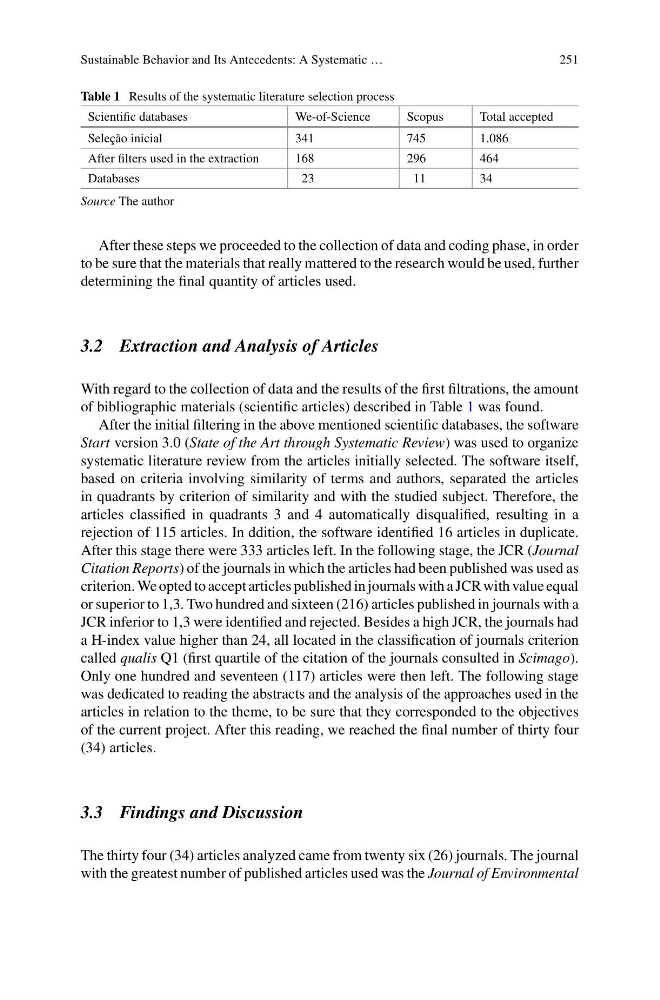
Table 1 Results of the systematic literature selection process
Scientific databases
We-of-Science
Scopus
Total accepted
Seleção inicial
341
745
1.086
After filters used in the extraction
168
296
464
Databases
23
11
34
Source The author
After these steps we proceeded to the collection of data and coding phase, in order
to be sure that the materials that really mattered to the research would be used, further
determining the final quantity of articles used.
3.2 Extraction and Analysis of Articles
With regard to the collection of data and the results of the first filtrations, the amount
of bibliographic materials (scientific articles) described in Table 1 was found.
After the initial filtering in the above mentioned scientific databases, the software
Start version 3.0 (State of the Art through Systematic Review) was used to organize
systematic literature review from the articles initially selected. The software itself,
based on criteria involving similarity of terms and authors, separated the articles
in quadrants by criterion of similarity and with the studied subject. Therefore, the
articles classified in quadrants 3 and 4 automatically disqualified, resulting in a
rejection of 115 articles. In ddition, the software identified 16 articles in duplicate.
After this stage there were 333 articles left. In the following stage, the JCR (Journal
Citation Reports) of the journals in which the articles had been published was used as
criterion. We opted to accept articles published in journals with a JCR with value equal
or superior to 1,3. Two hundred and sixteen (216) articles published in journals with a
JCR inferior to 1,3 were identified and rejected. Besides a high JCR, the journals had
a H-index value higher than 24, all located in the classification of journals criterion
called qualis Q1 (first quartile of the citation of the journals consulted in Scimago).
Only one hundred and seventeen (117) articles were then left. The following stage
was dedicated to reading the abstracts and the analysis of the approaches used in the
articles in relation to the theme, to be sure that they corresponded to the objectives
of the current project. After this reading, we reached the final number of thirty four
(34) articles.
3.3 Findings and Discussion
The thirty four (34) articles analyzed came from twenty six (26) journals. The journal
with the greatest number of published articles used was the Journal of Environmental
251
Table 1 Results of the systematic literature selection process
Scientific databases
We-of-Science
Scopus
Total accepted
Seleção inicial
341
745
1.086
After filters used in the extraction
168
296
464
Databases
23
11
34
Source The author
After these steps we proceeded to the collection of data and coding phase, in order
to be sure that the materials that really mattered to the research would be used, further
determining the final quantity of articles used.
3.2 Extraction and Analysis of Articles
With regard to the collection of data and the results of the first filtrations, the amount
of bibliographic materials (scientific articles) described in Table 1 was found.
After the initial filtering in the above mentioned scientific databases, the software
Start version 3.0 (State of the Art through Systematic Review) was used to organize
systematic literature review from the articles initially selected. The software itself,
based on criteria involving similarity of terms and authors, separated the articles
in quadrants by criterion of similarity and with the studied subject. Therefore, the
articles classified in quadrants 3 and 4 automatically disqualified, resulting in a
rejection of 115 articles. In ddition, the software identified 16 articles in duplicate.
After this stage there were 333 articles left. In the following stage, the JCR (Journal
Citation Reports) of the journals in which the articles had been published was used as
criterion. We opted to accept articles published in journals with a JCR with value equal
or superior to 1,3. Two hundred and sixteen (216) articles published in journals with a
JCR inferior to 1,3 were identified and rejected. Besides a high JCR, the journals had
a H-index value higher than 24, all located in the classification of journals criterion
called qualis Q1 (first quartile of the citation of the journals consulted in Scimago).
Only one hundred and seventeen (117) articles were then left. The following stage
was dedicated to reading the abstracts and the analysis of the approaches used in the
articles in relation to the theme, to be sure that they corresponded to the objectives
of the current project. After this reading, we reached the final number of thirty four
(34) articles.
3.3 Findings and Discussion
The thirty four (34) articles analyzed came from twenty six (26) journals. The journal
with the greatest number of published articles used was the Journal of Environmental