

128
P. S. dos Santos and L. M. S. Campos
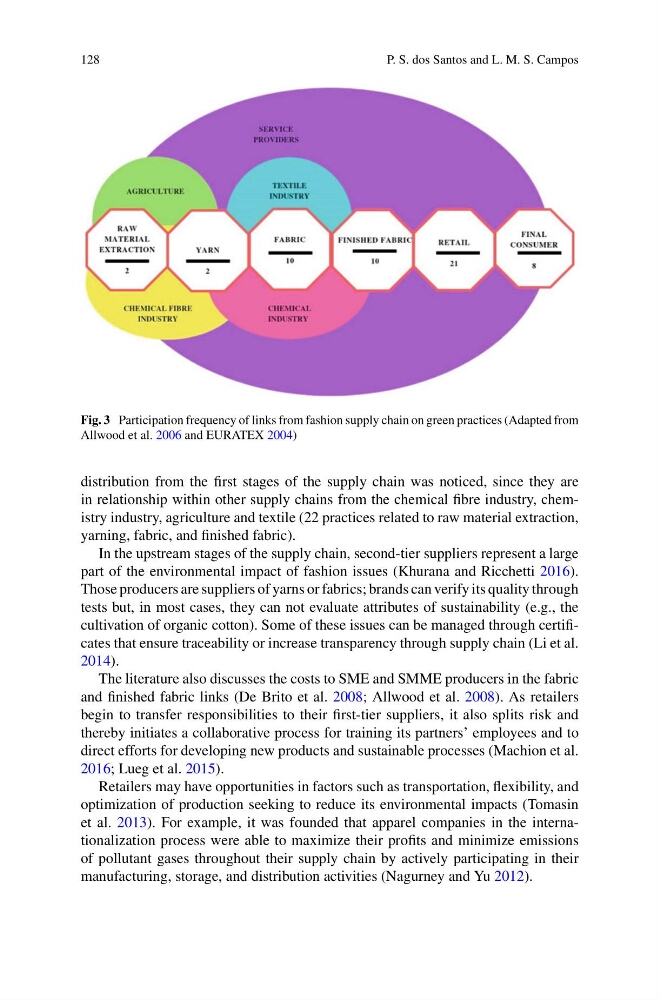
Fig. 3 Participation frequency of links from fashion supply chain on green practices (Adapted from
Allwood et al. 2006 and EURATEX 2004)
distribution from the first stages of the supply chain was noticed, since they are
in relationship within other supply chains from the chemical fibre industry, chemistry industry, agriculture and textile (22 practices related to raw material extraction,
yarning, fabric, and finished fabric).
In the upstream stages of the supply chain, second-tier suppliers represent a large
part of the environmental impact of fashion issues (Khurana and Ricchetti 2016).
Those producers are suppliers of yarns or fabrics; brands can verify its quality through
tests but, in most cases, they can not evaluate attributes of sustainability (e.g., the
cultivation of organic cotton). Some of these issues can be managed through certificates that ensure traceability or increase transparency through supply chain (Li et al.
2014).
The literature also discusses the costs to SME and SMME producers in the fabric
and finished fabric links (De Brito et al. 2008; Allwood et al. 2008). As retailers
begin to transfer responsibilities to their first-tier suppliers, it also splits risk and
thereby initiates a collaborative process for training its partners’ employees and to
direct efforts for developing new products and sustainable processes (Machion et al.
2016; Lueg et al. 2015).
Retailers may have opportunities in factors such as transportation, flexibility, and
optimization of production seeking to reduce its environmental impacts (Tomasin
et al. 2013). For example, it was founded that apparel companies in the internationalization process were able to maximize their profits and minimize emissions
of pollutant gases throughout their supply chain by actively participating in their
manufacturing, storage, and distribution activities (Nagurney and Yu 2012).
P. S. dos Santos and L. M. S. Campos
Fig. 3 Participation frequency of links from fashion supply chain on green practices (Adapted from
Allwood et al. 2006 and EURATEX 2004)
distribution from the first stages of the supply chain was noticed, since they are
in relationship within other supply chains from the chemical fibre industry, chemistry industry, agriculture and textile (22 practices related to raw material extraction,
yarning, fabric, and finished fabric).
In the upstream stages of the supply chain, second-tier suppliers represent a large
part of the environmental impact of fashion issues (Khurana and Ricchetti 2016).
Those producers are suppliers of yarns or fabrics; brands can verify its quality through
tests but, in most cases, they can not evaluate attributes of sustainability (e.g., the
cultivation of organic cotton). Some of these issues can be managed through certificates that ensure traceability or increase transparency through supply chain (Li et al.
2014).
The literature also discusses the costs to SME and SMME producers in the fabric
and finished fabric links (De Brito et al. 2008; Allwood et al. 2008). As retailers
begin to transfer responsibilities to their first-tier suppliers, it also splits risk and
thereby initiates a collaborative process for training its partners’ employees and to
direct efforts for developing new products and sustainable processes (Machion et al.
2016; Lueg et al. 2015).
Retailers may have opportunities in factors such as transportation, flexibility, and
optimization of production seeking to reduce its environmental impacts (Tomasin
et al. 2013). For example, it was founded that apparel companies in the internationalization process were able to maximize their profits and minimize emissions
of pollutant gases throughout their supply chain by actively participating in their
manufacturing, storage, and distribution activities (Nagurney and Yu 2012).