

As most sites contaminated with POPs, especially pesticides, contain complex
mixtures of different compounds, their remediation is a complicated process. Physical, chemical, or biological processes can be used for their elimination from the
environment. The conventional methods for the remediation of pesticides in soil,
such as landfilling, incineration, or chemical destruction are effective technologies.
However, they are also costly and some can pose an environmental risk (Morillo and
Villaverde 2017), while bioremediation of pesticides-polluted sites is an emerging
technology that is cost-effective and environmentally friendly (Niti et al. 2013).
Bioremediation of soils contaminated with pesticides has drawn considerable
research interest mainly because the pesticides pollution is constantly increasing
(Morillo and Villaverde 2017). Both biodegradation approaches such as
bioaugmentation (Salunkhe et al. 2015; Chen et al. 2014) and biostimulation are
studied (Ortíz et al. 2013; Silva et al. 2004).
The biodegradation of herbicide methoxychlor using Acinetobacter resulted in
60% efficiency (Fuentes et al. 2014). Application of landfarming for soils heavily
contaminated (>5 g/kg) with hexachlorocyclohexane (HCH) isomer was reported by
Rubinos et al. (2007). The soil showed a significant decrease in α- and γ-HCH,
nearly 90% after 11 months of the treatment while biodegradation of β and δ isomers
was insignificant.
From the above-mentioned examples, it is obvious that classic bioremediation
technology is not always sufficient and the advanced bioremediation techniques
should be used for the degradation of persistent organic compounds. Composting
(see Chaps. 23 and 25) seems to be a promising technology for the removal of PAHs
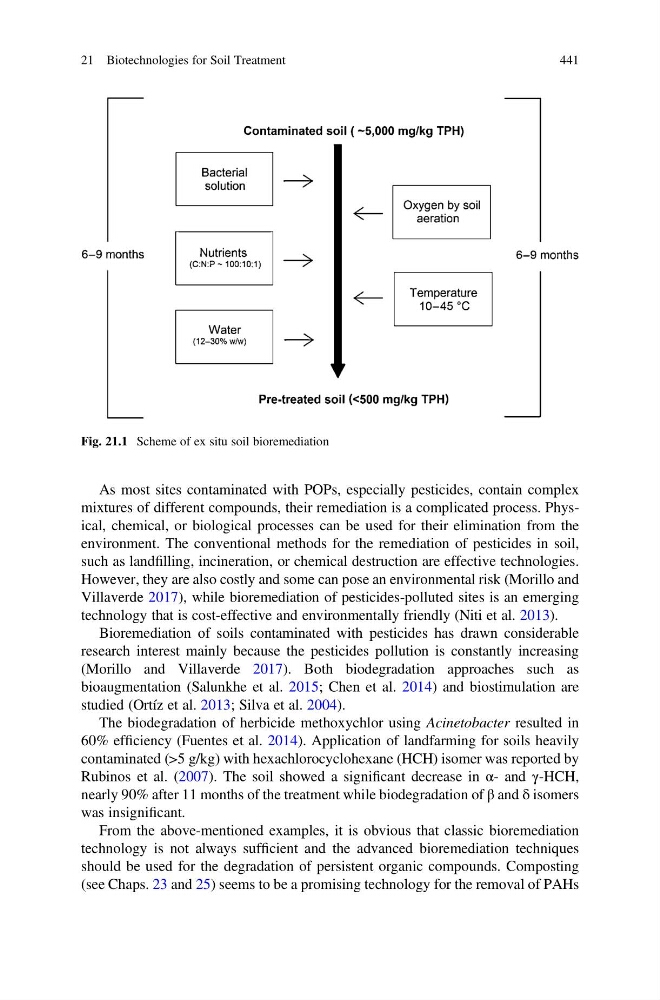
Fig. 21.1 Scheme of ex situ soil bioremediation
21 Biotechnologies for Soil Treatment
441
mixtures of different compounds, their remediation is a complicated process. Physical, chemical, or biological processes can be used for their elimination from the
environment. The conventional methods for the remediation of pesticides in soil,
such as landfilling, incineration, or chemical destruction are effective technologies.
However, they are also costly and some can pose an environmental risk (Morillo and
Villaverde 2017), while bioremediation of pesticides-polluted sites is an emerging
technology that is cost-effective and environmentally friendly (Niti et al. 2013).
Bioremediation of soils contaminated with pesticides has drawn considerable
research interest mainly because the pesticides pollution is constantly increasing
(Morillo and Villaverde 2017). Both biodegradation approaches such as
bioaugmentation (Salunkhe et al. 2015; Chen et al. 2014) and biostimulation are
studied (Ortíz et al. 2013; Silva et al. 2004).
The biodegradation of herbicide methoxychlor using Acinetobacter resulted in
60% efficiency (Fuentes et al. 2014). Application of landfarming for soils heavily
contaminated (>5 g/kg) with hexachlorocyclohexane (HCH) isomer was reported by
Rubinos et al. (2007). The soil showed a significant decrease in α- and γ-HCH,
nearly 90% after 11 months of the treatment while biodegradation of β and δ isomers
was insignificant.
From the above-mentioned examples, it is obvious that classic bioremediation
technology is not always sufficient and the advanced bioremediation techniques
should be used for the degradation of persistent organic compounds. Composting
(see Chaps. 23 and 25) seems to be a promising technology for the removal of PAHs
Fig. 21.1 Scheme of ex situ soil bioremediation
21 Biotechnologies for Soil Treatment
441