

242
Q. Lv et al.
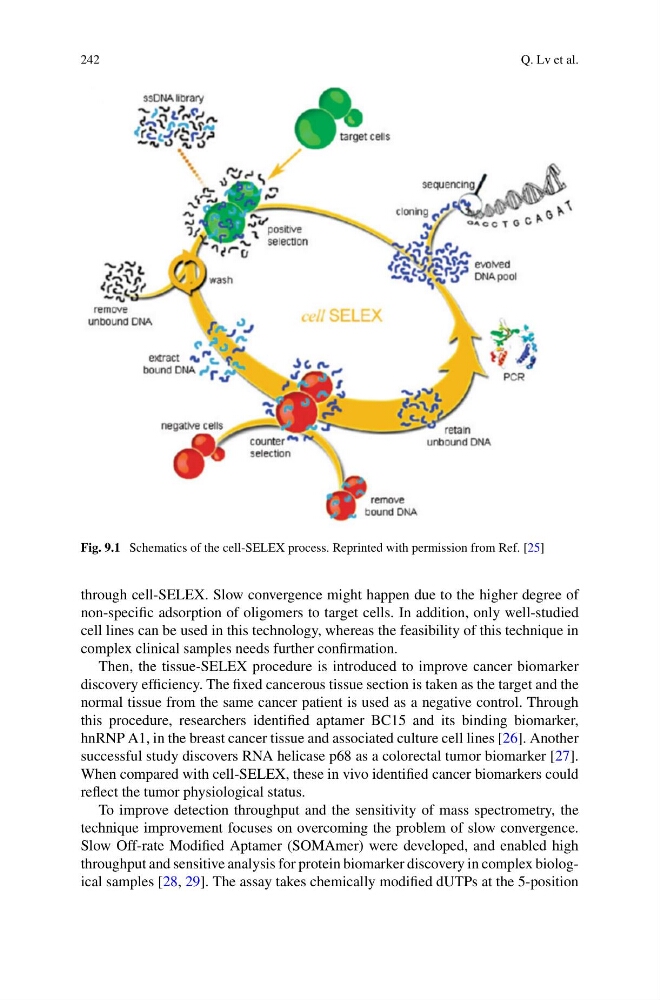
Fig. 9.1 Schematics of the cell-SELEX process. Reprinted with permission from Ref. [25]
through cell-SELEX. Slow convergence might happen due to the higher degree of
non-specific adsorption of oligomers to target cells. In addition, only well-studied
cell lines can be used in this technology, whereas the feasibility of this technique in
complex clinical samples needs further confirmation.
Then, the tissue-SELEX procedure is introduced to improve cancer biomarker
discovery efficiency. The fixed cancerous tissue section is taken as the target and the
normal tissue from the same cancer patient is used as a negative control. Through
this procedure, researchers identified aptamer BC15 and its binding biomarker,
hnRNP A1, in the breast cancer tissue and associated culture cell lines [26]. Another
successful study discovers RNA helicase p68 as a colorectal tumor biomarker [27].
When compared with cell-SELEX, these in vivo identified cancer biomarkers could
reflect the tumor physiological status.
To improve detection throughput and the sensitivity of mass spectrometry, the
technique improvement focuses on overcoming the problem of slow convergence.
Slow Off-rate Modified Aptamer (SOMAmer) were developed, and enabled high
throughput and sensitive analysis for protein biomarker discovery in complex biological samples [28, 29]. The assay takes chemically modified dUTPs at the 5-position
Q. Lv et al.
Fig. 9.1 Schematics of the cell-SELEX process. Reprinted with permission from Ref. [25]
through cell-SELEX. Slow convergence might happen due to the higher degree of
non-specific adsorption of oligomers to target cells. In addition, only well-studied
cell lines can be used in this technology, whereas the feasibility of this technique in
complex clinical samples needs further confirmation.
Then, the tissue-SELEX procedure is introduced to improve cancer biomarker
discovery efficiency. The fixed cancerous tissue section is taken as the target and the
normal tissue from the same cancer patient is used as a negative control. Through
this procedure, researchers identified aptamer BC15 and its binding biomarker,
hnRNP A1, in the breast cancer tissue and associated culture cell lines [26]. Another
successful study discovers RNA helicase p68 as a colorectal tumor biomarker [27].
When compared with cell-SELEX, these in vivo identified cancer biomarkers could
reflect the tumor physiological status.
To improve detection throughput and the sensitivity of mass spectrometry, the
technique improvement focuses on overcoming the problem of slow convergence.
Slow Off-rate Modified Aptamer (SOMAmer) were developed, and enabled high
throughput and sensitive analysis for protein biomarker discovery in complex biological samples [28, 29]. The assay takes chemically modified dUTPs at the 5-position