

144
G. Yang and Y. Huang
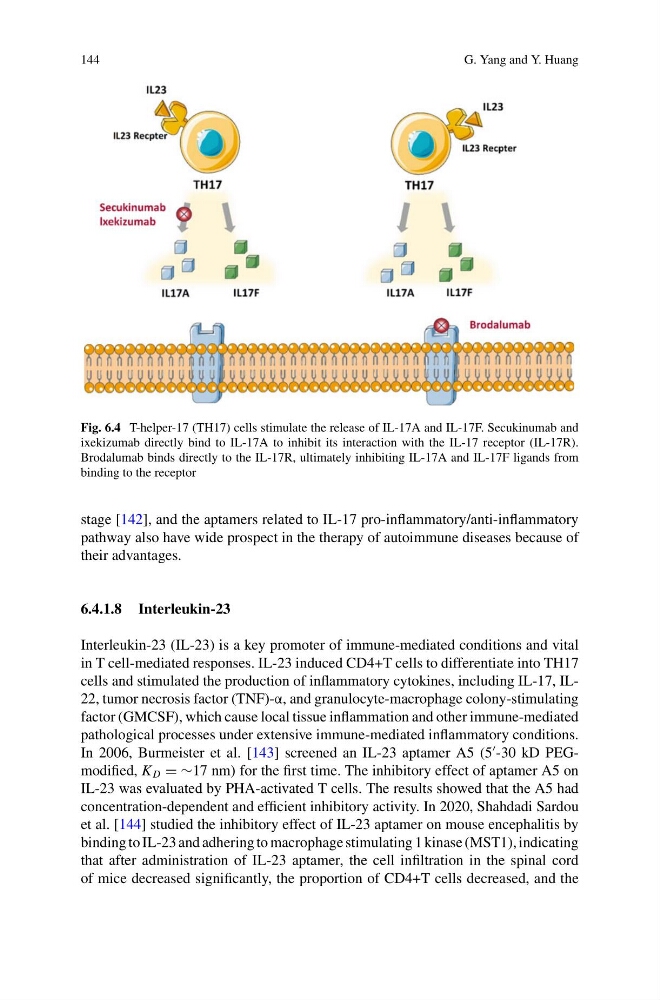
Fig. 6.4 T-helper-17 (TH17) cells stimulate the release of IL-17A and IL-17F. Secukinumab and
ixekizumab directly bind to IL-17A to inhibit its interaction with the IL-17 receptor (IL-17R).
Brodalumab binds directly to the IL-17R, ultimately inhibiting IL-17A and IL-17F ligands from
binding to the receptor
stage [142], and the aptamers related to IL-17 pro-inflammatory/anti-inflammatory
pathway also have wide prospect in the therapy of autoimmune diseases because of
their advantages.
6.4.1.8 Interleukin-23
Interleukin-23 (IL-23) is a key promoter of immune-mediated conditions and vital
in T cell-mediated responses. IL-23 induced CD4+T cells to differentiate into TH17
cells and stimulated the production of inflammatory cytokines, including IL-17, IL22, tumor necrosis factor (TNF)-α, and granulocyte-macrophage colony-stimulating
factor (GMCSF), which cause local tissue inflammation and other immune-mediated
pathological processes under extensive immune-mediated inflammatory conditions.
In 2006, Burmeister et al. [143] screened an IL-23 aptamer A5 (5
-30 kD PEGmodified, K D = ∼17 nm) for the first time. The inhibitory effect of aptamer A5 on
IL-23 was evaluated by PHA-activated T cells. The results showed that the A5 had
concentration-dependent and efficient inhibitory activity. In 2020, Shahdadi Sardou
et al. [144] studied the inhibitory effect of IL-23 aptamer on mouse encephalitis by
binding to IL-23 and adhering to macrophage stimulating 1 kinase (MST1), indicating
that after administration of IL-23 aptamer, the cell infiltration in the spinal cord
of mice decreased significantly, the proportion of CD4+T cells decreased, and the
G. Yang and Y. Huang
Fig. 6.4 T-helper-17 (TH17) cells stimulate the release of IL-17A and IL-17F. Secukinumab and
ixekizumab directly bind to IL-17A to inhibit its interaction with the IL-17 receptor (IL-17R).
Brodalumab binds directly to the IL-17R, ultimately inhibiting IL-17A and IL-17F ligands from
binding to the receptor
stage [142], and the aptamers related to IL-17 pro-inflammatory/anti-inflammatory
pathway also have wide prospect in the therapy of autoimmune diseases because of
their advantages.
6.4.1.8 Interleukin-23
Interleukin-23 (IL-23) is a key promoter of immune-mediated conditions and vital
in T cell-mediated responses. IL-23 induced CD4+T cells to differentiate into TH17
cells and stimulated the production of inflammatory cytokines, including IL-17, IL22, tumor necrosis factor (TNF)-α, and granulocyte-macrophage colony-stimulating
factor (GMCSF), which cause local tissue inflammation and other immune-mediated
pathological processes under extensive immune-mediated inflammatory conditions.
In 2006, Burmeister et al. [143] screened an IL-23 aptamer A5 (5
-30 kD PEGmodified, K D = ∼17 nm) for the first time. The inhibitory effect of aptamer A5 on
IL-23 was evaluated by PHA-activated T cells. The results showed that the A5 had
concentration-dependent and efficient inhibitory activity. In 2020, Shahdadi Sardou
et al. [144] studied the inhibitory effect of IL-23 aptamer on mouse encephalitis by
binding to IL-23 and adhering to macrophage stimulating 1 kinase (MST1), indicating
that after administration of IL-23 aptamer, the cell infiltration in the spinal cord
of mice decreased significantly, the proportion of CD4+T cells decreased, and the