

3. Bioinformatics tools used for TE annotation and small
RNA-seq data analyses: LTR_Harvest (GenomeTools version
!1.5.9) [51], SRA Toolkit version !2.9.2 (https://www.ncbi.
nlm.nih.gov/sra/docs/toolkitsoft/), Cutadapt version !1.18
[52], FastQC version !0.11.8 (http://www.bioinformatics.
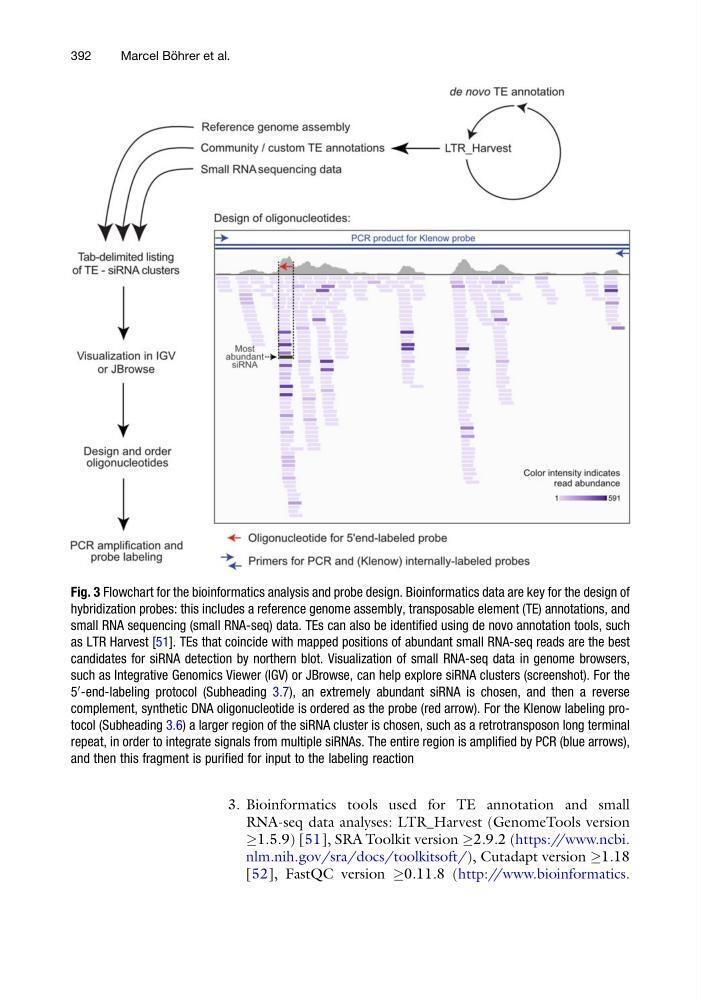
Fig. 3 Flowchart for the bioinformatics analysis and probe design. Bioinformatics data are key for the design of
hybridization probes: this includes a reference genome assembly, transposable element (TE) annotations, and
small RNA sequencing (small RNA-seq) data. TEs can also be identified using de novo annotation tools, such
as LTR Harvest [51]. TEs that coincide with mapped positions of abundant small RNA-seq reads are the best
candidates for siRNA detection by northern blot. Visualization of small RNA-seq data in genome browsers,
such as Integrative Genomics Viewer (IGV) or JBrowse, can help explore siRNA clusters (screenshot). For the
5
0 -end-labeling protocol (Subheading 3.7), an extremely abundant siRNA is chosen, and then a reverse
complement, synthetic DNA oligonucleotide is ordered as the probe (red arrow). For the Klenow labeling protocol (Subheading 3.6) a larger region of the siRNA cluster is chosen, such as a retrotransposon long terminal
repeat, in order to integrate signals from multiple siRNAs. The entire region is amplified by PCR (blue arrows),
and then this fragment is purified for input to the labeling reaction
392
Marcel Bo ¨ hrer et al.
RNA-seq data analyses: LTR_Harvest (GenomeTools version
!1.5.9) [51], SRA Toolkit version !2.9.2 (https://www.ncbi.
nlm.nih.gov/sra/docs/toolkitsoft/), Cutadapt version !1.18
[52], FastQC version !0.11.8 (http://www.bioinformatics.
Fig. 3 Flowchart for the bioinformatics analysis and probe design. Bioinformatics data are key for the design of
hybridization probes: this includes a reference genome assembly, transposable element (TE) annotations, and
small RNA sequencing (small RNA-seq) data. TEs can also be identified using de novo annotation tools, such
as LTR Harvest [51]. TEs that coincide with mapped positions of abundant small RNA-seq reads are the best
candidates for siRNA detection by northern blot. Visualization of small RNA-seq data in genome browsers,
such as Integrative Genomics Viewer (IGV) or JBrowse, can help explore siRNA clusters (screenshot). For the
5
0 -end-labeling protocol (Subheading 3.7), an extremely abundant siRNA is chosen, and then a reverse
complement, synthetic DNA oligonucleotide is ordered as the probe (red arrow). For the Klenow labeling protocol (Subheading 3.6) a larger region of the siRNA cluster is chosen, such as a retrotransposon long terminal
repeat, in order to integrate signals from multiple siRNAs. The entire region is amplified by PCR (blue arrows),
and then this fragment is purified for input to the labeling reaction
392
Marcel Bo ¨ hrer et al.