

MTSb, were custom-made by a genomics service provider.
They can be used simultaneously for dual-color labeling or
used, respectively, for single labeling. The two sgRNA
sequences are listed below (the spacer sequence is bold, MTS
is bold italicized, the stem sequence is italicized):
(a) SL2-sgTelo-MTSa targeting telomere (see Note 2):
GTTAGGGTTAGGGTTAGGGTTAGTTTGAGAGC
TATGCTGGAAACAGCATAGCAAGTTCAAATAAGG
CTAGTCCGTTATCAACTTGGCCCCGGAGCAGAA
CGACAGGAGTTGTGTTTGTGGACGAAGAGCCTG
CAGTCTGCTCCGGGGCCAGTGGCACCGAGTCGG
TGCTTTTTTT.
(b) SL2-sgSat-MTSb targeting centromere (see Note 2):
GAATCTGCAAGTGGATATTGTTTGAGAGCTATG
CTGGAAACAGCATAGCAAGTTCAAATAAGGCTAG
TCCGTTATCAACTTGGCCCCGGAGCAGAAGACG
TCACGACATCACTTACGCTGAGTAGCTGCAGTC
TGCTCCGGGGCCAGTGGCACCGAGTCGGTGCTT
TTTTT.
3. pEGFP-C1 (Clontech) and pmTagBFP2-C1 plasmid
(Evrogen).
2.2 Materials
for Cloning
1. Polymerase chain reaction (PCR) master mix (see Note 3).
2. A thermocycler.
3. An electrophoresis system.
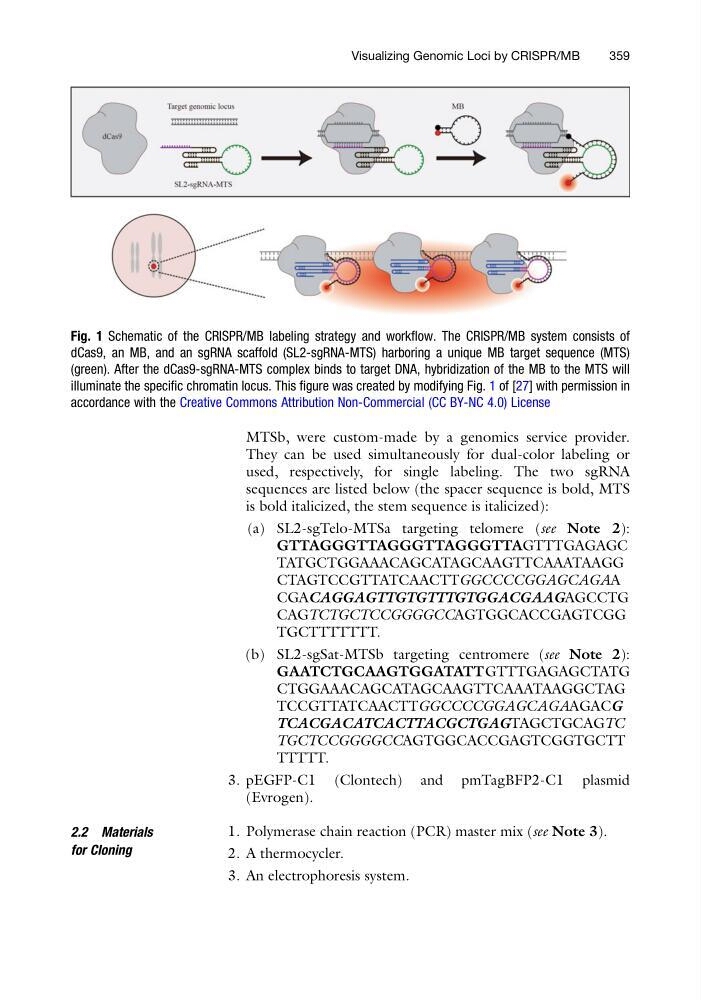
Fig. 1 Schematic of the CRISPR/MB labeling strategy and workflow. The CRISPR/MB system consists of
dCas9, an MB, and an sgRNA scaffold (SL2-sgRNA-MTS) harboring a unique MB target sequence (MTS)
(green). After the dCas9-sgRNA-MTS complex binds to target DNA, hybridization of the MB to the MTS will
illuminate the specific chromatin locus. This figure was created by modifying Fig. 1 of [27] with permission in
accordance with the Creative Commons Attribution Non-Commercial (CC BY-NC 4.0) License
Visualizing Genomic Loci by CRISPR/MB
359
They can be used simultaneously for dual-color labeling or
used, respectively, for single labeling. The two sgRNA
sequences are listed below (the spacer sequence is bold, MTS
is bold italicized, the stem sequence is italicized):
(a) SL2-sgTelo-MTSa targeting telomere (see Note 2):
GTTAGGGTTAGGGTTAGGGTTAGTTTGAGAGC
TATGCTGGAAACAGCATAGCAAGTTCAAATAAGG
CTAGTCCGTTATCAACTTGGCCCCGGAGCAGAA
CGACAGGAGTTGTGTTTGTGGACGAAGAGCCTG
CAGTCTGCTCCGGGGCCAGTGGCACCGAGTCGG
TGCTTTTTTT.
(b) SL2-sgSat-MTSb targeting centromere (see Note 2):
GAATCTGCAAGTGGATATTGTTTGAGAGCTATG
CTGGAAACAGCATAGCAAGTTCAAATAAGGCTAG
TCCGTTATCAACTTGGCCCCGGAGCAGAAGACG
TCACGACATCACTTACGCTGAGTAGCTGCAGTC
TGCTCCGGGGCCAGTGGCACCGAGTCGGTGCTT
TTTTT.
3. pEGFP-C1 (Clontech) and pmTagBFP2-C1 plasmid
(Evrogen).
2.2 Materials
for Cloning
1. Polymerase chain reaction (PCR) master mix (see Note 3).
2. A thermocycler.
3. An electrophoresis system.
Fig. 1 Schematic of the CRISPR/MB labeling strategy and workflow. The CRISPR/MB system consists of
dCas9, an MB, and an sgRNA scaffold (SL2-sgRNA-MTS) harboring a unique MB target sequence (MTS)
(green). After the dCas9-sgRNA-MTS complex binds to target DNA, hybridization of the MB to the MTS will
illuminate the specific chromatin locus. This figure was created by modifying Fig. 1 of [27] with permission in
accordance with the Creative Commons Attribution Non-Commercial (CC BY-NC 4.0) License
Visualizing Genomic Loci by CRISPR/MB
359