

173
Currently, there are no established techniques to recycle these devices, and
mechanical milling is the most common method employed. However, the best part
of valuable elements is concentrated in specific components of these devices. For
this reason, milling of these devices does not afford good recovery rates of these
elements.
For the Fraunhofer Institute, the removal of the most valuable components
enables a differentiated treatment, which in turn allows obtaining higher amounts of
recycled material. However, one of the difficulties in this process is a long time
required to extract components manually. For example, it has been estimated that
3–4 min is necessary to extract LEDs from notebooks. For TVs, this time was measured to be between 6 and 7 min. Therefore, mechanical disassembly processes are
very important concerning efficient recycling management.
The Fraunhofer Institute developed a program financed by the European
Commission to recycle elements in LEDs. The method consisted of the mechanical
separation of components without destroying LEDs (CEMPRE 2018). Initially, the
material is milled and segregated by electrical and hydraulic separation, which
enables to break the encapsulation without damaging the LED. Therefore, the components may be recycled individually, to maximum recovery. This technique may
also be used in the various LED devices. One of the aims of the program is to
improve the recycling of metals in production waste, increase the lifespan of products, minimize waste during manufacture, and promote ecological innovation. In
other words, the program aims not only to recycle devices at the end of their life
cycle but also to reduce production waste, using minimum amounts of elements to
the highest efficiency.
Although it is possible to recycle 98% of a LED device, many countries have not
taken any measures to recycle these products (CEMPRE 2018). However, studies
have been carried out to investigate the recycling of important elements, especially
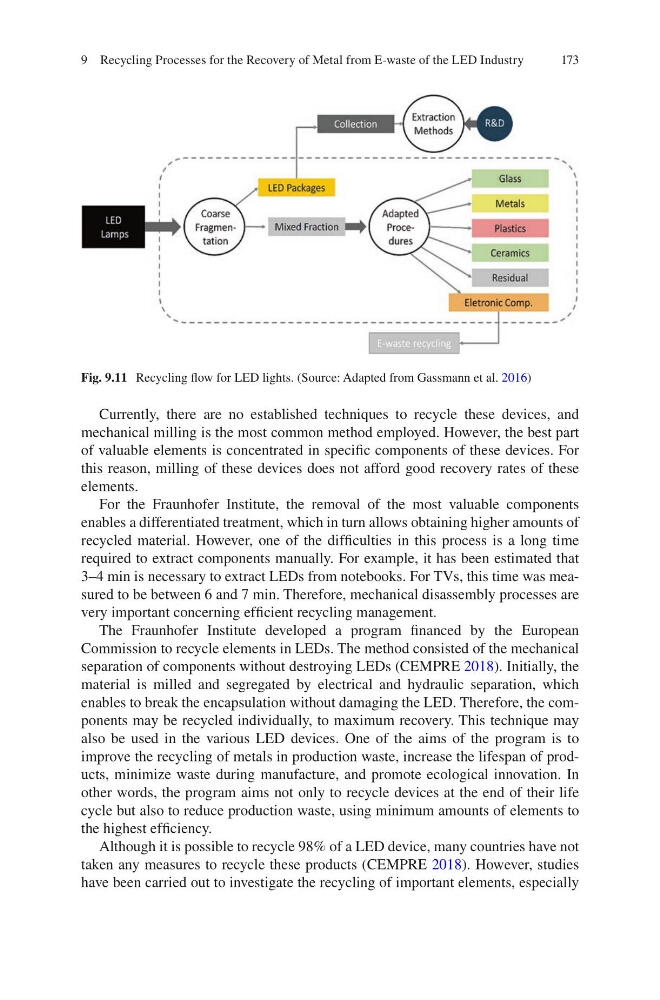
Fig. 9.11 Recycling flow for LED lights. (Source: Adapted from Gassmann et al. 2016)
9 Recycling Processes for the Recovery of Metal from E-waste of the LED Industry
Currently, there are no established techniques to recycle these devices, and
mechanical milling is the most common method employed. However, the best part
of valuable elements is concentrated in specific components of these devices. For
this reason, milling of these devices does not afford good recovery rates of these
elements.
For the Fraunhofer Institute, the removal of the most valuable components
enables a differentiated treatment, which in turn allows obtaining higher amounts of
recycled material. However, one of the difficulties in this process is a long time
required to extract components manually. For example, it has been estimated that
3–4 min is necessary to extract LEDs from notebooks. For TVs, this time was measured to be between 6 and 7 min. Therefore, mechanical disassembly processes are
very important concerning efficient recycling management.
The Fraunhofer Institute developed a program financed by the European
Commission to recycle elements in LEDs. The method consisted of the mechanical
separation of components without destroying LEDs (CEMPRE 2018). Initially, the
material is milled and segregated by electrical and hydraulic separation, which
enables to break the encapsulation without damaging the LED. Therefore, the components may be recycled individually, to maximum recovery. This technique may
also be used in the various LED devices. One of the aims of the program is to
improve the recycling of metals in production waste, increase the lifespan of products, minimize waste during manufacture, and promote ecological innovation. In
other words, the program aims not only to recycle devices at the end of their life
cycle but also to reduce production waste, using minimum amounts of elements to
the highest efficiency.
Although it is possible to recycle 98% of a LED device, many countries have not
taken any measures to recycle these products (CEMPRE 2018). However, studies
have been carried out to investigate the recycling of important elements, especially
Fig. 9.11 Recycling flow for LED lights. (Source: Adapted from Gassmann et al. 2016)
9 Recycling Processes for the Recovery of Metal from E-waste of the LED Industry